
How olive oil is pressed
Olive oil is the juice of the fruit, not a seed oil extracted with solvents. Crushing and separating are the whole craft.
Listen is a Plus feature Upgrade
Listening is not supported in this browser.
An olive is a small fruit with a stone. Its flesh is rich in oil. Harvest usually runs through autumn. Earlier fruit gives a greener, more bitter oil. Later fruit gives a milder, yellower one. The oil is already in the flesh. The mill’s job is to get it out.
Traditionally, stones crushed the olives to a paste. Modern mills use metal crushers. The paste is mixed slowly, a step called malaxation, so small droplets of oil join into larger ones that are easier to separate.
Fruit, not seed
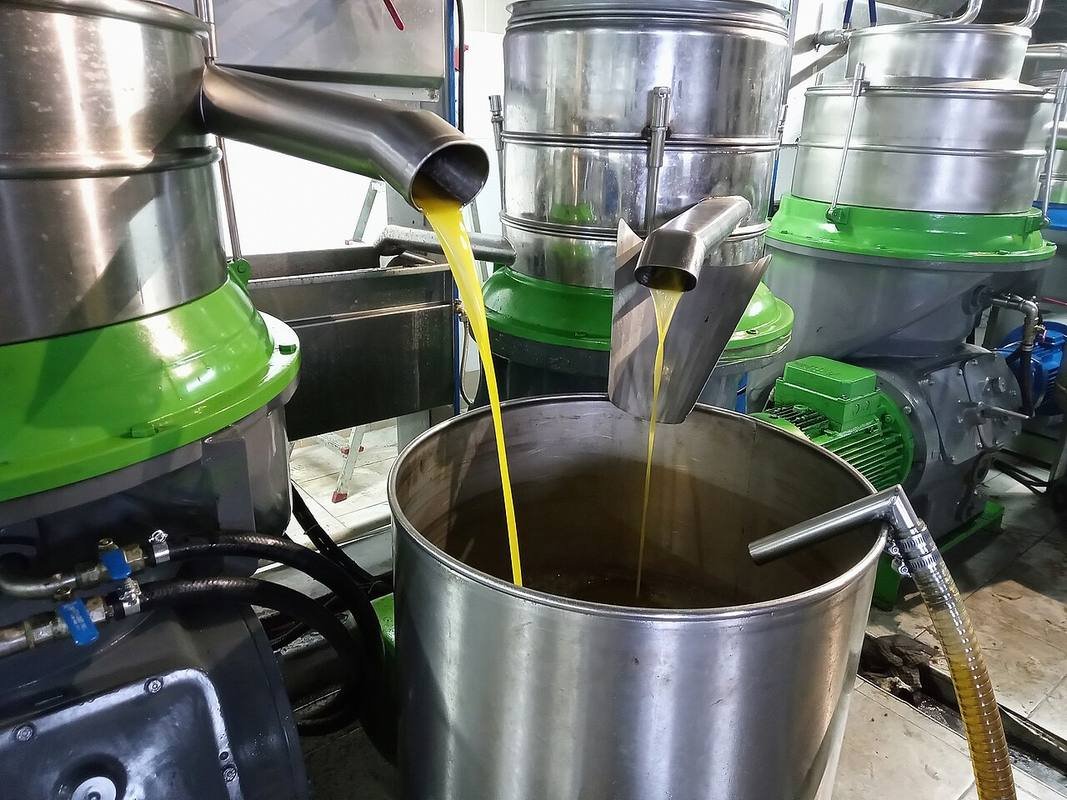
A press, or more often a centrifuge, then splits the paste into oil, water, and solids. Extra-virgin oil is this juice, from the first mechanical extraction, with no solvents and with low acidity and no flavour faults. The name is a grade, defined by rules, not a marketing mood.
Refined olive oil has been cleaned of strong flavours and of higher acidity, then sometimes blended back with virgin oil. It is milder and useful for frying. It is not the same product as a fresh, peppery extra virgin.
Grades on the label
Heat and light damage the oil. A dark bottle or a tin, kept cool, protects it. The peppery catch in the throat of a fresh oil comes from phenolic compounds in the fruit. They fade as the oil ages.
‘Cold pressed’ means the paste was not heated hard during extraction. Warmth would free more oil and cost freshness. The phrase on a label is only meaningful next to the grade.
Fruit, not seed
Olive oil is the juice of the fruit, not a seed oil extracted with solvents. Crushing and separating are the whole craft. An olive is a small fruit with a stone. Its flesh is rich in oil.
Put those two statements side by side. The first sets the condition. The second says what happens once that condition is met. How olive oil is pressed needs both. Drop the first and the second has nothing to explain. Drop the second and the first is only the scene.
Grades on the label
Its flesh is rich in oil. Harvest usually runs through autumn.
The order is the explanation. What the first sentence names has to be there before the result in the second sentence can show up. The piece does not ask you to accept the result first and hunt for a cause afterwards.
A check you can make
Harvest usually runs through autumn. Earlier fruit gives a greener, more bitter oil.
A fair check is sequential. Confirm the first statement. Then see whether the second is the result of it, rather than a separate fact parked in the same piece. If the result shows up without the condition, this account does not cover what you are looking at.
The limit of the claim
Earlier fruit gives a greener, more bitter oil. Later fruit gives a milder, yellower one.
The two statements do different jobs. One says what is there, what it is made of, or what acts on it. The other says the change that follows. The title names the change. It is not an inventory of parts.
The same steps, in order
Later fruit gives a milder, yellower one. The oil is already in the flesh.
Nothing in the second statement cancels the first. It carries the first forward or marks the limit of it. Remember only the result, and the cause goes missing. Remember only the cause, and you will not know what the piece says happens next.
Why the order matters
The oil is already in the flesh. The mill’s job is to get it out.
Read them as one path. Start at the first full stop and do not skip to the outcome. The words between the two statements are the mechanism. The title is the name of that path, not a second claim.
Condition, then outcome
The mill’s job is to get it out. Traditionally, stones crushed the olives to a paste.
The first statement can be true and still not finish the job. The second statement is the job finishing. Hold both, and the paragraph above stops being a list. It becomes the reason the title is worded as it is.
What the title is naming
Traditionally, stones crushed the olives to a paste. Modern mills use metal crushers.
If you wanted a shorter version, it would be those two sentences and nothing else. Everything added around them is there so the dependence is obvious: the second does not happen unless the first has happened.
What has to come first
Modern mills use metal crushers. The paste is mixed slowly, a step called malaxation, so small droplets of oil join into larger ones that are easier to separate.
Put those two statements side by side. The first sets the condition. The second says what happens once that condition is met. How olive oil is pressed needs both. Drop the first and the second has nothing to explain. Drop the second and the first is only the scene.
The result that follows
The paste is mixed slowly, a step called malaxation, so small droplets of oil join into larger ones that are easier to separate. A press, or more often a centrifuge, then splits the paste into oil, water, and solids.
The order is the explanation. What the first sentence names has to be there before the result in the second sentence can show up. The piece does not ask you to accept the result first and hunt for a cause afterwards.
No correction has been appended to this story. If a line is wrong, tell the newsroom.