
How tea is made
Black, green, and oolong tea can come from the same plant. The difference is how the leaf is handled after picking.
Listen is a Plus feature Upgrade
Listening is not supported in this browser.
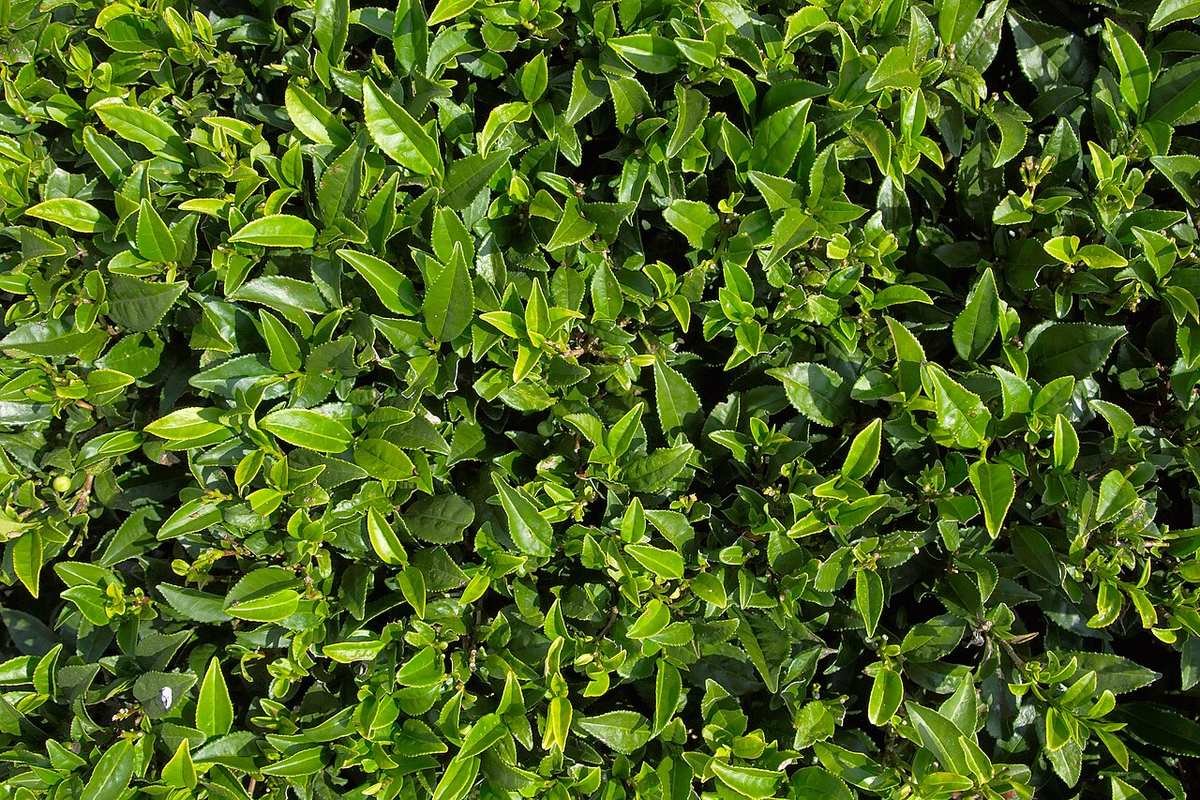
Tea is the leaf of Camellia sinensis, grown in warm, wet hills from China and Japan to India, Kenya, and Sri Lanka. A bud and the youngest leaves make the finer grades. Older leaves make stronger, coarser tea.
Fresh leaves are laid out to wither so they lose some water and go limp. For green tea they are then heated quickly, by pan or steam, which stops the enzymes. The leaf stays green. It is rolled and dried.
One plant, several paths
For black tea the withered leaf is rolled or crushed so enzymes meet the compounds inside the cells. The leaf is then left to oxidise. It darkens, and the familiar brisk flavour develops. Heat at the end stops the process and dries the leaf.
Oolong sits between the two. The leaf is bruised and partly oxidised, then heated before it goes all the way to black. White tea is the least handled: buds and young leaves, dried with little rolling.
In the cup
In the pot, hot water pulls caffeine, tannins, and aromatic oils out of the dry leaf. Boiling water suits black tea. Cooler water is kinder to green tea, which turns bitter if it is scalded. The same leaf can taste harsh or gentle depending on the water.
Tea bags hold smaller particles, so they brew faster. Loose leaf, with more room to unfurl, often tastes cleaner. Milk, lemon, and sugar are habits of the cup, not part of the leaf.
One plant, several paths
Black, green, and oolong tea can come from the same plant. The difference is how the leaf is handled after picking. Tea is the leaf of Camellia sinensis, grown in warm, wet hills from China and Japan to India, Kenya, and Sri Lanka. A bud and the youngest leaves make the finer grades.
Put those two statements side by side. The first sets the condition. The second says what happens once that condition is met. How tea is made needs both. Drop the first and the second has nothing to explain. Drop the second and the first is only the scene.
In the cup
A bud and the youngest leaves make the finer grades. Older leaves make stronger, coarser tea.
The order is the explanation. What the first sentence names has to be there before the result in the second sentence can show up. The piece does not ask you to accept the result first and hunt for a cause afterwards.
A check you can make
Older leaves make stronger, coarser tea. Fresh leaves are laid out to wither so they lose some water and go limp.
A fair check is sequential. Confirm the first statement. Then see whether the second is the result of it, rather than a separate fact parked in the same piece. If the result shows up without the condition, this account does not cover what you are looking at.
The limit of the claim
Fresh leaves are laid out to wither so they lose some water and go limp. For green tea they are then heated quickly, by pan or steam, which stops the enzymes.
The two statements do different jobs. One says what is there, what it is made of, or what acts on it. The other says the change that follows. The title names the change. It is not an inventory of parts.
The same steps, in order
For green tea they are then heated quickly, by pan or steam, which stops the enzymes. The leaf stays green.
Nothing in the second statement cancels the first. It carries the first forward or marks the limit of it. Remember only the result, and the cause goes missing. Remember only the cause, and you will not know what the piece says happens next.
Why the order matters
The leaf stays green. It is rolled and dried.
Read them as one path. Start at the first full stop and do not skip to the outcome. The words between the two statements are the mechanism. The title is the name of that path, not a second claim.
Condition, then outcome
It is rolled and dried. For black tea the withered leaf is rolled or crushed so enzymes meet the compounds inside the cells.
The first statement can be true and still not finish the job. The second statement is the job finishing. Hold both, and the paragraph above stops being a list. It becomes the reason the title is worded as it is.
What the title is naming
For black tea the withered leaf is rolled or crushed so enzymes meet the compounds inside the cells. The leaf is then left to oxidise.
If you wanted a shorter version, it would be those two sentences and nothing else. Everything added around them is there so the dependence is obvious: the second does not happen unless the first has happened.
What has to come first
The leaf is then left to oxidise. It darkens, and the familiar brisk flavour develops.
Put those two statements side by side. The first sets the condition. The second says what happens once that condition is met. How tea is made needs both. Drop the first and the second has nothing to explain. Drop the second and the first is only the scene.
The result that follows
It darkens, and the familiar brisk flavour develops. Heat at the end stops the process and dries the leaf.
The order is the explanation. What the first sentence names has to be there before the result in the second sentence can show up. The piece does not ask you to accept the result first and hunt for a cause afterwards.
No correction has been appended to this story. If a line is wrong, tell the newsroom.