
Why chillies feel hot
The burn of a chilli is not heat from the stove. It is a chemical that switches on the same nerves that notice real heat.
Listen is a Plus feature Upgrade
Listening is not supported in this browser.
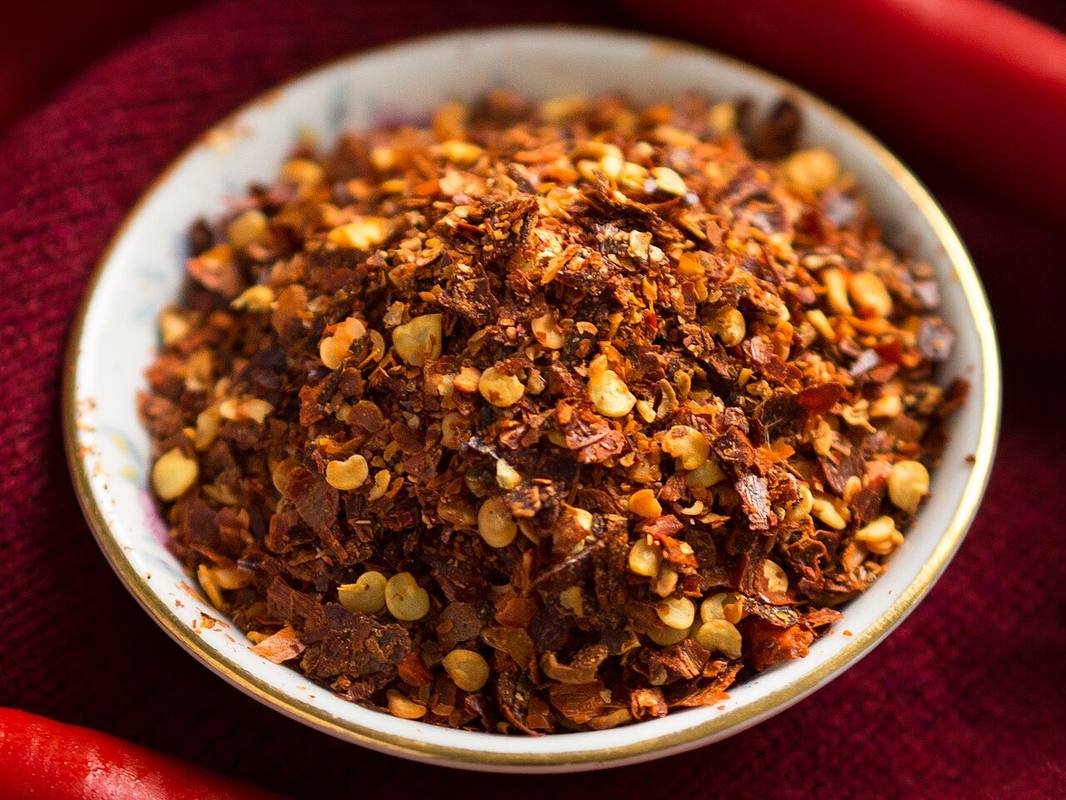
Chillies contain capsaicin, mostly in the white pith that holds the seeds, and to a lesser extent in the flesh. The seeds feel hot because they sit against that pith. The compound is the plant’s defence against mammals.
Capsaicin fits a receptor on nerve endings in the mouth, the same receptor that fires when something is physically hot, above about the temperature of a hot drink. The brain reads the signal as burning. There is no rise in temperature. A thermometer in the mouth would not climb.
A trick on the nerves
Birds do not have the same response, which is handy for the plant. Birds eat the fruit and scatter the seeds. Mammals, who would grind the seeds up, are discouraged. The human habit of enjoying the burn is a later choice.
Water spreads capsaicin around without dissolving it, because the molecule prefers fat and alcohol to water. Milk works better. Casein, the milk protein, surrounds the capsaicin and washes it off the receptors. Yoghurt and other dairy do the same job.
Why water barely helps
The Scoville scale, an old taste test later backed by chemical measurement, ranks chillies by how much the extract must be diluted before the burn disappears. A sweet pepper sits at the bottom. Some cultivated chillies sit far above.
Cooking does not destroy capsaicin easily. It can mellow a dish by spreading the compound through oil and other ingredients, but the chemistry is still there. Sugar, acid, and fat all change how the burn feels.
A trick on the nerves
The burn of a chilli is not heat from the stove. It is a chemical that switches on the same nerves that notice real heat. Chillies contain capsaicin, mostly in the white pith that holds the seeds, and to a lesser extent in the flesh. The seeds feel hot because they sit against that pith.
Put those two statements side by side. The first sets the condition. The second says what happens once that condition is met. Why chillies feel hot needs both. Drop the first and the second has nothing to explain. Drop the second and the first is only the scene.
Why water barely helps
The seeds feel hot because they sit against that pith. The compound is the plant’s defence against mammals.
The order is the explanation. What the first sentence names has to be there before the result in the second sentence can show up. The piece does not ask you to accept the result first and hunt for a cause afterwards.
A check you can make
The compound is the plant’s defence against mammals. Capsaicin fits a receptor on nerve endings in the mouth, the same receptor that fires when something is physically hot, above about the temperature of a hot drink.
A fair check is sequential. Confirm the first statement. Then see whether the second is the result of it, rather than a separate fact parked in the same piece. If the result shows up without the condition, this account does not cover what you are looking at.
The limit of the claim
Capsaicin fits a receptor on nerve endings in the mouth, the same receptor that fires when something is physically hot, above about the temperature of a hot drink. The brain reads the signal as burning.
The two statements do different jobs. One says what is there, what it is made of, or what acts on it. The other says the change that follows. The title names the change. It is not an inventory of parts.
The same steps, in order
The brain reads the signal as burning. There is no rise in temperature.
Nothing in the second statement cancels the first. It carries the first forward or marks the limit of it. Remember only the result, and the cause goes missing. Remember only the cause, and you will not know what the piece says happens next.
Why the order matters
There is no rise in temperature. A thermometer in the mouth would not climb.
Read them as one path. Start at the first full stop and do not skip to the outcome. The words between the two statements are the mechanism. The title is the name of that path, not a second claim.
Condition, then outcome
A thermometer in the mouth would not climb. Birds do not have the same response, which is handy for the plant.
The first statement can be true and still not finish the job. The second statement is the job finishing. Hold both, and the paragraph above stops being a list. It becomes the reason the title is worded as it is.
What the title is naming
Birds do not have the same response, which is handy for the plant. Birds eat the fruit and scatter the seeds.
If you wanted a shorter version, it would be those two sentences and nothing else. Everything added around them is there so the dependence is obvious: the second does not happen unless the first has happened.
What has to come first
Birds eat the fruit and scatter the seeds. Mammals, who would grind the seeds up, are discouraged.
Put those two statements side by side. The first sets the condition. The second says what happens once that condition is met. Why chillies feel hot needs both. Drop the first and the second has nothing to explain. Drop the second and the first is only the scene.
No correction has been appended to this story. If a line is wrong, tell the newsroom.