
Why milk sours
Milk sours when bacteria turn its lactose sugar into lactic acid. The acid makes the milk taste sharp and thicken.
Listen is a Plus feature Upgrade
Listening is not supported in this browser.
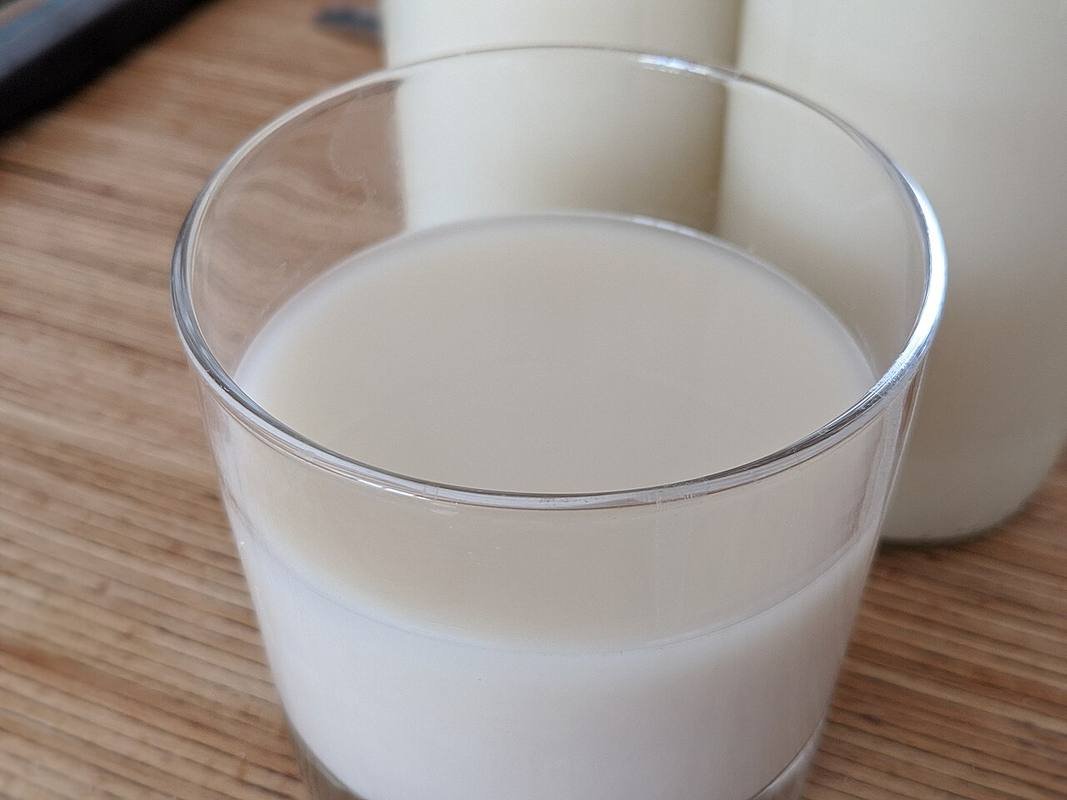
Fresh milk contains lactose, a sugar, and proteins that are dispersed in the water. Left warm, it does not stay as it was. Bacteria already present, or arriving from the air and from equipment, begin to feed.
Lactic acid bacteria are the usual souring agents. They consume lactose and produce lactic acid. As the acid builds, the flavour turns sharp. That sharpness is the sour taste.
The sugar in milk
The same acid changes the proteins. Casein, the main protein, stays suspended in fresh milk and clumps as the liquid becomes more acidic. The milk thickens and can separate into curds and whey.
A fridge slows the bacteria. It does not remove them. Pasteurisation kills many of the microbes that were in the raw milk, which is why pasteurised milk lasts longer than raw milk, but it is not sterile. New bacteria can still arrive once the bottle is open.
When souring is useful
Souring is also how yoghurt, cheese, and buttermilk begin. A chosen culture of bacteria produces the acid on purpose, and the curd is then set, cut, or churned. The chemistry is the same as the milk that went off in the larder. The microbe is selected.
Bitter or gassy spoilage can be a different set of microbes, not the clean lactic souring. A sharp smell and a thick texture are the lactic path. A rotten smell is a reason to throw the milk away.
The sugar in milk
Milk sours when bacteria turn its lactose sugar into lactic acid. The acid makes the milk taste sharp and thicken. Fresh milk contains lactose, a sugar, and proteins that are dispersed in the water. Left warm, it does not stay as it was.
Put those two statements side by side. The first sets the condition. The second says what happens once that condition is met. Why milk sours needs both. Drop the first and the second has nothing to explain. Drop the second and the first is only the scene.
When souring is useful
Left warm, it does not stay as it was. Bacteria already present, or arriving from the air and from equipment, begin to feed.
The order is the explanation. What the first sentence names has to be there before the result in the second sentence can show up. The piece does not ask you to accept the result first and hunt for a cause afterwards.
A check you can make
Bacteria already present, or arriving from the air and from equipment, begin to feed. Lactic acid bacteria are the usual souring agents.
A fair check is sequential. Confirm the first statement. Then see whether the second is the result of it, rather than a separate fact parked in the same piece. If the result shows up without the condition, this account does not cover what you are looking at.
The limit of the claim
Lactic acid bacteria are the usual souring agents. They consume lactose and produce lactic acid.
The two statements do different jobs. One says what is there, what it is made of, or what acts on it. The other says the change that follows. The title names the change. It is not an inventory of parts.
The same steps, in order
They consume lactose and produce lactic acid. As the acid builds, the flavour turns sharp.
Nothing in the second statement cancels the first. It carries the first forward or marks the limit of it. Remember only the result, and the cause goes missing. Remember only the cause, and you will not know what the piece says happens next.
Why the order matters
As the acid builds, the flavour turns sharp. That sharpness is the sour taste.
Read them as one path. Start at the first full stop and do not skip to the outcome. The words between the two statements are the mechanism. The title is the name of that path, not a second claim.
Condition, then outcome
That sharpness is the sour taste. The same acid changes the proteins.
The first statement can be true and still not finish the job. The second statement is the job finishing. Hold both, and the paragraph above stops being a list. It becomes the reason the title is worded as it is.
What the title is naming
The same acid changes the proteins. Casein, the main protein, stays suspended in fresh milk and clumps as the liquid becomes more acidic.
If you wanted a shorter version, it would be those two sentences and nothing else. Everything added around them is there so the dependence is obvious: the second does not happen unless the first has happened.
What has to come first
Casein, the main protein, stays suspended in fresh milk and clumps as the liquid becomes more acidic. The milk thickens and can separate into curds and whey.
Put those two statements side by side. The first sets the condition. The second says what happens once that condition is met. Why milk sours needs both. Drop the first and the second has nothing to explain. Drop the second and the first is only the scene.
The result that follows
The milk thickens and can separate into curds and whey. A fridge slows the bacteria.
The order is the explanation. What the first sentence names has to be there before the result in the second sentence can show up. The piece does not ask you to accept the result first and hunt for a cause afterwards.
No correction has been appended to this story. If a line is wrong, tell the newsroom.