
How hearing works
The ear turns waves in the air into nerve signals. Three parts of the ear each do a different job.
Listen is a Plus feature Upgrade
Listening is not supported in this browser.
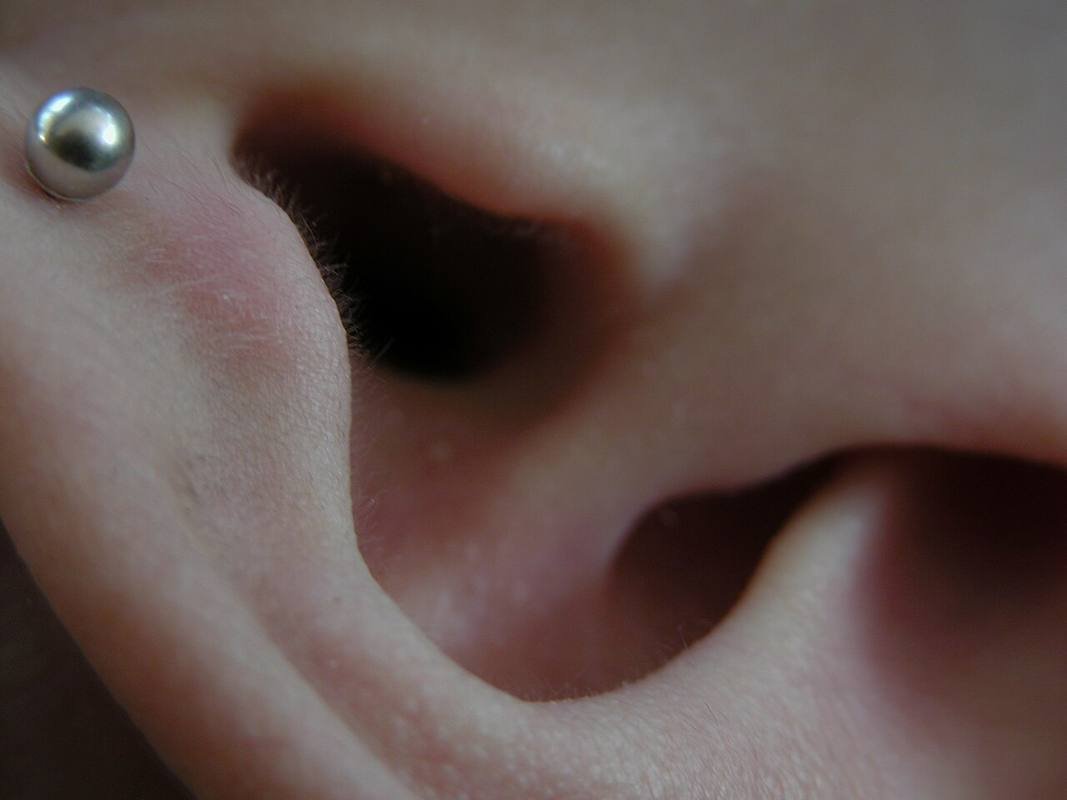
Sound is a pressure wave. The outer ear, the part you can see, funnels it into the ear canal. The canal ends at the eardrum, a thin membrane that vibrates when the wave arrives.
Behind the eardrum is the middle ear, an air-filled space. Three tiny bones — the hammer, anvil, and stirrup — pass the vibration across to the inner ear. They also amplify it. A small tube to the throat, the Eustachian tube, lets air pressure equalise, which is why swallowing can help on a plane.
Outer, middle, and inner
The inner ear holds the cochlea, a fluid-filled spiral. The stirrup pushes on a window into that fluid. Hair cells along the spiral bend as the fluid moves. Different places along the spiral respond best to different pitches, high near the base and low toward the tip.
Those hair cells trigger the auditory nerve. The nerve carries the pattern to the brain, which sorts it into voices, music, and noise. The ear gathers the vibration. The brain does the recognising.
From vibration to nerve
The same inner ear holds the semicircular canals, which sense turning of the head, and chambers that sense tilt. Balance and hearing share a neighbourhood. They are not the same sense.
Very loud sound can damage hair cells. They do not grow back in the way skin does. Turning down the volume, and giving ears quiet, is the everyday care that follows from that anatomy.
Outer, middle, and inner
The ear turns waves in the air into nerve signals. Three parts of the ear each do a different job. Sound is a pressure wave. The outer ear, the part you can see, funnels it into the ear canal.
Put those two statements side by side. The first sets the condition. The second says what happens once that condition is met. How hearing works needs both. Drop the first and the second has nothing to explain. Drop the second and the first is only the scene.
From vibration to nerve
The outer ear, the part you can see, funnels it into the ear canal. The canal ends at the eardrum, a thin membrane that vibrates when the wave arrives.
The order is the explanation. What the first sentence names has to be there before the result in the second sentence can show up. The piece does not ask you to accept the result first and hunt for a cause afterwards.
A check you can make
The canal ends at the eardrum, a thin membrane that vibrates when the wave arrives. Behind the eardrum is the middle ear, an air-filled space.
A fair check is sequential. Confirm the first statement. Then see whether the second is the result of it, rather than a separate fact parked in the same piece. If the result shows up without the condition, this account does not cover what you are looking at.
The limit of the claim
Behind the eardrum is the middle ear, an air-filled space. Three tiny bones — the hammer, anvil, and stirrup — pass the vibration across to the inner ear.
The two statements do different jobs. One says what is there, what it is made of, or what acts on it. The other says the change that follows. The title names the change. It is not an inventory of parts.
The same steps, in order
Three tiny bones — the hammer, anvil, and stirrup — pass the vibration across to the inner ear. They also amplify it.
Nothing in the second statement cancels the first. It carries the first forward or marks the limit of it. Remember only the result, and the cause goes missing. Remember only the cause, and you will not know what the piece says happens next.
Why the order matters
They also amplify it. A small tube to the throat, the Eustachian tube, lets air pressure equalise, which is why swallowing can help on a plane.
Read them as one path. Start at the first full stop and do not skip to the outcome. The words between the two statements are the mechanism. The title is the name of that path, not a second claim.
Condition, then outcome
A small tube to the throat, the Eustachian tube, lets air pressure equalise, which is why swallowing can help on a plane. The inner ear holds the cochlea, a fluid-filled spiral.
The first statement can be true and still not finish the job. The second statement is the job finishing. Hold both, and the paragraph above stops being a list. It becomes the reason the title is worded as it is.
What the title is naming
The inner ear holds the cochlea, a fluid-filled spiral. The stirrup pushes on a window into that fluid.
If you wanted a shorter version, it would be those two sentences and nothing else. Everything added around them is there so the dependence is obvious: the second does not happen unless the first has happened.
What has to come first
The stirrup pushes on a window into that fluid. Hair cells along the spiral bend as the fluid moves.
Put those two statements side by side. The first sets the condition. The second says what happens once that condition is met. How hearing works needs both. Drop the first and the second has nothing to explain. Drop the second and the first is only the scene.
No correction has been appended to this story. If a line is wrong, tell the newsroom.