
How skin protects the body
Skin is a barrier, a sense organ, and a temperature control. It is an organ in its own right, the largest you have.
Listen is a Plus feature Upgrade
Listening is not supported in this browser.
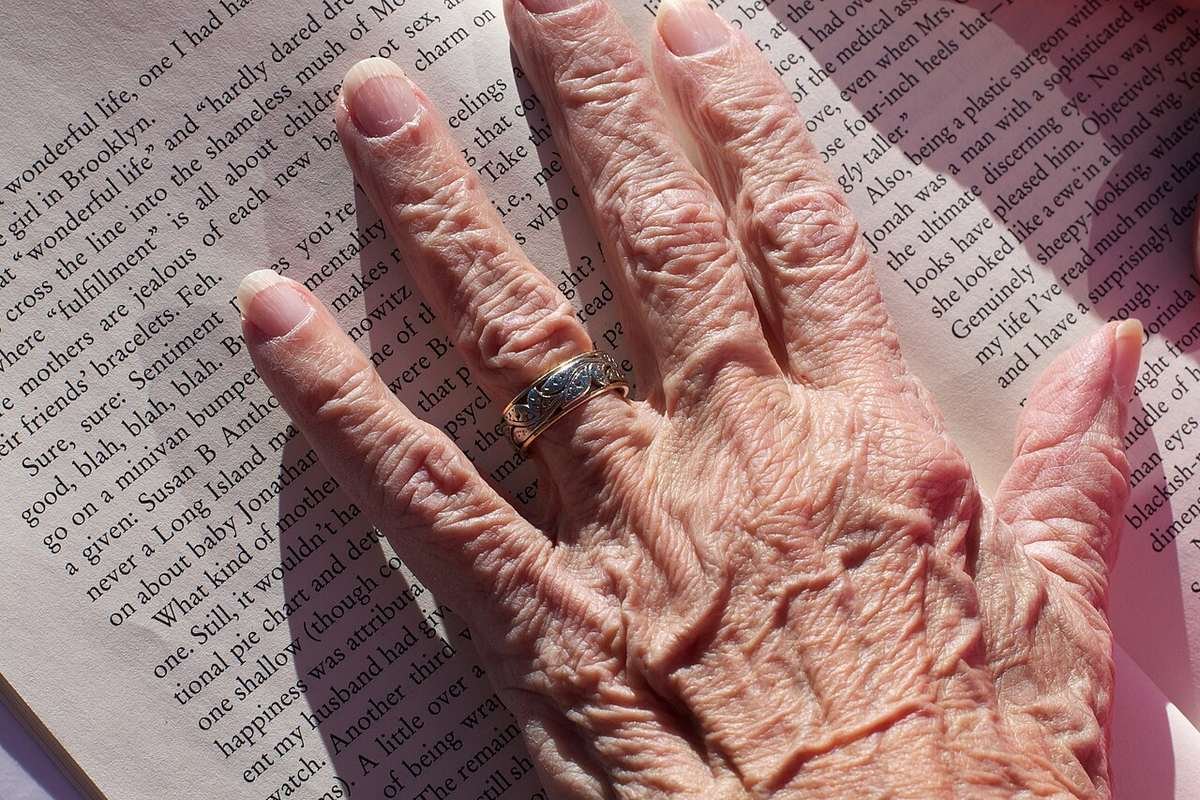
The outer layer, the epidermis, is a stack of cells. The ones at the bottom divide. As cells move up they fill with keratin, a tough protein, and die, forming the surface you can see. That dead layer flakes away and is replaced.
Under it, the dermis holds blood vessels, nerves, sweat glands, oil glands, and hair follicles, all in a mesh of collagen. The dermis is what gives skin its strength. Fingerprints are ridges in this architecture, unique because of how the skin grew before birth.
Layers
A fatty layer beneath, the hypodermis, cushions and insulates. It is not a flaw. It is part of the organ’s padding.
Sweat glands release water onto the surface. As it evaporates it takes heat with it, which is how the body cools in warm weather or during work. Blood vessels in the dermis widen to shed heat and narrow to keep it. Goosebumps are a leftover of fur: tiny muscles pull hairs upright.
More than a cover
Nerve endings report touch, pressure, pain, heat, and cold. Skin is how you know the world is in contact with you. It also keeps many microbes out, as long as it is intact. A cut is a breach in that wall, which is why cleaning it matters.
Melanin, a pigment made in the epidermis, absorbs some ultraviolet light. More melanin means a darker skin and more of that filtering. It is not a complete shield. Shade and covering still matter in strong sun.
Layers
Skin is a barrier, a sense organ, and a temperature control. It is an organ in its own right, the largest you have. The outer layer, the epidermis, is a stack of cells. The ones at the bottom divide.
Put those two statements side by side. The first sets the condition. The second says what happens once that condition is met. How skin protects the body needs both. Drop the first and the second has nothing to explain. Drop the second and the first is only the scene.
More than a cover
The ones at the bottom divide. As cells move up they fill with keratin, a tough protein, and die, forming the surface you can see.
The order is the explanation. What the first sentence names has to be there before the result in the second sentence can show up. The piece does not ask you to accept the result first and hunt for a cause afterwards.
A check you can make
As cells move up they fill with keratin, a tough protein, and die, forming the surface you can see. That dead layer flakes away and is replaced.
A fair check is sequential. Confirm the first statement. Then see whether the second is the result of it, rather than a separate fact parked in the same piece. If the result shows up without the condition, this account does not cover what you are looking at.
The limit of the claim
That dead layer flakes away and is replaced. Under it, the dermis holds blood vessels, nerves, sweat glands, oil glands, and hair follicles, all in a mesh of collagen.
The two statements do different jobs. One says what is there, what it is made of, or what acts on it. The other says the change that follows. The title names the change. It is not an inventory of parts.
The same steps, in order
Under it, the dermis holds blood vessels, nerves, sweat glands, oil glands, and hair follicles, all in a mesh of collagen. The dermis is what gives skin its strength.
Nothing in the second statement cancels the first. It carries the first forward or marks the limit of it. Remember only the result, and the cause goes missing. Remember only the cause, and you will not know what the piece says happens next.
Why the order matters
The dermis is what gives skin its strength. Fingerprints are ridges in this architecture, unique because of how the skin grew before birth.
Read them as one path. Start at the first full stop and do not skip to the outcome. The words between the two statements are the mechanism. The title is the name of that path, not a second claim.
Condition, then outcome
Fingerprints are ridges in this architecture, unique because of how the skin grew before birth. A fatty layer beneath, the hypodermis, cushions and insulates.
The first statement can be true and still not finish the job. The second statement is the job finishing. Hold both, and the paragraph above stops being a list. It becomes the reason the title is worded as it is.
What the title is naming
A fatty layer beneath, the hypodermis, cushions and insulates. It is not a flaw.
If you wanted a shorter version, it would be those two sentences and nothing else. Everything added around them is there so the dependence is obvious: the second does not happen unless the first has happened.
What has to come first
It is not a flaw. It is part of the organ’s padding.
Put those two statements side by side. The first sets the condition. The second says what happens once that condition is met. How skin protects the body needs both. Drop the first and the second has nothing to explain. Drop the second and the first is only the scene.
No correction has been appended to this story. If a line is wrong, tell the newsroom.