
How the penny post worked
In 1840 Britain started charging a single low rate for an inland letter, paid by the sender with a stamp. Before that, the person who received the letter often paid, and the sum depended on the distance.
Listen is a Plus feature Upgrade
Listening is not supported in this browser.
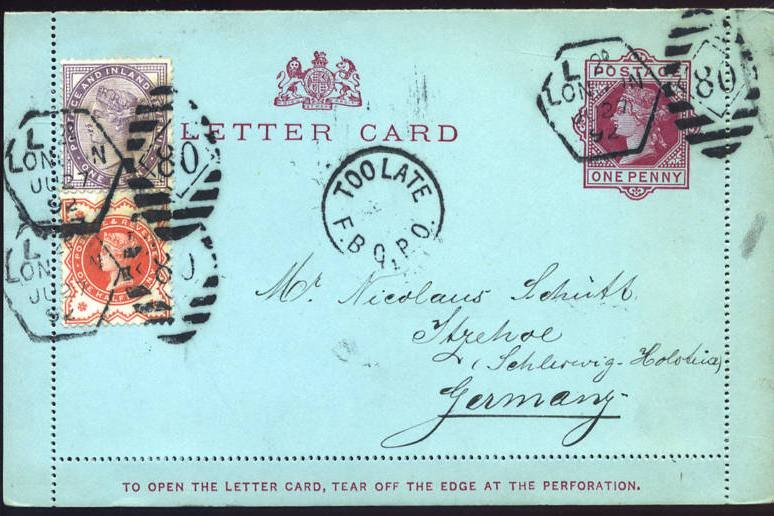
Eighteenth-century and early nineteenth-century postage was a tangle. A letter was charged by how far it went and by how many sheets it contained. The charge was commonly collected from the recipient. If they refused it, the letter had travelled for nothing, and the sender had no way to know.
Reformers argued for a simple prepaid rate, low enough that people would actually use it, and the same across the country. In 1840 that became the uniform penny post for a light letter. The sender paid. The distance no longer set the price inside the kingdom.
Distance, then a flat rate
The proof of payment was a stamp, a small printed label that was stuck on and cancelled so it could not be used again. The first was the Penny Black. A stamp is a receipt that travels with the letter. A postmark through it is the cancellation.
Prepayment changed what post was for. A family could write knowing the reader would not be billed. Businesses could send bills and advertisements. The volume of letters rose sharply, and the system had to become a daily machine of sorting and delivery rather than a coach and a quill.
A stamp as proof
The rate did not stay a penny in the sense that matters. Prices moved, the service grew, and later centuries added weight bands, airmail, and classes of delivery. The surviving idea is the one from 1840: the sender pays a published rate, up front, and a stamp or a printed mark shows that they have.
A pillar box, a sorting office, and a delivery walk are the machinery around that idea. The stamp is the small part you can hold. The reform was the decision that a letter should be cheap, prepaid, and charged the same whether it went ten miles or two hundred.
Distance, then a flat rate
In 1840 Britain started charging a single low rate for an inland letter, paid by the sender with a stamp. Before that, the person who received the letter often paid, and the sum depended on the distance. Eighteenth-century and early nineteenth-century postage was a tangle. A letter was charged by how far it went and by how many sheets it contained.
Put those two statements side by side. The first sets the condition. The second says what happens once that condition is met. How the penny post worked needs both. Drop the first and the second has nothing to explain. Drop the second and the first is only the scene.
A stamp as proof
A letter was charged by how far it went and by how many sheets it contained. The charge was commonly collected from the recipient.
The order is the explanation. What the first sentence names has to be there before the result in the second sentence can show up. The piece does not ask you to accept the result first and hunt for a cause afterwards.
A check you can make
The charge was commonly collected from the recipient. If they refused it, the letter had travelled for nothing, and the sender had no way to know.
A fair check is sequential. Confirm the first statement. Then see whether the second is the result of it, rather than a separate fact parked in the same piece. If the result shows up without the condition, this account does not cover what you are looking at.
The limit of the claim
If they refused it, the letter had travelled for nothing, and the sender had no way to know. Reformers argued for a simple prepaid rate, low enough that people would actually use it, and the same across the country.
The two statements do different jobs. One says what is there, what it is made of, or what acts on it. The other says the change that follows. The title names the change. It is not an inventory of parts.
The same steps, in order
Reformers argued for a simple prepaid rate, low enough that people would actually use it, and the same across the country. In 1840 that became the uniform penny post for a light letter.
Nothing in the second statement cancels the first. It carries the first forward or marks the limit of it. Remember only the result, and the cause goes missing. Remember only the cause, and you will not know what the piece says happens next.
Why the order matters
In 1840 that became the uniform penny post for a light letter. The sender paid.
Read them as one path. Start at the first full stop and do not skip to the outcome. The words between the two statements are the mechanism. The title is the name of that path, not a second claim.
Condition, then outcome
The sender paid. The distance no longer set the price inside the kingdom.
The first statement can be true and still not finish the job. The second statement is the job finishing. Hold both, and the paragraph above stops being a list. It becomes the reason the title is worded as it is.
What the title is naming
The distance no longer set the price inside the kingdom. The proof of payment was a stamp, a small printed label that was stuck on and cancelled so it could not be used again.
If you wanted a shorter version, it would be those two sentences and nothing else. Everything added around them is there so the dependence is obvious: the second does not happen unless the first has happened.
What has to come first
The proof of payment was a stamp, a small printed label that was stuck on and cancelled so it could not be used again. The first was the Penny Black.
Put those two statements side by side. The first sets the condition. The second says what happens once that condition is met. How the penny post worked needs both. Drop the first and the second has nothing to explain. Drop the second and the first is only the scene.
The result that follows
The first was the Penny Black. A stamp is a receipt that travels with the letter.
The order is the explanation. What the first sentence names has to be there before the result in the second sentence can show up. The piece does not ask you to accept the result first and hunt for a cause afterwards.
A check you can make
A stamp is a receipt that travels with the letter. A postmark through it is the cancellation.
A fair check is sequential. Confirm the first statement. Then see whether the second is the result of it, rather than a separate fact parked in the same piece. If the result shows up without the condition, this account does not cover what you are looking at.
The limit of the claim
A postmark through it is the cancellation. Prepayment changed what post was for.
The two statements do different jobs. One says what is there, what it is made of, or what acts on it. The other says the change that follows. The title names the change. It is not an inventory of parts.
The same steps, in order
Prepayment changed what post was for. A family could write knowing the reader would not be billed.
Nothing in the second statement cancels the first. It carries the first forward or marks the limit of it. Remember only the result, and the cause goes missing. Remember only the cause, and you will not know what the piece says happens next.
Why the order matters
A family could write knowing the reader would not be billed. Businesses could send bills and advertisements.
Read them as one path. Start at the first full stop and do not skip to the outcome. The words between the two statements are the mechanism. The title is the name of that path, not a second claim.
Condition, then outcome
Businesses could send bills and advertisements. The volume of letters rose sharply, and the system had to become a daily machine of sorting and delivery rather than a coach and a quill.
The first statement can be true and still not finish the job. The second statement is the job finishing. Hold both, and the paragraph above stops being a list. It becomes the reason the title is worded as it is.
What the title is naming
The volume of letters rose sharply, and the system had to become a daily machine of sorting and delivery rather than a coach and a quill. The rate did not stay a penny in the sense that matters.
If you wanted a shorter version, it would be those two sentences and nothing else. Everything added around them is there so the dependence is obvious: the second does not happen unless the first has happened.
What has to come first
The rate did not stay a penny in the sense that matters. Prices moved, the service grew, and later centuries added weight bands, airmail, and classes of delivery.
Put those two statements side by side. The first sets the condition. The second says what happens once that condition is met. How the penny post worked needs both. Drop the first and the second has nothing to explain. Drop the second and the first is only the scene.
The result that follows
Prices moved, the service grew, and later centuries added weight bands, airmail, and classes of delivery. The surviving idea is the one from 1840: the sender pays a published rate, up front, and a stamp or a printed mark shows that they have.
The order is the explanation. What the first sentence names has to be there before the result in the second sentence can show up. The piece does not ask you to accept the result first and hunt for a cause afterwards.
A check you can make
The surviving idea is the one from 1840: the sender pays a published rate, up front, and a stamp or a printed mark shows that they have. A pillar box, a sorting office, and a delivery walk are the machinery around that idea.
A fair check is sequential. Confirm the first statement. Then see whether the second is the result of it, rather than a separate fact parked in the same piece. If the result shows up without the condition, this account does not cover what you are looking at.
The limit of the claim
A pillar box, a sorting office, and a delivery walk are the machinery around that idea. The stamp is the small part you can hold.
The two statements do different jobs. One says what is there, what it is made of, or what acts on it. The other says the change that follows. The title names the change. It is not an inventory of parts.
No correction has been appended to this story. If a line is wrong, tell the newsroom.