
Why English is written left to right
English is written from left to right because it uses the Latin alphabet, and Latin was written that way. Other scripts run the other way, or down the page.
Listen is a Plus feature Upgrade
Listening is not supported in this browser.
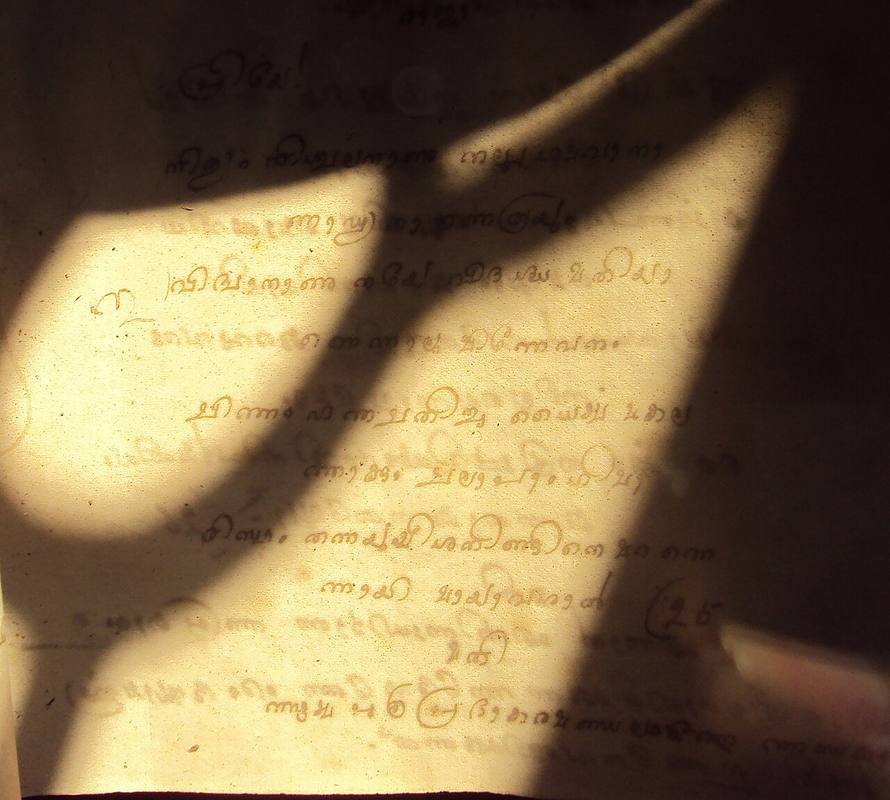
A writing system has to pick a direction and keep it, or readers cannot tell where a line starts. Latin, the alphabet English inherited, runs from left to right in horizontal lines, top to bottom. English, French, and most of the languages of Europe that use the same letters kept that direction.
The inheritance is historical, not anatomical. Right-handed scribes have been offered as a reason, because a right hand moving rightward does not smear wet ink as it goes. That may have helped the choice stick for ink on parchment. It does not explain every script, and it is not a rule a child needs. The rule is simply the one the alphabet arrived with.
A direction inherited from Latin
Arabic and Hebrew run from right to left. A reader of those scripts starts at the opposite end of the line. A page of Arabic in an English book can look as if it begins at the back. It begins where its own direction says.
Some scripts have been written in vertical columns. Traditional Chinese and Japanese can run top to bottom, with columns ordered right to left, and they are also written horizontally. The same characters survive a change of direction. An alphabet can too, but a whole reading public has to change together.
It is a convention
Early writing sometimes alternated, one line left to right and the next right to left, like an ox ploughing a field. That gave way, in the Mediterranean alphabets, to a single direction. Consistency won because indexes, printing, and teaching all need it.
Nothing in the grammar of English requires the direction. The requirement is shared habit. Type, keyboards, and the way we scan a page all assume the Latin choice. A word is still the same word if you write it backwards. You will simply be the only person who can read it.
A direction inherited from Latin
English is written from left to right because it uses the Latin alphabet, and Latin was written that way. Other scripts run the other way, or down the page. A writing system has to pick a direction and keep it, or readers cannot tell where a line starts. Latin, the alphabet English inherited, runs from left to right in horizontal lines, top to bottom.
Put those two statements side by side. The first sets the condition. The second says what happens once that condition is met. Why English is written left to right needs both. Drop the first and the second has nothing to explain. Drop the second and the first is only the scene.
It is a convention
Latin, the alphabet English inherited, runs from left to right in horizontal lines, top to bottom. English, French, and most of the languages of Europe that use the same letters kept that direction.
The order is the explanation. What the first sentence names has to be there before the result in the second sentence can show up. The piece does not ask you to accept the result first and hunt for a cause afterwards.
A check you can make
English, French, and most of the languages of Europe that use the same letters kept that direction. The inheritance is historical, not anatomical.
A fair check is sequential. Confirm the first statement. Then see whether the second is the result of it, rather than a separate fact parked in the same piece. If the result shows up without the condition, this account does not cover what you are looking at.
The limit of the claim
The inheritance is historical, not anatomical. Right-handed scribes have been offered as a reason, because a right hand moving rightward does not smear wet ink as it goes.
The two statements do different jobs. One says what is there, what it is made of, or what acts on it. The other says the change that follows. The title names the change. It is not an inventory of parts.
The same steps, in order
Right-handed scribes have been offered as a reason, because a right hand moving rightward does not smear wet ink as it goes. That may have helped the choice stick for ink on parchment.
Nothing in the second statement cancels the first. It carries the first forward or marks the limit of it. Remember only the result, and the cause goes missing. Remember only the cause, and you will not know what the piece says happens next.
Why the order matters
That may have helped the choice stick for ink on parchment. It does not explain every script, and it is not a rule a child needs.
Read them as one path. Start at the first full stop and do not skip to the outcome. The words between the two statements are the mechanism. The title is the name of that path, not a second claim.
Condition, then outcome
It does not explain every script, and it is not a rule a child needs. The rule is simply the one the alphabet arrived with.
The first statement can be true and still not finish the job. The second statement is the job finishing. Hold both, and the paragraph above stops being a list. It becomes the reason the title is worded as it is.
What the title is naming
The rule is simply the one the alphabet arrived with. Arabic and Hebrew run from right to left.
If you wanted a shorter version, it would be those two sentences and nothing else. Everything added around them is there so the dependence is obvious: the second does not happen unless the first has happened.
What has to come first
Arabic and Hebrew run from right to left. A reader of those scripts starts at the opposite end of the line.
Put those two statements side by side. The first sets the condition. The second says what happens once that condition is met. Why English is written left to right needs both. Drop the first and the second has nothing to explain. Drop the second and the first is only the scene.
The result that follows
A reader of those scripts starts at the opposite end of the line. A page of Arabic in an English book can look as if it begins at the back.
The order is the explanation. What the first sentence names has to be there before the result in the second sentence can show up. The piece does not ask you to accept the result first and hunt for a cause afterwards.
A check you can make
A page of Arabic in an English book can look as if it begins at the back. It begins where its own direction says.
A fair check is sequential. Confirm the first statement. Then see whether the second is the result of it, rather than a separate fact parked in the same piece. If the result shows up without the condition, this account does not cover what you are looking at.
The limit of the claim
It begins where its own direction says. Some scripts have been written in vertical columns.
The two statements do different jobs. One says what is there, what it is made of, or what acts on it. The other says the change that follows. The title names the change. It is not an inventory of parts.
The same steps, in order
Some scripts have been written in vertical columns. Traditional Chinese and Japanese can run top to bottom, with columns ordered right to left, and they are also written horizontally.
Nothing in the second statement cancels the first. It carries the first forward or marks the limit of it. Remember only the result, and the cause goes missing. Remember only the cause, and you will not know what the piece says happens next.
Why the order matters
Traditional Chinese and Japanese can run top to bottom, with columns ordered right to left, and they are also written horizontally. The same characters survive a change of direction.
Read them as one path. Start at the first full stop and do not skip to the outcome. The words between the two statements are the mechanism. The title is the name of that path, not a second claim.
Condition, then outcome
The same characters survive a change of direction. An alphabet can too, but a whole reading public has to change together.
The first statement can be true and still not finish the job. The second statement is the job finishing. Hold both, and the paragraph above stops being a list. It becomes the reason the title is worded as it is.
What the title is naming
An alphabet can too, but a whole reading public has to change together. Early writing sometimes alternated, one line left to right and the next right to left, like an ox ploughing a field.
If you wanted a shorter version, it would be those two sentences and nothing else. Everything added around them is there so the dependence is obvious: the second does not happen unless the first has happened.
What has to come first
Early writing sometimes alternated, one line left to right and the next right to left, like an ox ploughing a field. That gave way, in the Mediterranean alphabets, to a single direction.
Put those two statements side by side. The first sets the condition. The second says what happens once that condition is met. Why English is written left to right needs both. Drop the first and the second has nothing to explain. Drop the second and the first is only the scene.
The result that follows
That gave way, in the Mediterranean alphabets, to a single direction. Consistency won because indexes, printing, and teaching all need it.
The order is the explanation. What the first sentence names has to be there before the result in the second sentence can show up. The piece does not ask you to accept the result first and hunt for a cause afterwards.
A check you can make
Consistency won because indexes, printing, and teaching all need it. Nothing in the grammar of English requires the direction.
A fair check is sequential. Confirm the first statement. Then see whether the second is the result of it, rather than a separate fact parked in the same piece. If the result shows up without the condition, this account does not cover what you are looking at.
The limit of the claim
Nothing in the grammar of English requires the direction. The requirement is shared habit.
The two statements do different jobs. One says what is there, what it is made of, or what acts on it. The other says the change that follows. The title names the change. It is not an inventory of parts.
The same steps, in order
The requirement is shared habit. Type, keyboards, and the way we scan a page all assume the Latin choice.
Nothing in the second statement cancels the first. It carries the first forward or marks the limit of it. Remember only the result, and the cause goes missing. Remember only the cause, and you will not know what the piece says happens next.
Why the order matters
Type, keyboards, and the way we scan a page all assume the Latin choice. A word is still the same word if you write it backwards.
Read them as one path. Start at the first full stop and do not skip to the outcome. The words between the two statements are the mechanism. The title is the name of that path, not a second claim.
Condition, then outcome
A word is still the same word if you write it backwards. You will simply be the only person who can read it.
The first statement can be true and still not finish the job. The second statement is the job finishing. Hold both, and the paragraph above stops being a list. It becomes the reason the title is worded as it is.
No correction has been appended to this story. If a line is wrong, tell the newsroom.