
Why a pipe can burst in a freeze
Water expands when it freezes. In a closed pipe that expansion has nowhere to go, and the pipe splits. The leak often shows when the ice thaws.
Listen is a Plus feature Upgrade
Listening is not supported in this browser.
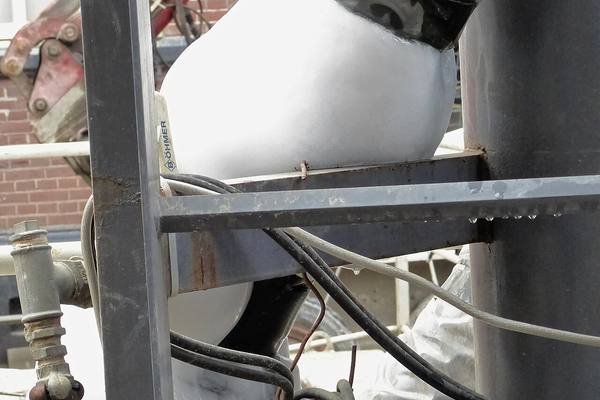
Liquid water is densest a little above freezing. As it turns to ice it forms an open crystal and takes up more space. In a pond, that is why ice floats. In a pipe, the same expansion pushes on the wall.
An open pipe can push a thread of ice out of the end. A closed one, with valves shut or with ice plugs at both ends of a cold section, cannot. Pressure rises until the weakest point gives. Copper splits along a seam. Plastic may cope better and still fail at a joint.
Ice takes more room
The burst is often in the frozen hour, and the drip starts later. Ice holds the crack shut. When the thaw comes, water runs. That is why a house can flood on the morning after a freeze, from a pipe that looked quiet all night.
Pipes in lofts, garages, and on outside walls freeze first, because that is where the air is coldest. Lagging slows the heat loss. It does not warm the pipe. A pipe that never gets a trickle of warmer water, in a void that stays below freezing, will ice up given time.
Where it happens
Leaving a heating system on a low setting, and opening the loft hatch a crack so a little warmth rises, are ordinary precautions in a hard freeze. So is knowing where the stopcock is, before you need it. The stopcock is the valve that shuts off the incoming main.
If a pipe has burst, shut that valve, open taps to drain what is already in the house, and switch off any water heater that would otherwise heat an empty tank. The repair is a plumber’s job. The flood is smaller if the main is off.
Ice takes more room
Water expands when it freezes. In a closed pipe that expansion has nowhere to go, and the pipe splits. The leak often shows when the ice thaws. Liquid water is densest a little above freezing. As it turns to ice it forms an open crystal and takes up more space.
Put those two statements side by side. The first sets the condition. The second says what happens once that condition is met. Why a pipe can burst in a freeze needs both. Drop the first and the second has nothing to explain. Drop the second and the first is only the scene.
Where it happens
As it turns to ice it forms an open crystal and takes up more space. In a pond, that is why ice floats.
The order is the explanation. What the first sentence names has to be there before the result in the second sentence can show up. The piece does not ask you to accept the result first and hunt for a cause afterwards.
A check you can make
In a pond, that is why ice floats. In a pipe, the same expansion pushes on the wall.
A fair check is sequential. Confirm the first statement. Then see whether the second is the result of it, rather than a separate fact parked in the same piece. If the result shows up without the condition, this account does not cover what you are looking at.
The limit of the claim
In a pipe, the same expansion pushes on the wall. An open pipe can push a thread of ice out of the end.
The two statements do different jobs. One says what is there, what it is made of, or what acts on it. The other says the change that follows. The title names the change. It is not an inventory of parts.
The same steps, in order
An open pipe can push a thread of ice out of the end. A closed one, with valves shut or with ice plugs at both ends of a cold section, cannot.
Nothing in the second statement cancels the first. It carries the first forward or marks the limit of it. Remember only the result, and the cause goes missing. Remember only the cause, and you will not know what the piece says happens next.
Why the order matters
A closed one, with valves shut or with ice plugs at both ends of a cold section, cannot. Pressure rises until the weakest point gives.
Read them as one path. Start at the first full stop and do not skip to the outcome. The words between the two statements are the mechanism. The title is the name of that path, not a second claim.
Condition, then outcome
Pressure rises until the weakest point gives. Copper splits along a seam.
The first statement can be true and still not finish the job. The second statement is the job finishing. Hold both, and the paragraph above stops being a list. It becomes the reason the title is worded as it is.
What the title is naming
Copper splits along a seam. Plastic may cope better and still fail at a joint.
If you wanted a shorter version, it would be those two sentences and nothing else. Everything added around them is there so the dependence is obvious: the second does not happen unless the first has happened.
What has to come first
Plastic may cope better and still fail at a joint. The burst is often in the frozen hour, and the drip starts later.
Put those two statements side by side. The first sets the condition. The second says what happens once that condition is met. Why a pipe can burst in a freeze needs both. Drop the first and the second has nothing to explain. Drop the second and the first is only the scene.
The result that follows
The burst is often in the frozen hour, and the drip starts later. Ice holds the crack shut.
The order is the explanation. What the first sentence names has to be there before the result in the second sentence can show up. The piece does not ask you to accept the result first and hunt for a cause afterwards.
A check you can make
Ice holds the crack shut. When the thaw comes, water runs.
A fair check is sequential. Confirm the first statement. Then see whether the second is the result of it, rather than a separate fact parked in the same piece. If the result shows up without the condition, this account does not cover what you are looking at.
The limit of the claim
When the thaw comes, water runs. That is why a house can flood on the morning after a freeze, from a pipe that looked quiet all night.
The two statements do different jobs. One says what is there, what it is made of, or what acts on it. The other says the change that follows. The title names the change. It is not an inventory of parts.
The same steps, in order
That is why a house can flood on the morning after a freeze, from a pipe that looked quiet all night. Pipes in lofts, garages, and on outside walls freeze first, because that is where the air is coldest.
Nothing in the second statement cancels the first. It carries the first forward or marks the limit of it. Remember only the result, and the cause goes missing. Remember only the cause, and you will not know what the piece says happens next.
Why the order matters
Pipes in lofts, garages, and on outside walls freeze first, because that is where the air is coldest. Lagging slows the heat loss.
Read them as one path. Start at the first full stop and do not skip to the outcome. The words between the two statements are the mechanism. The title is the name of that path, not a second claim.
Condition, then outcome
Lagging slows the heat loss. It does not warm the pipe.
The first statement can be true and still not finish the job. The second statement is the job finishing. Hold both, and the paragraph above stops being a list. It becomes the reason the title is worded as it is.
What the title is naming
It does not warm the pipe. A pipe that never gets a trickle of warmer water, in a void that stays below freezing, will ice up given time.
If you wanted a shorter version, it would be those two sentences and nothing else. Everything added around them is there so the dependence is obvious: the second does not happen unless the first has happened.
What has to come first
A pipe that never gets a trickle of warmer water, in a void that stays below freezing, will ice up given time. Leaving a heating system on a low setting, and opening the loft hatch a crack so a little warmth rises, are ordinary precautions in a hard freeze.
Put those two statements side by side. The first sets the condition. The second says what happens once that condition is met. Why a pipe can burst in a freeze needs both. Drop the first and the second has nothing to explain. Drop the second and the first is only the scene.
The result that follows
Leaving a heating system on a low setting, and opening the loft hatch a crack so a little warmth rises, are ordinary precautions in a hard freeze. So is knowing where the stopcock is, before you need it.
The order is the explanation. What the first sentence names has to be there before the result in the second sentence can show up. The piece does not ask you to accept the result first and hunt for a cause afterwards.
No correction has been appended to this story. If a line is wrong, tell the newsroom.