
How to mend an open seam
An open seam is a row of stitches that has given up. A needle, matching thread, and a short backstitch put the two edges together again.
Listen is a Plus feature Upgrade
Listening is not supported in this browser.
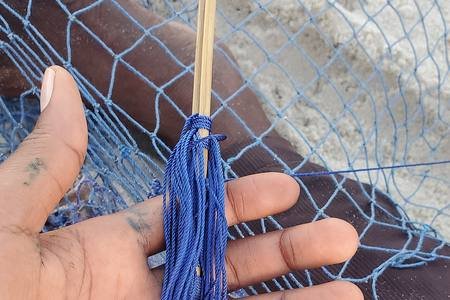
Turn the garment inside out and look at the gap. Most splits are along the old line, where the cloth is already folded. Pin the two allowances back the way they were, so the mend sits in the original place and does not pull the outside into a pucker.
Match the thread to the cloth. Cotton for cotton, polyester for a synthetic, a close colour rather than a contrast unless you want the mend to show. A needle with an eye that the thread fills, and a point suited to the cloth, goes through without tearing.
Thread and needle
Knot the end, or sew a few tiny stitches on top of each other. Bring the needle through both allowances and take a short stitch forward. Then bring the needle back into the end of that stitch and out again a stitch-length ahead. That overlap is a backstitch. It does not unzip if one loop breaks.
Keep the tension even. Pull each stitch snug, not tight enough to gather the cloth. On a stretch fabric, a narrow zigzag, or a backstitch with a little slack, moves with the cloth. A rigid line of tiny stitches will pop again at the first wear.
The stitch that holds
At the end, sew two stitches in place and pass the needle through the last loop to lock it. Trim close. Press the seam with an iron on the setting the cloth allows. Pressing beds the stitches and makes the outside lie flat.
If the cloth itself has worn through, a seam stitch has nothing to hold. That needs a patch. The open seam, where the cloth is sound and only the thread failed, is the job a backstitch finishes in a few minutes.
Thread and needle
An open seam is a row of stitches that has given up. A needle, matching thread, and a short backstitch put the two edges together again. Turn the garment inside out and look at the gap. Most splits are along the old line, where the cloth is already folded.
Put those two statements side by side. The first sets the condition. The second says what happens once that condition is met. How to mend an open seam needs both. Drop the first and the second has nothing to explain. Drop the second and the first is only the scene.
The stitch that holds
Most splits are along the old line, where the cloth is already folded. Pin the two allowances back the way they were, so the mend sits in the original place and does not pull the outside into a pucker.
The order is the explanation. What the first sentence names has to be there before the result in the second sentence can show up. The piece does not ask you to accept the result first and hunt for a cause afterwards.
A check you can make
Pin the two allowances back the way they were, so the mend sits in the original place and does not pull the outside into a pucker. Match the thread to the cloth.
A fair check is sequential. Confirm the first statement. Then see whether the second is the result of it, rather than a separate fact parked in the same piece. If the result shows up without the condition, this account does not cover what you are looking at.
The limit of the claim
Match the thread to the cloth. Cotton for cotton, polyester for a synthetic, a close colour rather than a contrast unless you want the mend to show.
The two statements do different jobs. One says what is there, what it is made of, or what acts on it. The other says the change that follows. The title names the change. It is not an inventory of parts.
The same steps, in order
Cotton for cotton, polyester for a synthetic, a close colour rather than a contrast unless you want the mend to show. A needle with an eye that the thread fills, and a point suited to the cloth, goes through without tearing.
Nothing in the second statement cancels the first. It carries the first forward or marks the limit of it. Remember only the result, and the cause goes missing. Remember only the cause, and you will not know what the piece says happens next.
Why the order matters
A needle with an eye that the thread fills, and a point suited to the cloth, goes through without tearing. Knot the end, or sew a few tiny stitches on top of each other.
Read them as one path. Start at the first full stop and do not skip to the outcome. The words between the two statements are the mechanism. The title is the name of that path, not a second claim.
Condition, then outcome
Knot the end, or sew a few tiny stitches on top of each other. Bring the needle through both allowances and take a short stitch forward.
The first statement can be true and still not finish the job. The second statement is the job finishing. Hold both, and the paragraph above stops being a list. It becomes the reason the title is worded as it is.
What the title is naming
Bring the needle through both allowances and take a short stitch forward. Then bring the needle back into the end of that stitch and out again a stitch-length ahead.
If you wanted a shorter version, it would be those two sentences and nothing else. Everything added around them is there so the dependence is obvious: the second does not happen unless the first has happened.
What has to come first
Then bring the needle back into the end of that stitch and out again a stitch-length ahead. That overlap is a backstitch.
Put those two statements side by side. The first sets the condition. The second says what happens once that condition is met. How to mend an open seam needs both. Drop the first and the second has nothing to explain. Drop the second and the first is only the scene.
The result that follows
That overlap is a backstitch. It does not unzip if one loop breaks.
The order is the explanation. What the first sentence names has to be there before the result in the second sentence can show up. The piece does not ask you to accept the result first and hunt for a cause afterwards.
A check you can make
It does not unzip if one loop breaks. Keep the tension even.
A fair check is sequential. Confirm the first statement. Then see whether the second is the result of it, rather than a separate fact parked in the same piece. If the result shows up without the condition, this account does not cover what you are looking at.
The limit of the claim
Keep the tension even. Pull each stitch snug, not tight enough to gather the cloth.
The two statements do different jobs. One says what is there, what it is made of, or what acts on it. The other says the change that follows. The title names the change. It is not an inventory of parts.
The same steps, in order
Pull each stitch snug, not tight enough to gather the cloth. On a stretch fabric, a narrow zigzag, or a backstitch with a little slack, moves with the cloth.
Nothing in the second statement cancels the first. It carries the first forward or marks the limit of it. Remember only the result, and the cause goes missing. Remember only the cause, and you will not know what the piece says happens next.
Why the order matters
On a stretch fabric, a narrow zigzag, or a backstitch with a little slack, moves with the cloth. A rigid line of tiny stitches will pop again at the first wear.
Read them as one path. Start at the first full stop and do not skip to the outcome. The words between the two statements are the mechanism. The title is the name of that path, not a second claim.
Condition, then outcome
A rigid line of tiny stitches will pop again at the first wear. At the end, sew two stitches in place and pass the needle through the last loop to lock it.
The first statement can be true and still not finish the job. The second statement is the job finishing. Hold both, and the paragraph above stops being a list. It becomes the reason the title is worded as it is.
What the title is naming
At the end, sew two stitches in place and pass the needle through the last loop to lock it. Trim close.
If you wanted a shorter version, it would be those two sentences and nothing else. Everything added around them is there so the dependence is obvious: the second does not happen unless the first has happened.
What has to come first
Trim close. Press the seam with an iron on the setting the cloth allows.
Put those two statements side by side. The first sets the condition. The second says what happens once that condition is met. How to mend an open seam needs both. Drop the first and the second has nothing to explain. Drop the second and the first is only the scene.
No correction has been appended to this story. If a line is wrong, tell the newsroom.