
Why the clocks change twice a year
In Britain the clocks go forward in spring and back in autumn. The sun does not move. The civil day is slid by an hour.
Listen is a Plus feature Upgrade
Listening is not supported in this browser.
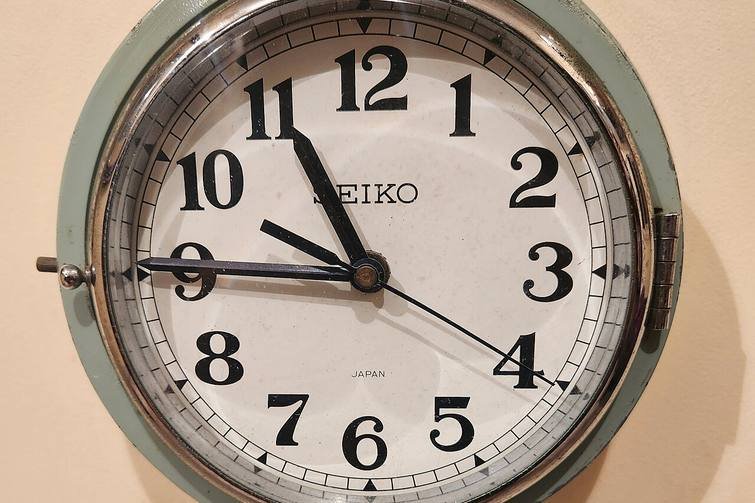
Clock time is a convention. Noon on the clock need not be the moment the sun is highest. Daylight saving moves the convention so that, in summer, more of the long evening falls inside the hours people are awake.
In spring the clocks are put forward one hour. You lose an hour of sleep that night, and sunrise and sunset both happen later by the clock. In autumn the clocks go back. The morning is lighter by the clock, the evening darker, and the hour returns.
An hour, twice a year
The purpose is the use of daylight, not a change in the length of the day. June has long days whether the clock says so or not. The shift only decides which clock-hours those daylight hours occupy. Shops, schools, and trains follow the clock, so the shift changes when people travel relative to the sun.
The dates are set by law and published well ahead. Transport timetables show the odd night, when an hour is skipped or repeated. A train in the small hours of the change needs a footnote. Ordinary daytime services simply run on the new clock.
What the shift is for
Not every country does this, and those that do pick their own dates. A video call across a border can be an hour out for a few weeks in spring or autumn, even between places that share a zone the rest of the year.
The body clock prefers the sun to the law. For a few days after the change, bedtime feels early or late. Morning light, and keeping meals at the new clock time, is the usual way through it. The shift is one hour, not a flight across the Atlantic.
An hour, twice a year
In Britain the clocks go forward in spring and back in autumn. The sun does not move. The civil day is slid by an hour. Clock time is a convention. Noon on the clock need not be the moment the sun is highest.
Put those two statements side by side. The first sets the condition. The second says what happens once that condition is met. Why the clocks change twice a year needs both. Drop the first and the second has nothing to explain. Drop the second and the first is only the scene.
What the shift is for
Noon on the clock need not be the moment the sun is highest. Daylight saving moves the convention so that, in summer, more of the long evening falls inside the hours people are awake.
The order is the explanation. What the first sentence names has to be there before the result in the second sentence can show up. The piece does not ask you to accept the result first and hunt for a cause afterwards.
A check you can make
Daylight saving moves the convention so that, in summer, more of the long evening falls inside the hours people are awake. In spring the clocks are put forward one hour.
A fair check is sequential. Confirm the first statement. Then see whether the second is the result of it, rather than a separate fact parked in the same piece. If the result shows up without the condition, this account does not cover what you are looking at.
The limit of the claim
In spring the clocks are put forward one hour. You lose an hour of sleep that night, and sunrise and sunset both happen later by the clock.
The two statements do different jobs. One says what is there, what it is made of, or what acts on it. The other says the change that follows. The title names the change. It is not an inventory of parts.
The same steps, in order
You lose an hour of sleep that night, and sunrise and sunset both happen later by the clock. In autumn the clocks go back.
Nothing in the second statement cancels the first. It carries the first forward or marks the limit of it. Remember only the result, and the cause goes missing. Remember only the cause, and you will not know what the piece says happens next.
Why the order matters
In autumn the clocks go back. The morning is lighter by the clock, the evening darker, and the hour returns.
Read them as one path. Start at the first full stop and do not skip to the outcome. The words between the two statements are the mechanism. The title is the name of that path, not a second claim.
Condition, then outcome
The morning is lighter by the clock, the evening darker, and the hour returns. The purpose is the use of daylight, not a change in the length of the day.
The first statement can be true and still not finish the job. The second statement is the job finishing. Hold both, and the paragraph above stops being a list. It becomes the reason the title is worded as it is.
What the title is naming
The purpose is the use of daylight, not a change in the length of the day. June has long days whether the clock says so or not.
If you wanted a shorter version, it would be those two sentences and nothing else. Everything added around them is there so the dependence is obvious: the second does not happen unless the first has happened.
What has to come first
June has long days whether the clock says so or not. The shift only decides which clock-hours those daylight hours occupy.
Put those two statements side by side. The first sets the condition. The second says what happens once that condition is met. Why the clocks change twice a year needs both. Drop the first and the second has nothing to explain. Drop the second and the first is only the scene.
The result that follows
The shift only decides which clock-hours those daylight hours occupy. Shops, schools, and trains follow the clock, so the shift changes when people travel relative to the sun.
The order is the explanation. What the first sentence names has to be there before the result in the second sentence can show up. The piece does not ask you to accept the result first and hunt for a cause afterwards.
A check you can make
Shops, schools, and trains follow the clock, so the shift changes when people travel relative to the sun. The dates are set by law and published well ahead.
A fair check is sequential. Confirm the first statement. Then see whether the second is the result of it, rather than a separate fact parked in the same piece. If the result shows up without the condition, this account does not cover what you are looking at.
The limit of the claim
The dates are set by law and published well ahead. Transport timetables show the odd night, when an hour is skipped or repeated.
The two statements do different jobs. One says what is there, what it is made of, or what acts on it. The other says the change that follows. The title names the change. It is not an inventory of parts.
The same steps, in order
Transport timetables show the odd night, when an hour is skipped or repeated. A train in the small hours of the change needs a footnote.
Nothing in the second statement cancels the first. It carries the first forward or marks the limit of it. Remember only the result, and the cause goes missing. Remember only the cause, and you will not know what the piece says happens next.
Why the order matters
A train in the small hours of the change needs a footnote. Ordinary daytime services simply run on the new clock.
Read them as one path. Start at the first full stop and do not skip to the outcome. The words between the two statements are the mechanism. The title is the name of that path, not a second claim.
Condition, then outcome
Ordinary daytime services simply run on the new clock. Not every country does this, and those that do pick their own dates.
The first statement can be true and still not finish the job. The second statement is the job finishing. Hold both, and the paragraph above stops being a list. It becomes the reason the title is worded as it is.
What the title is naming
Not every country does this, and those that do pick their own dates. A video call across a border can be an hour out for a few weeks in spring or autumn, even between places that share a zone the rest of the year.
If you wanted a shorter version, it would be those two sentences and nothing else. Everything added around them is there so the dependence is obvious: the second does not happen unless the first has happened.
What has to come first
A video call across a border can be an hour out for a few weeks in spring or autumn, even between places that share a zone the rest of the year. The body clock prefers the sun to the law.
Put those two statements side by side. The first sets the condition. The second says what happens once that condition is met. Why the clocks change twice a year needs both. Drop the first and the second has nothing to explain. Drop the second and the first is only the scene.
No correction has been appended to this story. If a line is wrong, tell the newsroom.