
How a household budget is built
A budget is a list of money coming in and money going out, written before the month spends it. The gap between the two is the decision.
Listen is a Plus feature Upgrade
Listening is not supported in this browser.
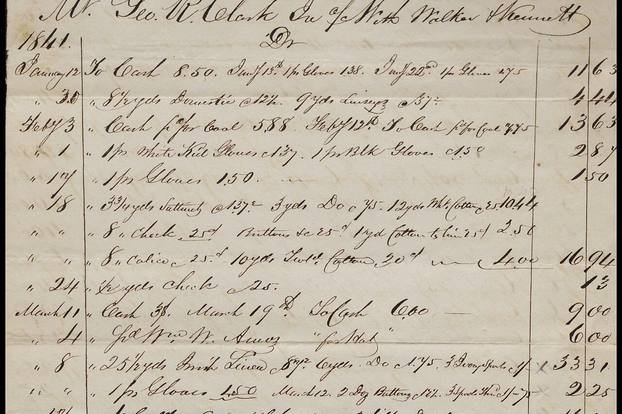
Start with income you can rely on. A wage after tax, a pension, a benefit that actually arrives. Use the amount that lands, not the amount before deductions. If income varies, use a cautious month, not your best one.
Then the costs that are hard to change this month: rent or mortgage, the household tax, the energy direct debit, insurance, travel you need for work. These are the fixed lines. They leave first. What remains is what the rest of the month must fit.
Income first
Variable costs are food, the household shop, clothes, and the small leaks: a subscription you forgot, a takeaway that became a habit. These are the lines you can still shape. Write them as they are, from a month of statements, not as you wish they were.
Subtract the outgoings from the income. A positive gap is money you can assign: to a debt, to a buffer, to something you have been postponing. A negative gap is an overspend. It will land on a card or an overdraft unless a line changes.
Fixed, variable, and what is left
A buffer is a small pile kept for the bill you did not expect. It is part of the budget, not a failure of it. Without it, every surprise becomes a debt. Build it slowly from the gap, if there is a gap.
Look again next month. A budget that is never compared with what happened is a wish. The statements are the record. Move the lines that were wrong, and keep the list where you will open it.
Income first
A budget is a list of money coming in and money going out, written before the month spends it. The gap between the two is the decision. Start with income you can rely on. A wage after tax, a pension, a benefit that actually arrives.
Put those two statements side by side. The first sets the condition. The second says what happens once that condition is met. How a household budget is built needs both. Drop the first and the second has nothing to explain. Drop the second and the first is only the scene.
Fixed, variable, and what is left
A wage after tax, a pension, a benefit that actually arrives. Use the amount that lands, not the amount before deductions.
The order is the explanation. What the first sentence names has to be there before the result in the second sentence can show up. The piece does not ask you to accept the result first and hunt for a cause afterwards.
A check you can make
Use the amount that lands, not the amount before deductions. If income varies, use a cautious month, not your best one.
A fair check is sequential. Confirm the first statement. Then see whether the second is the result of it, rather than a separate fact parked in the same piece. If the result shows up without the condition, this account does not cover what you are looking at.
The limit of the claim
If income varies, use a cautious month, not your best one. Then the costs that are hard to change this month: rent or mortgage, the household tax, the energy direct debit, insurance, travel you need for work.
The two statements do different jobs. One says what is there, what it is made of, or what acts on it. The other says the change that follows. The title names the change. It is not an inventory of parts.
The same steps, in order
Then the costs that are hard to change this month: rent or mortgage, the household tax, the energy direct debit, insurance, travel you need for work. These are the fixed lines.
Nothing in the second statement cancels the first. It carries the first forward or marks the limit of it. Remember only the result, and the cause goes missing. Remember only the cause, and you will not know what the piece says happens next.
Why the order matters
These are the fixed lines. They leave first.
Read them as one path. Start at the first full stop and do not skip to the outcome. The words between the two statements are the mechanism. The title is the name of that path, not a second claim.
Condition, then outcome
They leave first. What remains is what the rest of the month must fit.
The first statement can be true and still not finish the job. The second statement is the job finishing. Hold both, and the paragraph above stops being a list. It becomes the reason the title is worded as it is.
What the title is naming
What remains is what the rest of the month must fit. Variable costs are food, the household shop, clothes, and the small leaks: a subscription you forgot, a takeaway that became a habit.
If you wanted a shorter version, it would be those two sentences and nothing else. Everything added around them is there so the dependence is obvious: the second does not happen unless the first has happened.
What has to come first
Variable costs are food, the household shop, clothes, and the small leaks: a subscription you forgot, a takeaway that became a habit. These are the lines you can still shape.
Put those two statements side by side. The first sets the condition. The second says what happens once that condition is met. How a household budget is built needs both. Drop the first and the second has nothing to explain. Drop the second and the first is only the scene.
The result that follows
These are the lines you can still shape. Write them as they are, from a month of statements, not as you wish they were.
The order is the explanation. What the first sentence names has to be there before the result in the second sentence can show up. The piece does not ask you to accept the result first and hunt for a cause afterwards.
A check you can make
Write them as they are, from a month of statements, not as you wish they were. Subtract the outgoings from the income.
A fair check is sequential. Confirm the first statement. Then see whether the second is the result of it, rather than a separate fact parked in the same piece. If the result shows up without the condition, this account does not cover what you are looking at.
The limit of the claim
Subtract the outgoings from the income. A positive gap is money you can assign: to a debt, to a buffer, to something you have been postponing.
The two statements do different jobs. One says what is there, what it is made of, or what acts on it. The other says the change that follows. The title names the change. It is not an inventory of parts.
No correction has been appended to this story. If a line is wrong, tell the newsroom.