
How a standing order works
A standing order is your instruction to your bank to pay a fixed amount on a regular date. The person you pay cannot change the figure.
Listen is a Plus feature Upgrade
Listening is not supported in this browser.
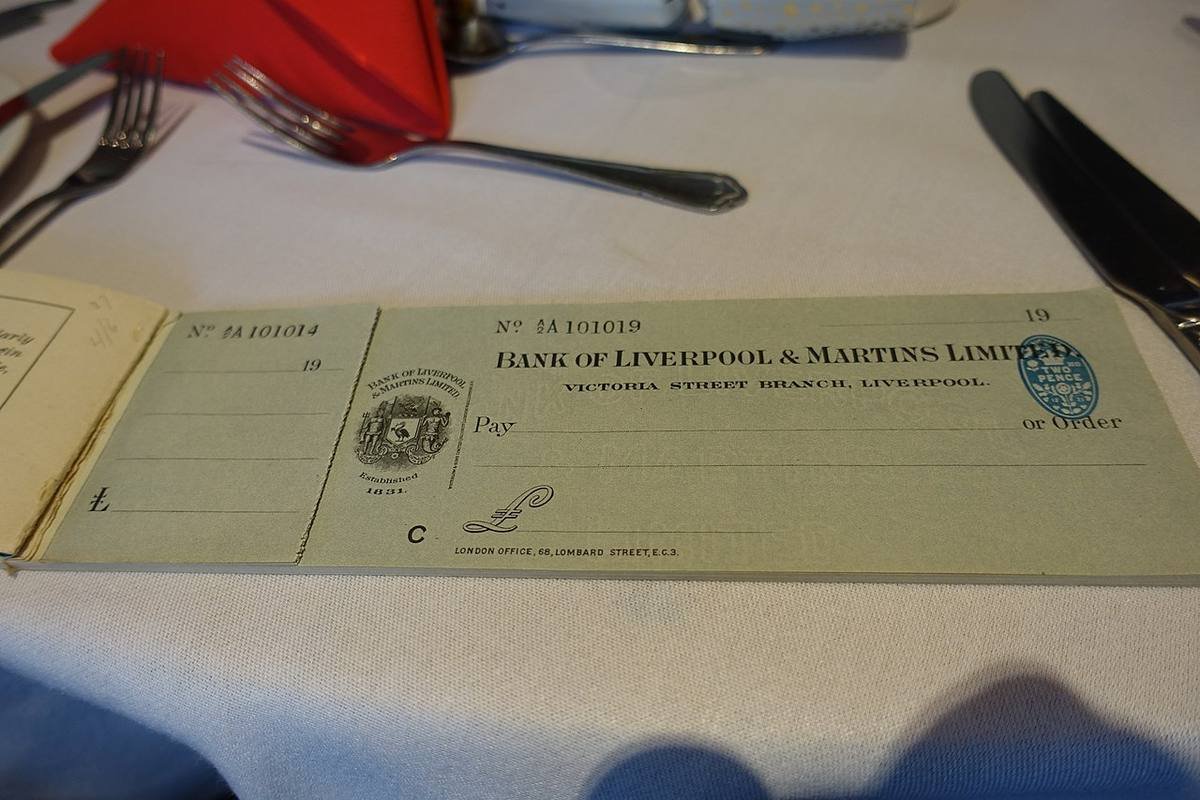
You tell the bank four things: who to pay, the account to pay into, how much, and how often. On that date the bank sends the money, if it is there. The recipient does not request it. They simply receive it.
Because the amount is fixed, standing orders suit rent, a regular transfer into a savings account, or a subscription whose price does not change. They suit a bill that varies poorly. A fuel bill that is different every month needs a direct debit, or a manual payment, not a fixed order.
You set the amount
The date is the date you chose. If it falls on a weekend or a bank holiday, the bank pays on the next working day, or sometimes the previous one, under its own rule. Know which, if the recipient charges for a late arrival. Paying a day or two early in the instruction avoids the argument.
You can change the amount, the date, or the destination, and you can cancel. You do all of that with your own bank. The recipient cannot reach in and take a different sum. If the rent rises, you must change the order. It will not change itself.
Changing or stopping it
If the account has too little on the day, the payment fails. Some banks retry. Some do not. A failed rent payment is still your problem with the landlord. The bank’s job was to follow the instruction, not to lend you the difference, unless you have a separate overdraft.
Review them when your life changes. A standing order to a housemate who has moved out will keep paying until you stop it. The bank is being obedient. The instruction is yours.
You set the amount
A standing order is your instruction to your bank to pay a fixed amount on a regular date. The person you pay cannot change the figure. You tell the bank four things: who to pay, the account to pay into, how much, and how often. On that date the bank sends the money, if it is there.
Put those two statements side by side. The first sets the condition. The second says what happens once that condition is met. How a standing order works needs both. Drop the first and the second has nothing to explain. Drop the second and the first is only the scene.
Changing or stopping it
On that date the bank sends the money, if it is there. The recipient does not request it.
The order is the explanation. What the first sentence names has to be there before the result in the second sentence can show up. The piece does not ask you to accept the result first and hunt for a cause afterwards.
A check you can make
The recipient does not request it. They simply receive it.
A fair check is sequential. Confirm the first statement. Then see whether the second is the result of it, rather than a separate fact parked in the same piece. If the result shows up without the condition, this account does not cover what you are looking at.
The limit of the claim
They simply receive it. Because the amount is fixed, standing orders suit rent, a regular transfer into a savings account, or a subscription whose price does not change.
The two statements do different jobs. One says what is there, what it is made of, or what acts on it. The other says the change that follows. The title names the change. It is not an inventory of parts.
The same steps, in order
Because the amount is fixed, standing orders suit rent, a regular transfer into a savings account, or a subscription whose price does not change. They suit a bill that varies poorly.
Nothing in the second statement cancels the first. It carries the first forward or marks the limit of it. Remember only the result, and the cause goes missing. Remember only the cause, and you will not know what the piece says happens next.
Why the order matters
They suit a bill that varies poorly. A fuel bill that is different every month needs a direct debit, or a manual payment, not a fixed order.
Read them as one path. Start at the first full stop and do not skip to the outcome. The words between the two statements are the mechanism. The title is the name of that path, not a second claim.
Condition, then outcome
A fuel bill that is different every month needs a direct debit, or a manual payment, not a fixed order. The date is the date you chose.
The first statement can be true and still not finish the job. The second statement is the job finishing. Hold both, and the paragraph above stops being a list. It becomes the reason the title is worded as it is.
What the title is naming
The date is the date you chose. If it falls on a weekend or a bank holiday, the bank pays on the next working day, or sometimes the previous one, under its own rule.
If you wanted a shorter version, it would be those two sentences and nothing else. Everything added around them is there so the dependence is obvious: the second does not happen unless the first has happened.
What has to come first
If it falls on a weekend or a bank holiday, the bank pays on the next working day, or sometimes the previous one, under its own rule. Know which, if the recipient charges for a late arrival.
Put those two statements side by side. The first sets the condition. The second says what happens once that condition is met. How a standing order works needs both. Drop the first and the second has nothing to explain. Drop the second and the first is only the scene.
The result that follows
Know which, if the recipient charges for a late arrival. Paying a day or two early in the instruction avoids the argument.
The order is the explanation. What the first sentence names has to be there before the result in the second sentence can show up. The piece does not ask you to accept the result first and hunt for a cause afterwards.
A check you can make
Paying a day or two early in the instruction avoids the argument. You can change the amount, the date, or the destination, and you can cancel.
A fair check is sequential. Confirm the first statement. Then see whether the second is the result of it, rather than a separate fact parked in the same piece. If the result shows up without the condition, this account does not cover what you are looking at.
The limit of the claim
You can change the amount, the date, or the destination, and you can cancel. You do all of that with your own bank.
The two statements do different jobs. One says what is there, what it is made of, or what acts on it. The other says the change that follows. The title names the change. It is not an inventory of parts.
The same steps, in order
You do all of that with your own bank. The recipient cannot reach in and take a different sum.
Nothing in the second statement cancels the first. It carries the first forward or marks the limit of it. Remember only the result, and the cause goes missing. Remember only the cause, and you will not know what the piece says happens next.
Why the order matters
The recipient cannot reach in and take a different sum. If the rent rises, you must change the order.
Read them as one path. Start at the first full stop and do not skip to the outcome. The words between the two statements are the mechanism. The title is the name of that path, not a second claim.
Condition, then outcome
If the rent rises, you must change the order. It will not change itself.
The first statement can be true and still not finish the job. The second statement is the job finishing. Hold both, and the paragraph above stops being a list. It becomes the reason the title is worded as it is.
What the title is naming
It will not change itself. If the account has too little on the day, the payment fails.
If you wanted a shorter version, it would be those two sentences and nothing else. Everything added around them is there so the dependence is obvious: the second does not happen unless the first has happened.
What has to come first
If the account has too little on the day, the payment fails. Some banks retry.
Put those two statements side by side. The first sets the condition. The second says what happens once that condition is met. How a standing order works needs both. Drop the first and the second has nothing to explain. Drop the second and the first is only the scene.
The result that follows
Some banks retry. Some do not.
The order is the explanation. What the first sentence names has to be there before the result in the second sentence can show up. The piece does not ask you to accept the result first and hunt for a cause afterwards.
No correction has been appended to this story. If a line is wrong, tell the newsroom.