
How to read a receipt
A receipt is the seller’s note of what you paid. It should show who sold it, when, what you bought, and the amount.
Listen is a Plus feature Upgrade
Listening is not supported in this browser.
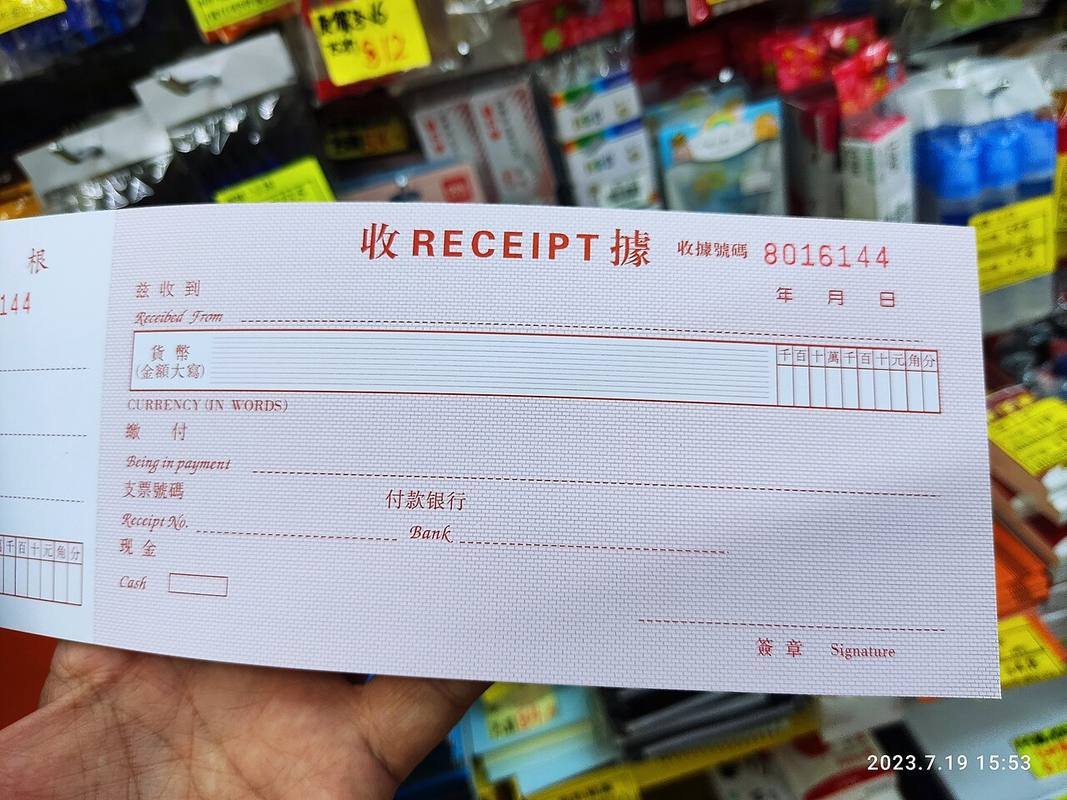
At the top is the seller: a name and often an address. That is who you go back to if something is wrong. A card slip with only the last digits of your card and a total is a payment record. The itemised receipt is the one that lists the goods.
The date and time fix the visit. They matter for a return window and for your own budget. A till number or a receipt number lets the shop find the transaction in its system. Write nothing on that number. It is already the reference.
The lines that matter
Each line is an item, a quantity, and a price. Multi-buy deals and discounts appear as their own lines, often as a minus. Check the quantity. A barcode read twice is a double charge, and the line is where you see it, not in the total alone.
The total is what left your account, or your cash. Above it there may be a tax breakdown. The last four digits of a card, and the word for the kind of payment, show how you paid. Keep that if you might need to show the bank which payment you mean.
Keeping it
A refund receipt is a separate note, with its own total, often negative. Keep it with the original until the money has returned. A promise at the desk is harder to lean on than the paper, or the email, that records the refund.
You do not need every receipt forever. Keep the ones for anything you might return, anything under warranty, and anything large enough to argue about. The rest can go once you have checked them against the statement.
The lines that matter
A receipt is the seller’s note of what you paid. It should show who sold it, when, what you bought, and the amount. At the top is the seller: a name and often an address. That is who you go back to if something is wrong.
Put those two statements side by side. The first sets the condition. The second says what happens once that condition is met. How to read a receipt needs both. Drop the first and the second has nothing to explain. Drop the second and the first is only the scene.
Keeping it
That is who you go back to if something is wrong. A card slip with only the last digits of your card and a total is a payment record.
The order is the explanation. What the first sentence names has to be there before the result in the second sentence can show up. The piece does not ask you to accept the result first and hunt for a cause afterwards.
A check you can make
A card slip with only the last digits of your card and a total is a payment record. The itemised receipt is the one that lists the goods.
A fair check is sequential. Confirm the first statement. Then see whether the second is the result of it, rather than a separate fact parked in the same piece. If the result shows up without the condition, this account does not cover what you are looking at.
The limit of the claim
The itemised receipt is the one that lists the goods. The date and time fix the visit.
The two statements do different jobs. One says what is there, what it is made of, or what acts on it. The other says the change that follows. The title names the change. It is not an inventory of parts.
The same steps, in order
The date and time fix the visit. They matter for a return window and for your own budget.
Nothing in the second statement cancels the first. It carries the first forward or marks the limit of it. Remember only the result, and the cause goes missing. Remember only the cause, and you will not know what the piece says happens next.
Why the order matters
They matter for a return window and for your own budget. A till number or a receipt number lets the shop find the transaction in its system.
Read them as one path. Start at the first full stop and do not skip to the outcome. The words between the two statements are the mechanism. The title is the name of that path, not a second claim.
Condition, then outcome
A till number or a receipt number lets the shop find the transaction in its system. Write nothing on that number.
The first statement can be true and still not finish the job. The second statement is the job finishing. Hold both, and the paragraph above stops being a list. It becomes the reason the title is worded as it is.
What the title is naming
Write nothing on that number. It is already the reference.
If you wanted a shorter version, it would be those two sentences and nothing else. Everything added around them is there so the dependence is obvious: the second does not happen unless the first has happened.
What has to come first
It is already the reference. Each line is an item, a quantity, and a price.
Put those two statements side by side. The first sets the condition. The second says what happens once that condition is met. How to read a receipt needs both. Drop the first and the second has nothing to explain. Drop the second and the first is only the scene.
The result that follows
Each line is an item, a quantity, and a price. Multi-buy deals and discounts appear as their own lines, often as a minus.
The order is the explanation. What the first sentence names has to be there before the result in the second sentence can show up. The piece does not ask you to accept the result first and hunt for a cause afterwards.
A check you can make
Multi-buy deals and discounts appear as their own lines, often as a minus. Check the quantity.
A fair check is sequential. Confirm the first statement. Then see whether the second is the result of it, rather than a separate fact parked in the same piece. If the result shows up without the condition, this account does not cover what you are looking at.
The limit of the claim
Check the quantity. A barcode read twice is a double charge, and the line is where you see it, not in the total alone.
The two statements do different jobs. One says what is there, what it is made of, or what acts on it. The other says the change that follows. The title names the change. It is not an inventory of parts.
The same steps, in order
A barcode read twice is a double charge, and the line is where you see it, not in the total alone. The total is what left your account, or your cash.
Nothing in the second statement cancels the first. It carries the first forward or marks the limit of it. Remember only the result, and the cause goes missing. Remember only the cause, and you will not know what the piece says happens next.
Why the order matters
The total is what left your account, or your cash. Above it there may be a tax breakdown.
Read them as one path. Start at the first full stop and do not skip to the outcome. The words between the two statements are the mechanism. The title is the name of that path, not a second claim.
Condition, then outcome
Above it there may be a tax breakdown. The last four digits of a card, and the word for the kind of payment, show how you paid.
The first statement can be true and still not finish the job. The second statement is the job finishing. Hold both, and the paragraph above stops being a list. It becomes the reason the title is worded as it is.
No correction has been appended to this story. If a line is wrong, tell the newsroom.