
UK inflation rose to 3.5% in September
Consumer prices rose 3.5% in the 12 months to September 2026, up from 3.1% in August. Motor fuels made the largest upward contribution.
Listen is a Plus feature Upgrade
Listening is not supported in this browser.
The Consumer Prices Index rose by 3.5% in the 12 months to September 2026, up from 3.1% in August, according to figures published by the Office for National Statistics on 21 October.
On a monthly basis, CPI rose by 0.4% in September. The wider CPIH measure, which includes owner occupiers' housing costs, rose by 3.6% in the 12 months to September, up from 3.3% in August. CPIH also rose by 0.4% on the month.
Where the rise came from
Transport, particularly motor fuels, made the largest upward contribution to the change in the annual rate. Restaurants and hotels made the largest downward contribution, partly offsetting it. Transport prices as a whole rose by 6.6% in the 12 months to September, up from 4.6% in August.
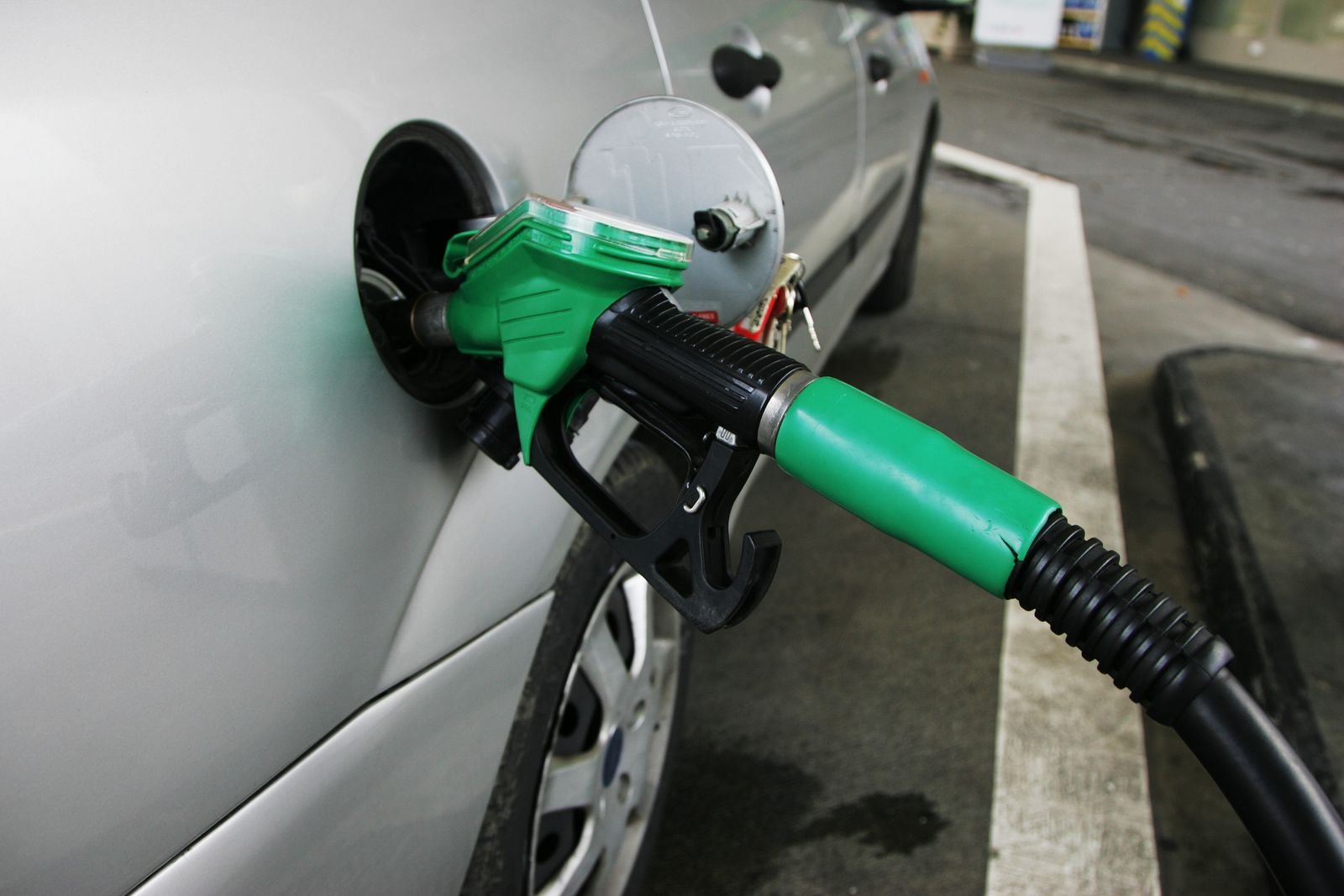
The average price of petrol stood at 169.5 pence per litre in September, up 8.2 pence from August. That is the highest level since August 2022. Diesel averaged 192.5 pence per litre, up 10.7 pence, the highest since July 2022. Over the year, motor fuel prices rose by 29.8%.
Kerosene, used for home heating in some households, was 22.7% higher than a year earlier. Air fares fell by 19.5% between August and September.
Food, goods and services
Annual inflation for food and non-alcoholic drinks was 1.3% in September, unchanged from August. The rate was last lower in September 2021. On the month, food prices fell by 0.2%, the same fall as a year earlier.
Housing and household services rose by 4.5% over the year, up from 4.3%. That division has made the largest contribution to the CPIH rate every month since July 2024. Recreation and culture prices rose by 2.3% over the year, up from 1.6%.
Goods inflation rose to 3.2%, from 2.7% in August. Services inflation rose to 3.7%, from 3.4%. Core CPI, which leaves out energy, food, alcohol and tobacco, rose by 2.8% in the 12 months to September, up from 2.6%. Core CPIH rose by 3.1%, up from 2.9%.
The Retail Prices Index, an older measure that the ONS publishes alongside CPI and CPIH, rose by 3.9% over the year.
Comparisons and timing
The ONS release compared the UK with other European countries. The comparable annual rate was 3.4% in France and 3.3% in Germany.
Prices for the September index were collected around 15 September. Changes after that date, including any later moves in pump prices, fall into later months.
What the measures are
CPI tracks the price of a fixed basket of goods and services bought by households. The basket is reviewed each year, and each item is weighted by how much households spend on it. A rise in the annual rate means prices are climbing faster than they were. It does not mean prices were falling before.
CPIH is the ONS's lead measure because it adds the cost of living in a home that the occupier owns. CPI remains the measure used for the government's inflation target, which the Bank of England is asked to meet.
What comes next
The next release, covering October 2026, is due on 18 November.
No correction has been appended to this story. If a line is wrong, tell the newsroom.