
How dew forms on grass
Dew is water the night air leaves on cold grass. It is not rain that failed to soak in.
Listen is a Plus feature Upgrade
Listening is not supported in this browser.
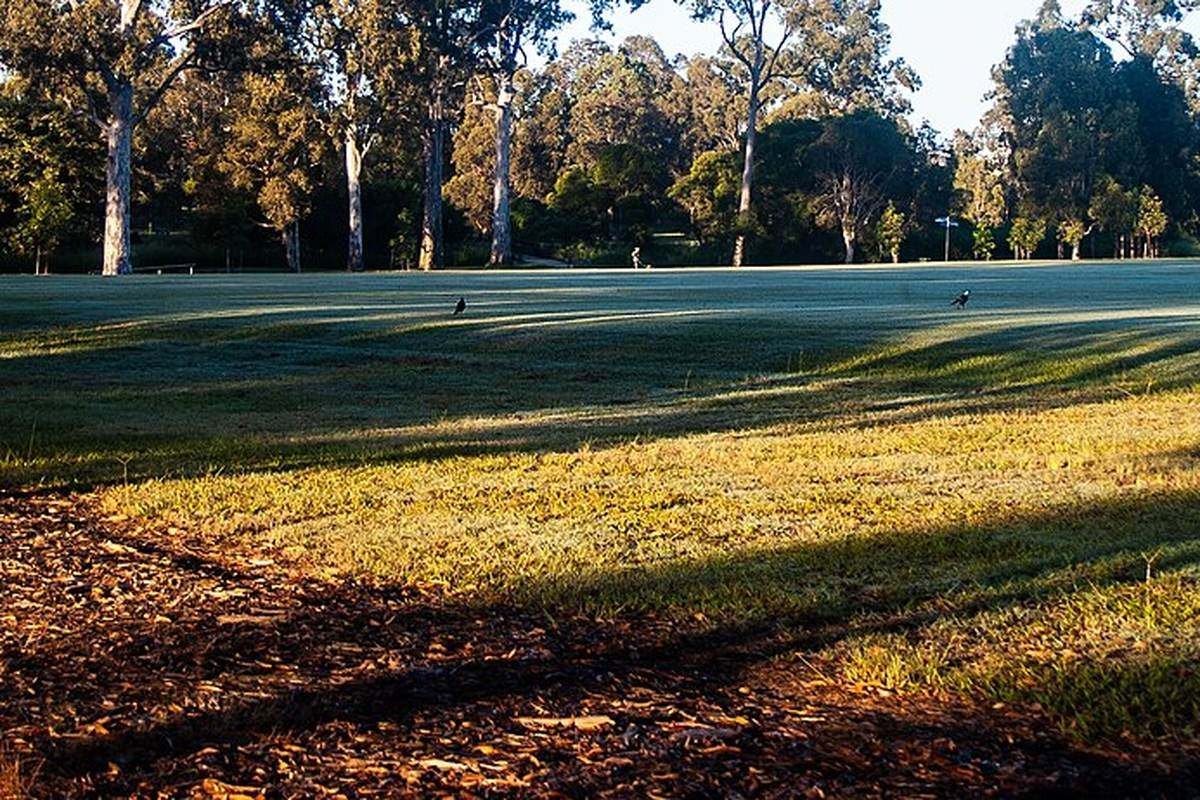
Air always holds some water as vapour, even when the day feels dry. How much it can hold depends on its temperature. Warm air can carry more vapour than cold air. After sunset the ground loses heat to the sky, and the grass, which is thin and exposed, cools faster than the air a metre above it.
When the air next to that cold grass is cooled far enough, it can no longer hold all of its vapour. The spare water comes out as tiny drops on the blades. That temperature is the dew point. If the grass stays warmer than the dew point, the vapour stays in the air and the lawn stays dry.
A cold surface
The drops form on the surface. They do not fall from a cloud. That is the difference from rain and from drizzle. A dew drop sits where the blade was coldest, often along the edge, and it grows as more vapour meets the same cold spot. By dawn a lawn can look as if it has been watered.
A clear, still night makes dew more likely. Cloud acts as a blanket and slows the cooling. Wind keeps mixing warmer air down onto the grass, so the surface does not stay at the dew point for long. A sheltered hollow on a clear night is a reliable place to find it.
Why the lawn is wet and the path is not
A path, a stone, or a bare patch of soil often stays drier than the grass beside it. Those surfaces hold more heat from the day and cool more slowly. The grass has little mass, so its temperature drops first. Dew prefers the thing that got cold, not the thing that merely got dark.
If the surface cools below freezing, the same vapour may form ice crystals instead of liquid drops. That is hoar frost, not dew. The cause is the same: air giving up water because a surface got colder than the air could support. The lawn is simply the place you notice it first.
A cold surface
Dew is water the night air leaves on cold grass. It is not rain that failed to soak in. Air always holds some water as vapour, even when the day feels dry. How much it can hold depends on its temperature.
Put those two statements side by side. The first sets the condition. The second says what happens once that condition is met. How dew forms on grass needs both. Drop the first and the second has nothing to explain. Drop the second and the first is only the scene.
Why the lawn is wet and the path is not
How much it can hold depends on its temperature. Warm air can carry more vapour than cold air.
The order is the explanation. What the first sentence names has to be there before the result in the second sentence can show up. The piece does not ask you to accept the result first and hunt for a cause afterwards.
A check you can make
Warm air can carry more vapour than cold air. After sunset the ground loses heat to the sky, and the grass, which is thin and exposed, cools faster than the air a metre above it.
A fair check is sequential. Confirm the first statement. Then see whether the second is the result of it, rather than a separate fact parked in the same piece. If the result shows up without the condition, this account does not cover what you are looking at.
The limit of the claim
After sunset the ground loses heat to the sky, and the grass, which is thin and exposed, cools faster than the air a metre above it. When the air next to that cold grass is cooled far enough, it can no longer hold all of its vapour.
The two statements do different jobs. One says what is there, what it is made of, or what acts on it. The other says the change that follows. The title names the change. It is not an inventory of parts.
The same steps, in order
When the air next to that cold grass is cooled far enough, it can no longer hold all of its vapour. The spare water comes out as tiny drops on the blades.
Nothing in the second statement cancels the first. It carries the first forward or marks the limit of it. Remember only the result, and the cause goes missing. Remember only the cause, and you will not know what the piece says happens next.
Why the order matters
The spare water comes out as tiny drops on the blades. That temperature is the dew point.
Read them as one path. Start at the first full stop and do not skip to the outcome. The words between the two statements are the mechanism. The title is the name of that path, not a second claim.
Condition, then outcome
That temperature is the dew point. If the grass stays warmer than the dew point, the vapour stays in the air and the lawn stays dry.
The first statement can be true and still not finish the job. The second statement is the job finishing. Hold both, and the paragraph above stops being a list. It becomes the reason the title is worded as it is.
No correction has been appended to this story. If a line is wrong, tell the newsroom.