
How a hedgehog hibernates
A hedgehog spends the cold months in a nest, with its body slowed down. It is living off fat laid down in autumn.
Listen is a Plus feature Upgrade
Listening is not supported in this browser.
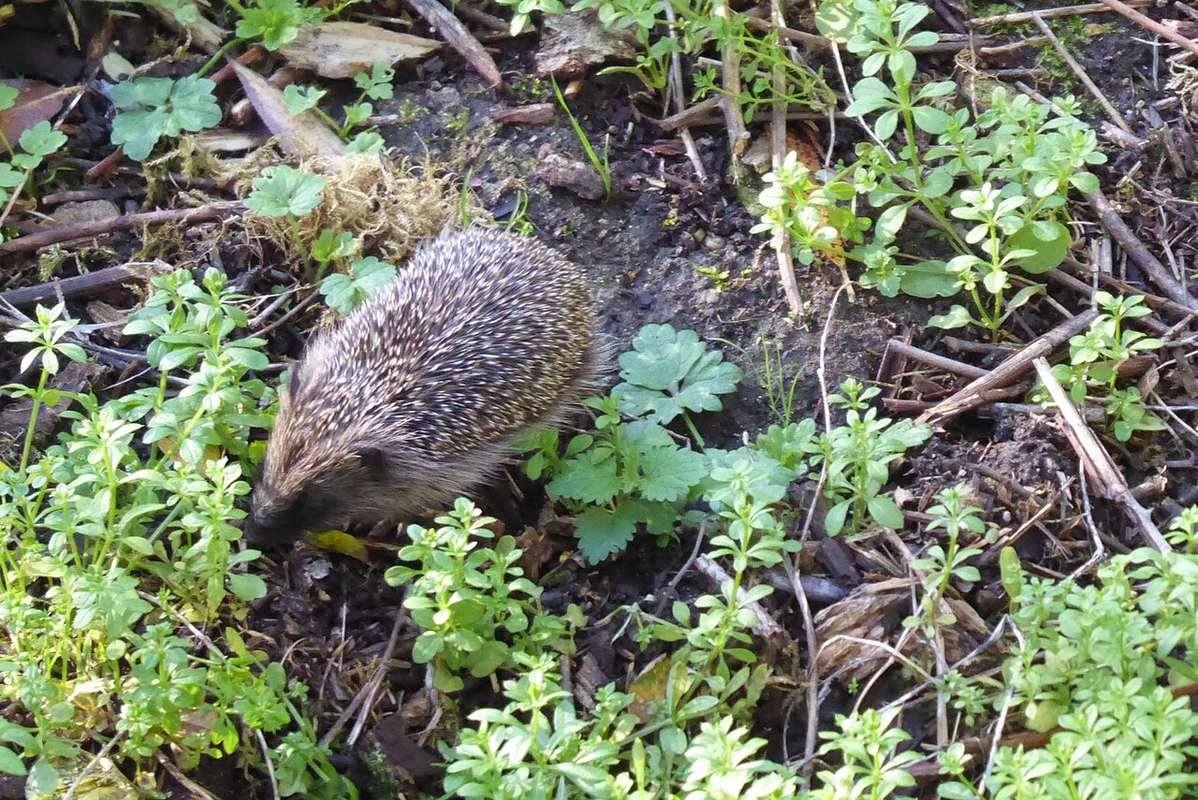
In Britain the hedgehog is a familiar night forager, taking beetles, caterpillars, worms, and similar small prey. As autumn cools and that food thins, the animal looks for a place to wait out winter.
The winter nest, sometimes called a hibernaculum, is a ball of leaves and grass stuffed under a hedge, a shed, a log pile, or a compost heap. The leaves trap air, which insulates the animal inside.
Building the hibernaculum
During hibernation the hedgehog’s body temperature falls and its heart and breathing slow. It is not dead and it is not merely asleep in the ordinary sense. It is using far less energy, drawing on the fat it stored.
A mild spell can wake hedgehogs, and they may move nest or even forage briefly. Each waking costs energy. A winter of many disturbances is harder on the fat store than a steady cold spell.
Waking is not instant
Bonfires built on a heap of branches are a known hazard, because a hedgehog may already be nesting in the pile. Moving the material before lighting, or building the fire on the day it is lit, avoids that.
In spring, hedgehogs emerge thin and need to feed. A gap under a fence, a pond with a gentle edge so they can climb out, and a quiet corner of leaves are the practical helps a garden can offer. Milk is not suitable. Water is.
Building the hibernaculum
A hedgehog spends the cold months in a nest, with its body slowed down. It is living off fat laid down in autumn. In Britain the hedgehog is a familiar night forager, taking beetles, caterpillars, worms, and similar small prey. As autumn cools and that food thins, the animal looks for a place to wait out winter.
Put those two statements side by side. The first sets the condition. The second says what happens once that condition is met. How a hedgehog hibernates needs both. Drop the first and the second has nothing to explain. Drop the second and the first is only the scene.
Waking is not instant
As autumn cools and that food thins, the animal looks for a place to wait out winter. The winter nest, sometimes called a hibernaculum, is a ball of leaves and grass stuffed under a hedge, a shed, a log pile, or a compost heap.
The order is the explanation. What the first sentence names has to be there before the result in the second sentence can show up. The piece does not ask you to accept the result first and hunt for a cause afterwards.
A check you can make
The winter nest, sometimes called a hibernaculum, is a ball of leaves and grass stuffed under a hedge, a shed, a log pile, or a compost heap. The leaves trap air, which insulates the animal inside.
A fair check is sequential. Confirm the first statement. Then see whether the second is the result of it, rather than a separate fact parked in the same piece. If the result shows up without the condition, this account does not cover what you are looking at.
The limit of the claim
The leaves trap air, which insulates the animal inside. During hibernation the hedgehog’s body temperature falls and its heart and breathing slow.
The two statements do different jobs. One says what is there, what it is made of, or what acts on it. The other says the change that follows. The title names the change. It is not an inventory of parts.
The same steps, in order
During hibernation the hedgehog’s body temperature falls and its heart and breathing slow. It is not dead and it is not merely asleep in the ordinary sense.
Nothing in the second statement cancels the first. It carries the first forward or marks the limit of it. Remember only the result, and the cause goes missing. Remember only the cause, and you will not know what the piece says happens next.
Why the order matters
It is not dead and it is not merely asleep in the ordinary sense. It is using far less energy, drawing on the fat it stored.
Read them as one path. Start at the first full stop and do not skip to the outcome. The words between the two statements are the mechanism. The title is the name of that path, not a second claim.
Condition, then outcome
It is using far less energy, drawing on the fat it stored. A mild spell can wake hedgehogs, and they may move nest or even forage briefly.
The first statement can be true and still not finish the job. The second statement is the job finishing. Hold both, and the paragraph above stops being a list. It becomes the reason the title is worded as it is.
What the title is naming
A mild spell can wake hedgehogs, and they may move nest or even forage briefly. Each waking costs energy.
If you wanted a shorter version, it would be those two sentences and nothing else. Everything added around them is there so the dependence is obvious: the second does not happen unless the first has happened.
What has to come first
Each waking costs energy. A winter of many disturbances is harder on the fat store than a steady cold spell.
Put those two statements side by side. The first sets the condition. The second says what happens once that condition is met. How a hedgehog hibernates needs both. Drop the first and the second has nothing to explain. Drop the second and the first is only the scene.
No correction has been appended to this story. If a line is wrong, tell the newsroom.