
How the tides rise and fall
The sea does not slosh at random. The Moon and the Sun pull on it, and the coast shapes the result.
Listen is a Plus feature Upgrade
Listening is not supported in this browser.
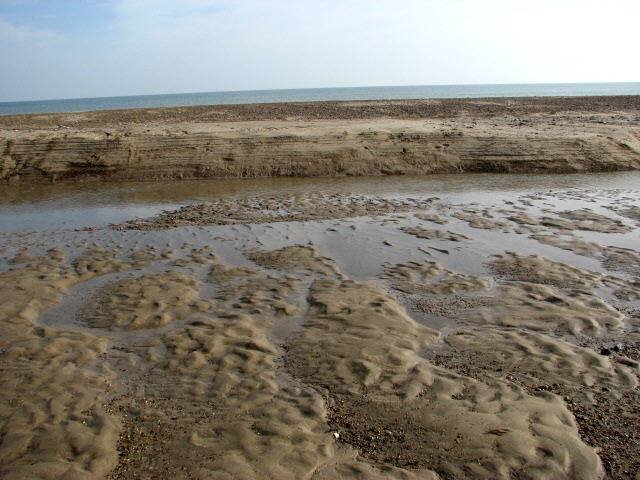
Most coasts see two high tides and two low tides in a little more than a day. The water is not being pushed by the wind alone. It is responding to gravity.
The Moon’s gravity tugs at the Earth. It pulls the ocean facing the Moon into a bulge. On the far side, the Earth itself is pulled slightly away from the water, which leaves a second bulge. As the Earth turns, a coast passes through each bulge and the tide rises.
The pull of the Moon
The Sun pulls as well, though from much farther away its effect is smaller. When the Sun, Moon, and Earth line up, around new moon and full moon, the pulls add together. Those are spring tides, with a larger gap between high and low water. The name has nothing to do with the season.
When the Sun and Moon pull at right angles, around the quarter moons, the tides are smaller. Those are neap tides. The cycle from one new moon to the next is about a month, so the pattern of springs and neaps repeats through that month.
Why the height changes
The shape of the coast matters as much as the sky. A wide ocean basin and a narrowing bay can pile water up, which is why the Severn estuary has a famous tidal range. A nearly enclosed sea, such as the Mediterranean, has a much smaller tide.
Wind and air pressure can still lift or drop the water on a particular day. The timetable of the tide, though, is set by the orbits, which is why tide tables can be worked out in advance.
The pull of the Moon
The sea does not slosh at random. The Moon and the Sun pull on it, and the coast shapes the result. Most coasts see two high tides and two low tides in a little more than a day. The water is not being pushed by the wind alone.
Put those two statements side by side. The first sets the condition. The second says what happens once that condition is met. How the tides rise and fall needs both. Drop the first and the second has nothing to explain. Drop the second and the first is only the scene.
Why the height changes
The water is not being pushed by the wind alone. It is responding to gravity.
The order is the explanation. What the first sentence names has to be there before the result in the second sentence can show up. The piece does not ask you to accept the result first and hunt for a cause afterwards.
A check you can make
It is responding to gravity. The Moon’s gravity tugs at the Earth.
A fair check is sequential. Confirm the first statement. Then see whether the second is the result of it, rather than a separate fact parked in the same piece. If the result shows up without the condition, this account does not cover what you are looking at.
The limit of the claim
The Moon’s gravity tugs at the Earth. It pulls the ocean facing the Moon into a bulge.
The two statements do different jobs. One says what is there, what it is made of, or what acts on it. The other says the change that follows. The title names the change. It is not an inventory of parts.
The same steps, in order
It pulls the ocean facing the Moon into a bulge. On the far side, the Earth itself is pulled slightly away from the water, which leaves a second bulge.
Nothing in the second statement cancels the first. It carries the first forward or marks the limit of it. Remember only the result, and the cause goes missing. Remember only the cause, and you will not know what the piece says happens next.
Why the order matters
On the far side, the Earth itself is pulled slightly away from the water, which leaves a second bulge. As the Earth turns, a coast passes through each bulge and the tide rises.
Read them as one path. Start at the first full stop and do not skip to the outcome. The words between the two statements are the mechanism. The title is the name of that path, not a second claim.
Condition, then outcome
As the Earth turns, a coast passes through each bulge and the tide rises. The Sun pulls as well, though from much farther away its effect is smaller.
The first statement can be true and still not finish the job. The second statement is the job finishing. Hold both, and the paragraph above stops being a list. It becomes the reason the title is worded as it is.
What the title is naming
The Sun pulls as well, though from much farther away its effect is smaller. When the Sun, Moon, and Earth line up, around new moon and full moon, the pulls add together.
If you wanted a shorter version, it would be those two sentences and nothing else. Everything added around them is there so the dependence is obvious: the second does not happen unless the first has happened.
What has to come first
When the Sun, Moon, and Earth line up, around new moon and full moon, the pulls add together. Those are spring tides, with a larger gap between high and low water.
Put those two statements side by side. The first sets the condition. The second says what happens once that condition is met. How the tides rise and fall needs both. Drop the first and the second has nothing to explain. Drop the second and the first is only the scene.
The result that follows
Those are spring tides, with a larger gap between high and low water. The name has nothing to do with the season.
The order is the explanation. What the first sentence names has to be there before the result in the second sentence can show up. The piece does not ask you to accept the result first and hunt for a cause afterwards.
A check you can make
The name has nothing to do with the season. When the Sun and Moon pull at right angles, around the quarter moons, the tides are smaller.
A fair check is sequential. Confirm the first statement. Then see whether the second is the result of it, rather than a separate fact parked in the same piece. If the result shows up without the condition, this account does not cover what you are looking at.
The limit of the claim
When the Sun and Moon pull at right angles, around the quarter moons, the tides are smaller. Those are neap tides.
The two statements do different jobs. One says what is there, what it is made of, or what acts on it. The other says the change that follows. The title names the change. It is not an inventory of parts.
No correction has been appended to this story. If a line is wrong, tell the newsroom.