
Government report sets out UK examples of the 30by30 nature target
A Defra report on protecting 30% of land and sea by 2030 draws on work from South Georgia to a Scottish island. Global coverage is short of the goal.
Listen is a Plus feature Upgrade
Listening is not supported in this browser.
The Department for Environment, Food and Rural Affairs published a report on 25 October on the international commitment to protect 30% of the world's land and sea by 2030. It is titled From commitment to conservation: Delivering 30by30 for nature and people.
The report runs to 46 pages and has an accessible web version. It is set out in four chapters and draws on examples from the UK and its overseas territories.
Where the target comes from
The 30by30 goal is Target 3 of the Kunming-Montreal Global Biodiversity Framework, agreed in December 2022. It asks countries to make sure that at least 30% of land, inland waters, coastal and marine areas are effectively conserved and managed by 2030.
According to figures cited in the report, as of September 2026 the World Database on Protected and Conserved Areas showed 18.45% of land and inland waters and 10.03% of marine and coastal areas covered worldwide.
South Georgia and the South Sandwich Islands
The report describes the marine protected area around the territory, established in 2012. It covers 1.24 million square kilometres, of which about 470,000 square kilometres are closed to fishing. In 2022 all 3,800 square kilometres of land were made a terrestrial protected area.
The report records about 24,500 humpback whales in the area in 2019 and about 1.98 million fur seals. The Darwin Plus fund has put more than £8 million into nearly 40 projects there.
Big Chalk
Closer to home, the report describes Big Chalk, a partnership of more than 150 organisations working across the chalk landscapes of southern and eastern England. Chalk underlies about 20% of England.
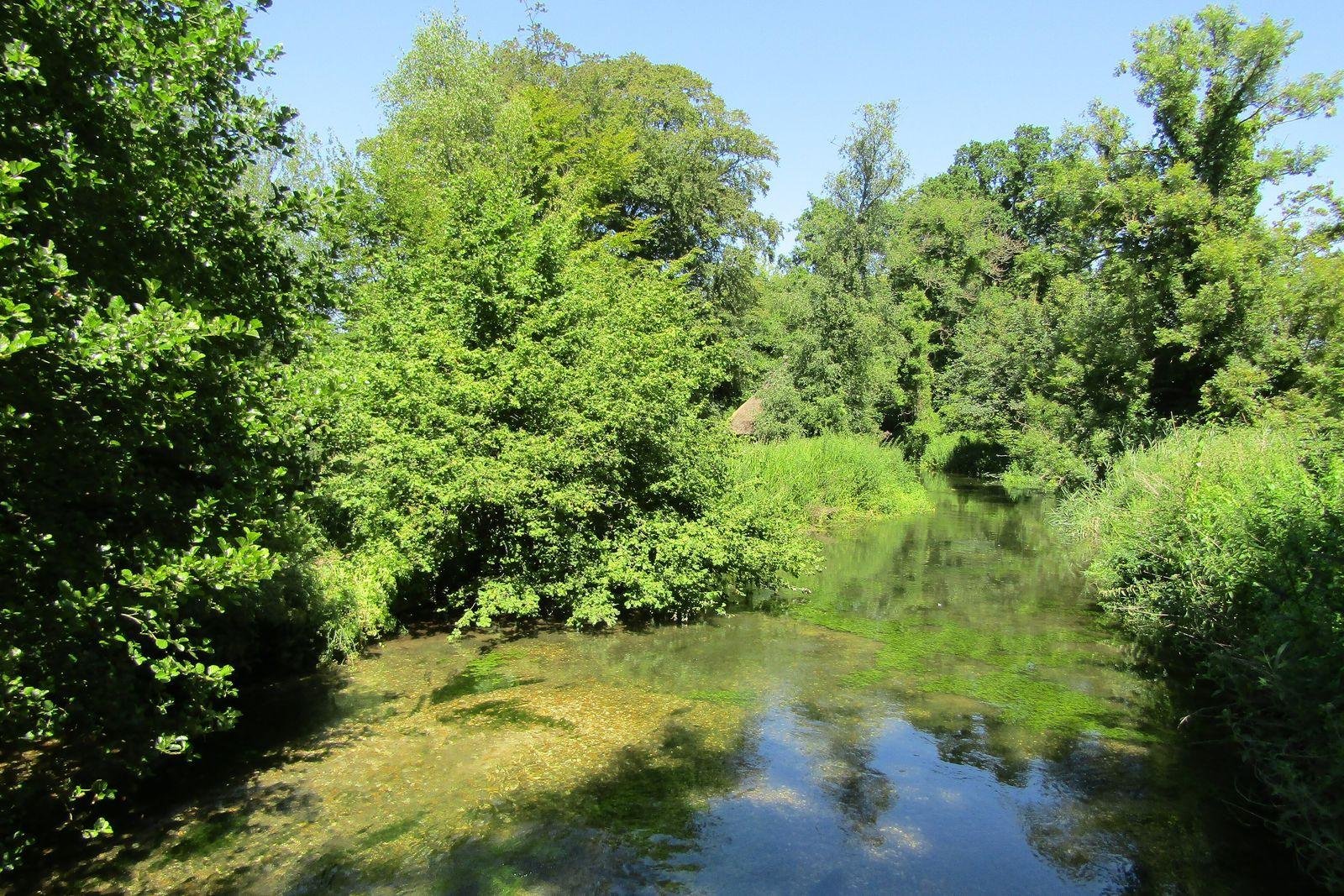
In 2025 the partnership gave £800,000 to 23 projects. The work included restoring 1.4 kilometres of chalk streams in Cambridge and London. Chalk streams are fed by groundwater and run clear and cool, which makes them distinctive habitats.
Fair Isle and Scotland
Fair Isle, between Orkney and Shetland, has about 40 residents. Its waters were designated as a Demonstration and Research Marine Protected Area in 2016. The island supports more than 250,000 seabirds of 18 species, and seabird records there go back to 1969.
The report also points to Glen Falloch Woods Site of Special Scientific Interest and to the Findhorn Hinterland as Scottish examples of land managed for nature.
The money gap
The report sets out the scale of funding involved. Spending on protected areas worldwide is about US$24 billion a year. The estimated need is between about US$100 billion and US$180 billion a year.
The figures underline the distance between the target and the present position, both in area and in money.
No correction has been appended to this story. If a line is wrong, tell the newsroom.