
What causes fog
Fog is a cloud on the ground. It forms when air cools, or takes on moisture, until water vapour condenses into droplets.
Listen is a Plus feature Upgrade
Listening is not supported in this browser.
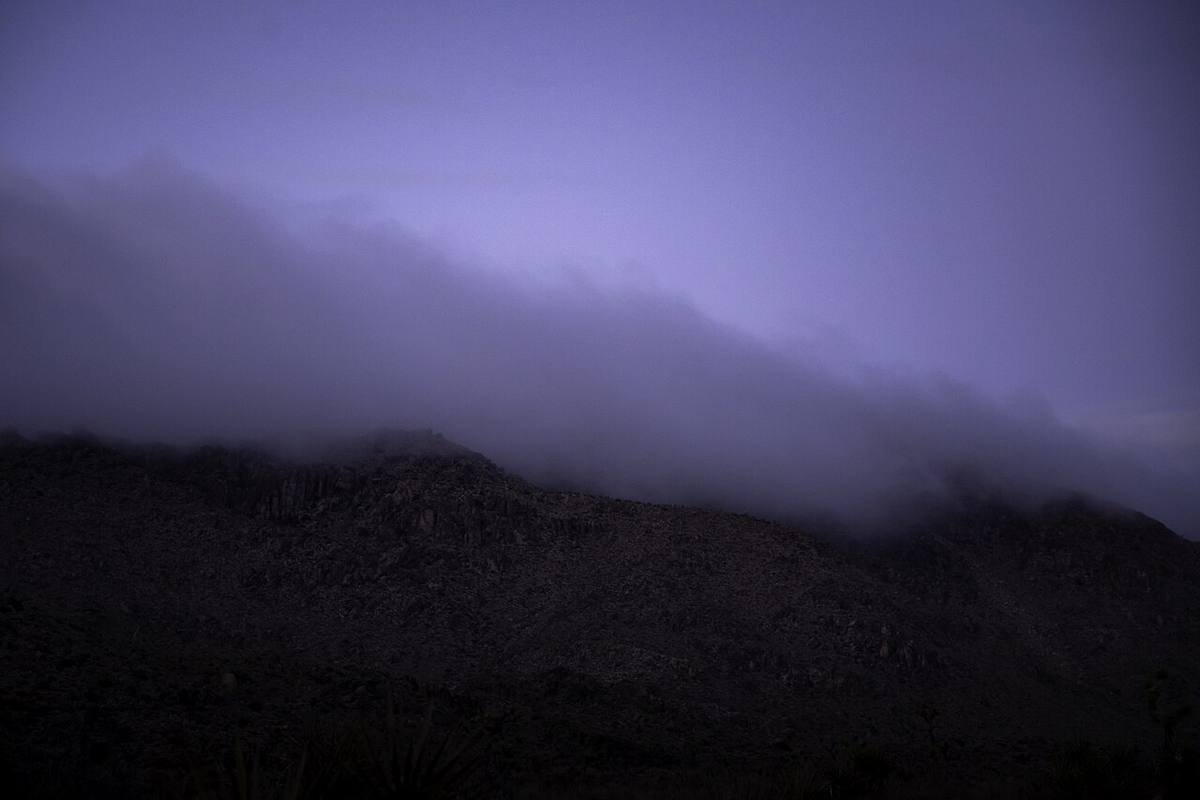
Air can hold only so much water vapour. The warmer it is, the more it can hold. If moist air is cooled to its dew point, the excess water condenses into tiny droplets. Suspended near the ground, those droplets are fog.
Radiation fog is the common night-time kind. After sunset the ground loses heat. The air just above it cools. On a clear, calm night that cooling can be enough to form a shallow fog in valleys and over fields.
Cooling the air
Advection fog forms when moist air moves over a colder surface. Sea fog along a coast often works this way. Warm, damp air from the sea drifts over cooler water or land, and the vapour condenses.
Hill fog is simply cloud wrapped around high ground. Walk up into it and you are inside a cloud. The droplets are the same size range as in a cloud overhead.
When it clears
Freezing fog is fog in air below 0°C. Droplets can stay liquid even though they are colder than the freezing point, then freeze on contact with a road, a cable, or a tree, leaving rime.
Fog clears when the air warms, when wind mixes drier air in, or when the sun heats the ground and lifts the temperature back above the dew point. A breeze that felt unwelcome at dusk can be what opens the morning.
Cooling the air
Fog is a cloud on the ground. It forms when air cools, or takes on moisture, until water vapour condenses into droplets. Air can hold only so much water vapour. The warmer it is, the more it can hold.
Put those two statements side by side. The first sets the condition. The second says what happens once that condition is met. What causes fog needs both. Drop the first and the second has nothing to explain. Drop the second and the first is only the scene.
When it clears
The warmer it is, the more it can hold. If moist air is cooled to its dew point, the excess water condenses into tiny droplets.
The order is the explanation. What the first sentence names has to be there before the result in the second sentence can show up. The piece does not ask you to accept the result first and hunt for a cause afterwards.
A check you can make
If moist air is cooled to its dew point, the excess water condenses into tiny droplets. Suspended near the ground, those droplets are fog.
A fair check is sequential. Confirm the first statement. Then see whether the second is the result of it, rather than a separate fact parked in the same piece. If the result shows up without the condition, this account does not cover what you are looking at.
The limit of the claim
Suspended near the ground, those droplets are fog. Radiation fog is the common night-time kind.
The two statements do different jobs. One says what is there, what it is made of, or what acts on it. The other says the change that follows. The title names the change. It is not an inventory of parts.
The same steps, in order
Radiation fog is the common night-time kind. After sunset the ground loses heat.
Nothing in the second statement cancels the first. It carries the first forward or marks the limit of it. Remember only the result, and the cause goes missing. Remember only the cause, and you will not know what the piece says happens next.
Why the order matters
After sunset the ground loses heat. The air just above it cools.
Read them as one path. Start at the first full stop and do not skip to the outcome. The words between the two statements are the mechanism. The title is the name of that path, not a second claim.
Condition, then outcome
The air just above it cools. On a clear, calm night that cooling can be enough to form a shallow fog in valleys and over fields.
The first statement can be true and still not finish the job. The second statement is the job finishing. Hold both, and the paragraph above stops being a list. It becomes the reason the title is worded as it is.
No correction has been appended to this story. If a line is wrong, tell the newsroom.