
What peat is
Peat is a soil made from plants that did not fully rot. It builds up where the ground stays wet.
Listen is a Plus feature Upgrade
Listening is not supported in this browser.
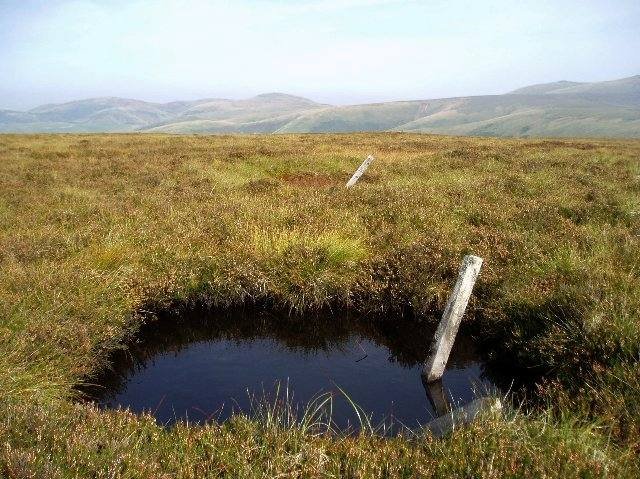
In a bog, the ground is waterlogged and often acidic. Dead moss, sedge, and other plants fall into that water. Microbes that would normally rot them need air, and the wet peat holds little of it, so the plants decay only partly.
Year by year the partly rotted layer thickens. A deep peat bog can represent thousands of years of that slow build-up. Sphagnum moss is the classic peat-former on many northern bogs, including blanket bog in upland Britain.
Wet ground, slow decay
Peat holds a great deal of water. A healthy bog acts like a sponge, taking up rain and releasing it slowly. When the surface is drained or cut, the peat dries, shrinks, and can wash or blow away.
Because the plants were never fully broken down, peat stores the carbon they took from the air while they were alive. Dry, eroded peat can release that carbon again as it oxidises. Keeping the bog wet keeps the store in place.
Why people cut it
People have cut peat for fuel for centuries. Dried turfs burn. Horticulture has also used peat in composts because it holds water and is low in nutrients, which makes it easy to mix with feeds. Both uses remove the bog’s structure.
A peat profile is also an archive. Pollen grains trapped in the layers record which plants grew nearby at different times. That is one reason intact bogs are valued beyond the fuel they once provided.
Wet ground, slow decay
Peat is a soil made from plants that did not fully rot. It builds up where the ground stays wet. In a bog, the ground is waterlogged and often acidic. Dead moss, sedge, and other plants fall into that water.
Put those two statements side by side. The first sets the condition. The second says what happens once that condition is met. What peat is needs both. Drop the first and the second has nothing to explain. Drop the second and the first is only the scene.
Why people cut it
Dead moss, sedge, and other plants fall into that water. Microbes that would normally rot them need air, and the wet peat holds little of it, so the plants decay only partly.
The order is the explanation. What the first sentence names has to be there before the result in the second sentence can show up. The piece does not ask you to accept the result first and hunt for a cause afterwards.
A check you can make
Microbes that would normally rot them need air, and the wet peat holds little of it, so the plants decay only partly. Year by year the partly rotted layer thickens.
A fair check is sequential. Confirm the first statement. Then see whether the second is the result of it, rather than a separate fact parked in the same piece. If the result shows up without the condition, this account does not cover what you are looking at.
The limit of the claim
Year by year the partly rotted layer thickens. A deep peat bog can represent thousands of years of that slow build-up.
The two statements do different jobs. One says what is there, what it is made of, or what acts on it. The other says the change that follows. The title names the change. It is not an inventory of parts.
The same steps, in order
A deep peat bog can represent thousands of years of that slow build-up. Sphagnum moss is the classic peat-former on many northern bogs, including blanket bog in upland Britain.
Nothing in the second statement cancels the first. It carries the first forward or marks the limit of it. Remember only the result, and the cause goes missing. Remember only the cause, and you will not know what the piece says happens next.
Why the order matters
Sphagnum moss is the classic peat-former on many northern bogs, including blanket bog in upland Britain. Peat holds a great deal of water.
Read them as one path. Start at the first full stop and do not skip to the outcome. The words between the two statements are the mechanism. The title is the name of that path, not a second claim.
Condition, then outcome
Peat holds a great deal of water. A healthy bog acts like a sponge, taking up rain and releasing it slowly.
The first statement can be true and still not finish the job. The second statement is the job finishing. Hold both, and the paragraph above stops being a list. It becomes the reason the title is worded as it is.
What the title is naming
A healthy bog acts like a sponge, taking up rain and releasing it slowly. When the surface is drained or cut, the peat dries, shrinks, and can wash or blow away.
If you wanted a shorter version, it would be those two sentences and nothing else. Everything added around them is there so the dependence is obvious: the second does not happen unless the first has happened.
What has to come first
When the surface is drained or cut, the peat dries, shrinks, and can wash or blow away. Because the plants were never fully broken down, peat stores the carbon they took from the air while they were alive.
Put those two statements side by side. The first sets the condition. The second says what happens once that condition is met. What peat is needs both. Drop the first and the second has nothing to explain. Drop the second and the first is only the scene.
No correction has been appended to this story. If a line is wrong, tell the newsroom.