
Why leaves change colour in autumn
Green leaves are full of chlorophyll. When that fades, colours that were already there show through.
Listen is a Plus feature Upgrade
Listening is not supported in this browser.
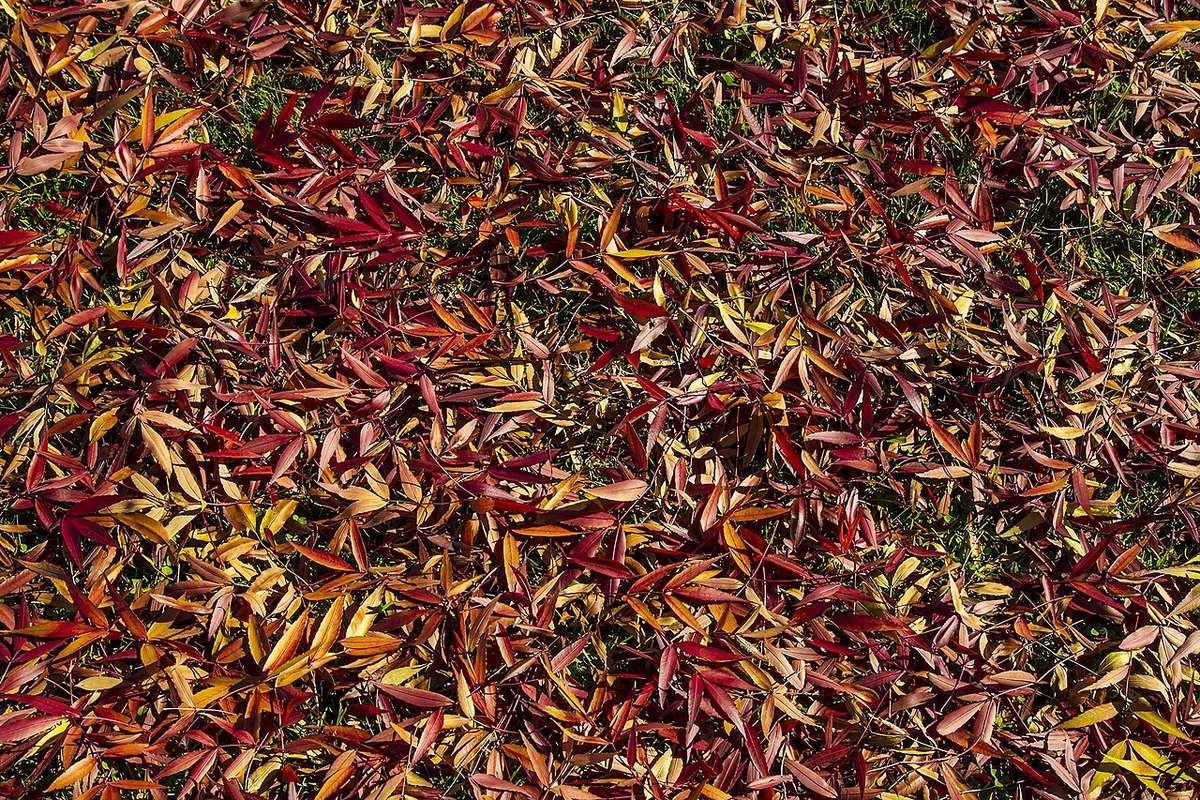
A green leaf is a food factory. Chlorophyll, the pigment that catches light, uses that light to help turn water and carbon dioxide into sugars. The green colour is the light the leaf does not absorb.
Chlorophyll breaks down and has to be replaced all summer. As the days shorten and the nights cool, a deciduous tree starts to close the pipes that feed each leaf. Less new chlorophyll is made, and the green fades.
The green pigment
Yellow and orange pigments, called carotenoids, have been in the leaf all along. They were hidden by the stronger green. When the green goes, those colours remain. Birch and poplar often turn yellow for this reason.
Red and purple come from a different group, the anthocyanins. Many trees make these in autumn from sugars trapped in the leaf. A run of sunny days and cold nights favours that red. Maples are well known for it.
What the tree is doing
The leaf then forms a corky layer at the base of its stalk and drops. Dropping leaves lets the tree ride out winter without trying to keep tender tissue alive through frost and gales.
Evergreens keep their needles or tough leaves because those leaves are built to hold water and resist cold. They still shed old foliage, just not all at once.
The green pigment
Green leaves are full of chlorophyll. When that fades, colours that were already there show through. A green leaf is a food factory. Chlorophyll, the pigment that catches light, uses that light to help turn water and carbon dioxide into sugars.
Put those two statements side by side. The first sets the condition. The second says what happens once that condition is met. Why leaves change colour in autumn needs both. Drop the first and the second has nothing to explain. Drop the second and the first is only the scene.
What the tree is doing
Chlorophyll, the pigment that catches light, uses that light to help turn water and carbon dioxide into sugars. The green colour is the light the leaf does not absorb.
The order is the explanation. What the first sentence names has to be there before the result in the second sentence can show up. The piece does not ask you to accept the result first and hunt for a cause afterwards.
A check you can make
The green colour is the light the leaf does not absorb. Chlorophyll breaks down and has to be replaced all summer.
A fair check is sequential. Confirm the first statement. Then see whether the second is the result of it, rather than a separate fact parked in the same piece. If the result shows up without the condition, this account does not cover what you are looking at.
The limit of the claim
Chlorophyll breaks down and has to be replaced all summer. As the days shorten and the nights cool, a deciduous tree starts to close the pipes that feed each leaf.
The two statements do different jobs. One says what is there, what it is made of, or what acts on it. The other says the change that follows. The title names the change. It is not an inventory of parts.
The same steps, in order
As the days shorten and the nights cool, a deciduous tree starts to close the pipes that feed each leaf. Less new chlorophyll is made, and the green fades.
Nothing in the second statement cancels the first. It carries the first forward or marks the limit of it. Remember only the result, and the cause goes missing. Remember only the cause, and you will not know what the piece says happens next.
Why the order matters
Less new chlorophyll is made, and the green fades. Yellow and orange pigments, called carotenoids, have been in the leaf all along.
Read them as one path. Start at the first full stop and do not skip to the outcome. The words between the two statements are the mechanism. The title is the name of that path, not a second claim.
No correction has been appended to this story. If a line is wrong, tell the newsroom.