
Why a sunset looks red
At sunset the sunlight takes a longer path through the air. Blue is scattered aside, and the light that remains looks red or orange.
Listen is a Plus feature Upgrade
Listening is not supported in this browser.
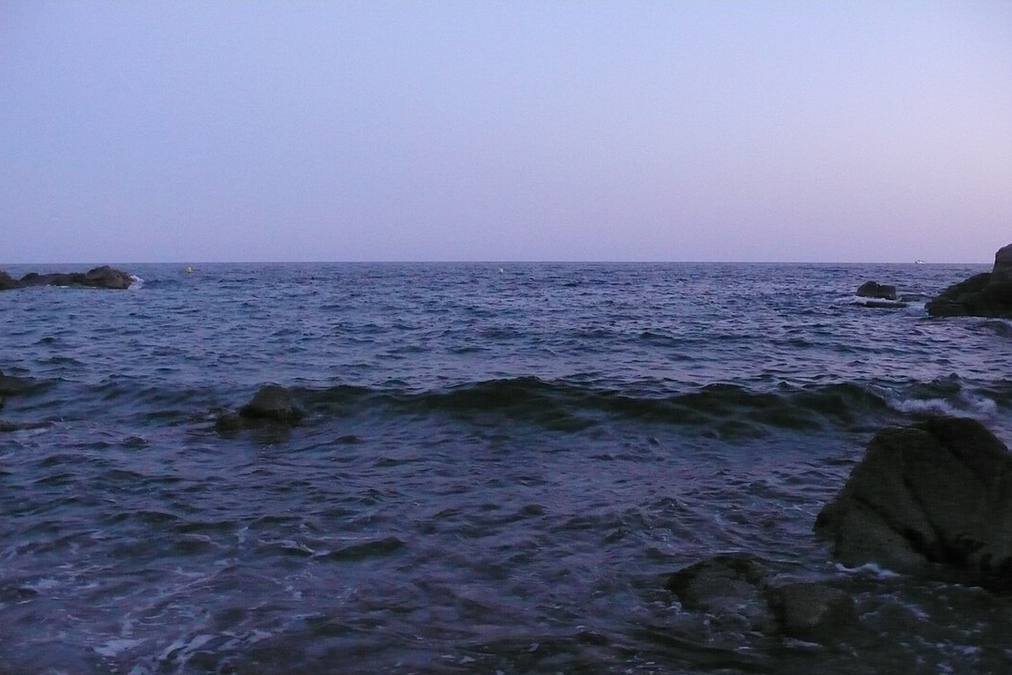
Sunlight looks white, but it is a mix of colours. Air scatters the shorter, bluer wavelengths more readily than the longer, redder ones. At midday the Sun is high. The path through the air is comparatively short, and enough blue is scattered sideways to make the sky look blue while the Sun itself stays bright and pale.
At sunset the Sun is low. Its light reaches you on a slant, through much more air than it did at noon. Along that longer path, still more of the blue and violet is scattered out of the beam. What is left to travel straight to your eye is richer in red, orange, and yellow. The Sun itself can look red. The sky near it follows.
A longer path through the air
The same scattering explains a red sunrise. The geometry is the mirror of sunset: the Sun is low, the path is long, and the blue has been taken out of the direct beam. The time of day does not change the physics. Only the direction of the slant does.
Dust, smoke, and tiny droplets add to the effect. They scatter and absorb still more of the shorter light, so an evening after a dry, dusty day, or downwind of a distant fire, can look deeper red than a clean one. A very clear evening can be orange rather than crimson. Both are the long path doing its work, with different amounts of material in the way.
Dust, cloud, and a clear evening
Cloud does not create the red, but it can display it. A high cloud still in sunlight reflects the reddened beam, which is why a bank of cloud can glow after the Sun has dropped below a rooftop. A thick low cloud simply blocks the view. The colour is in the light, and the cloud is a screen.
None of this needs the Sun to change colour. The Sun is the same star at noon and at dusk. What changes is how much air its light must cross before it reaches the ground, and how much of the blue that air removes on the way.
A longer path through the air
At sunset the sunlight takes a longer path through the air. Blue is scattered aside, and the light that remains looks red or orange. Sunlight looks white, but it is a mix of colours. Air scatters the shorter, bluer wavelengths more readily than the longer, redder ones.
Put those two statements side by side. The first sets the condition. The second says what happens once that condition is met. Why a sunset looks red needs both. Drop the first and the second has nothing to explain. Drop the second and the first is only the scene.
Dust, cloud, and a clear evening
Air scatters the shorter, bluer wavelengths more readily than the longer, redder ones. At midday the Sun is high.
The order is the explanation. What the first sentence names has to be there before the result in the second sentence can show up. The piece does not ask you to accept the result first and hunt for a cause afterwards.
A check you can make
At midday the Sun is high. The path through the air is comparatively short, and enough blue is scattered sideways to make the sky look blue while the Sun itself stays bright and pale.
A fair check is sequential. Confirm the first statement. Then see whether the second is the result of it, rather than a separate fact parked in the same piece. If the result shows up without the condition, this account does not cover what you are looking at.
The limit of the claim
The path through the air is comparatively short, and enough blue is scattered sideways to make the sky look blue while the Sun itself stays bright and pale. At sunset the Sun is low.
The two statements do different jobs. One says what is there, what it is made of, or what acts on it. The other says the change that follows. The title names the change. It is not an inventory of parts.
The same steps, in order
At sunset the Sun is low. Its light reaches you on a slant, through much more air than it did at noon.
Nothing in the second statement cancels the first. It carries the first forward or marks the limit of it. Remember only the result, and the cause goes missing. Remember only the cause, and you will not know what the piece says happens next.
Why the order matters
Its light reaches you on a slant, through much more air than it did at noon. Along that longer path, still more of the blue and violet is scattered out of the beam.
Read them as one path. Start at the first full stop and do not skip to the outcome. The words between the two statements are the mechanism. The title is the name of that path, not a second claim.
Condition, then outcome
Along that longer path, still more of the blue and violet is scattered out of the beam. What is left to travel straight to your eye is richer in red, orange, and yellow.
The first statement can be true and still not finish the job. The second statement is the job finishing. Hold both, and the paragraph above stops being a list. It becomes the reason the title is worded as it is.
No correction has been appended to this story. If a line is wrong, tell the newsroom.