
How a compass finds north
A compass needle is a small magnet. It lines up with the Earth’s magnetic field.
Listen is a Plus feature Upgrade
Listening is not supported in this browser.
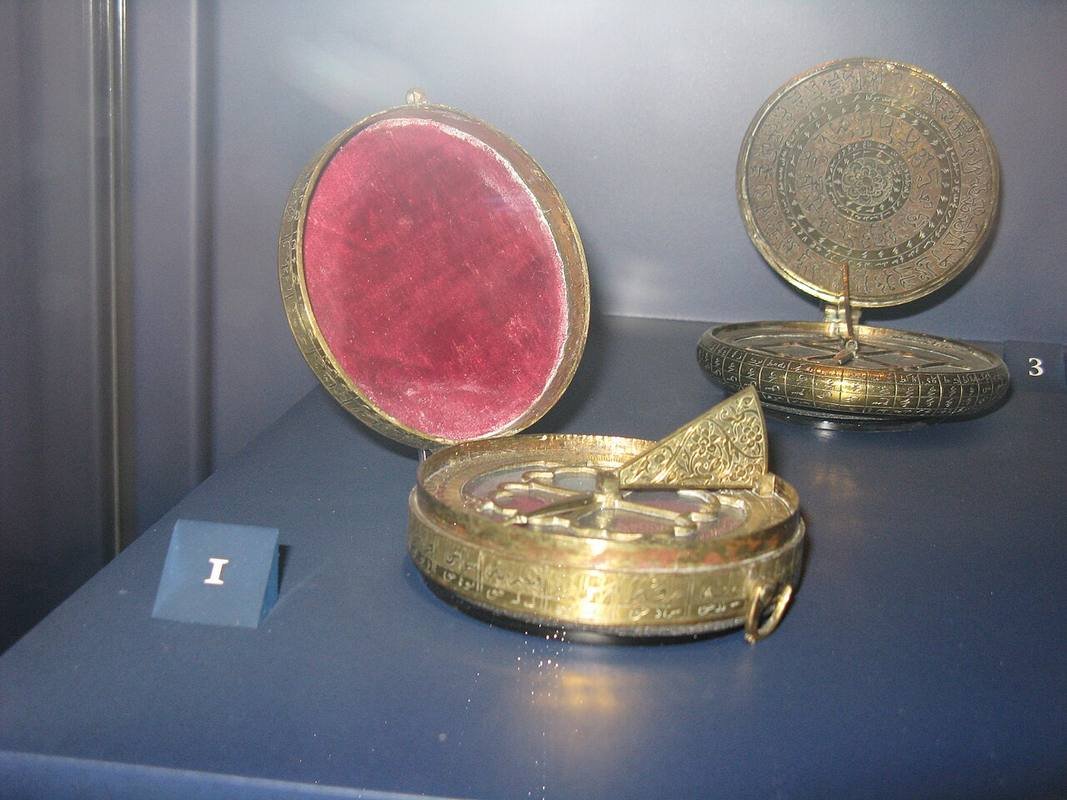
A bar magnet has two poles. Opposite poles attract and like poles repel. Hang a magnet so it can swing, and it will settle along the direction of any magnetic field around it.
The Earth behaves as if it had a huge bar magnet inside it, though the real source is movement in the liquid iron of the outer core. That field reaches the surface. A compass needle, balanced on a pivot, lines up with the horizontal part of the field.
A magnet, free to turn
The end of the needle that points north is the north-seeking pole. In everyday speech we call it the north pole of the needle. It is pulled towards the Earth’s magnetic south, which currently lies in the Arctic. The naming is a historical tangle. The useful fact is that the needle settles north–south.
Magnetic north is not the same point as the geographic North Pole, the place where the Earth’s spin axis meets the surface. The difference between the two, at a given place, is the magnetic declination. Charts mark it because a walker using a compass and a map has to allow for it.
Magnetic north is not the pole
Iron, steel, and electrical kit nearby can pull the needle off the Earth’s field. A compass held against a steel ship’s hull, or next to a phone, may lie. The classic check is to stand clear of metal and let the needle settle.
The field slowly changes, and the magnetic poles wander. Maps are updated for that reason. The compass itself has not changed its job: it still shows the local direction of the field.
A magnet, free to turn
A compass needle is a small magnet. It lines up with the Earth’s magnetic field. A bar magnet has two poles. Opposite poles attract and like poles repel.
Put those two statements side by side. The first sets the condition. The second says what happens once that condition is met. How a compass finds north needs both. Drop the first and the second has nothing to explain. Drop the second and the first is only the scene.
Magnetic north is not the pole
Opposite poles attract and like poles repel. Hang a magnet so it can swing, and it will settle along the direction of any magnetic field around it.
The order is the explanation. What the first sentence names has to be there before the result in the second sentence can show up. The piece does not ask you to accept the result first and hunt for a cause afterwards.
A check you can make
Hang a magnet so it can swing, and it will settle along the direction of any magnetic field around it. The Earth behaves as if it had a huge bar magnet inside it, though the real source is movement in the liquid iron of the outer core.
A fair check is sequential. Confirm the first statement. Then see whether the second is the result of it, rather than a separate fact parked in the same piece. If the result shows up without the condition, this account does not cover what you are looking at.
The limit of the claim
The Earth behaves as if it had a huge bar magnet inside it, though the real source is movement in the liquid iron of the outer core. That field reaches the surface.
The two statements do different jobs. One says what is there, what it is made of, or what acts on it. The other says the change that follows. The title names the change. It is not an inventory of parts.
The same steps, in order
That field reaches the surface. A compass needle, balanced on a pivot, lines up with the horizontal part of the field.
Nothing in the second statement cancels the first. It carries the first forward or marks the limit of it. Remember only the result, and the cause goes missing. Remember only the cause, and you will not know what the piece says happens next.
Why the order matters
A compass needle, balanced on a pivot, lines up with the horizontal part of the field. The end of the needle that points north is the north-seeking pole.
Read them as one path. Start at the first full stop and do not skip to the outcome. The words between the two statements are the mechanism. The title is the name of that path, not a second claim.
Condition, then outcome
The end of the needle that points north is the north-seeking pole. In everyday speech we call it the north pole of the needle.
The first statement can be true and still not finish the job. The second statement is the job finishing. Hold both, and the paragraph above stops being a list. It becomes the reason the title is worded as it is.
What the title is naming
In everyday speech we call it the north pole of the needle. It is pulled towards the Earth’s magnetic south, which currently lies in the Arctic.
If you wanted a shorter version, it would be those two sentences and nothing else. Everything added around them is there so the dependence is obvious: the second does not happen unless the first has happened.
What has to come first
It is pulled towards the Earth’s magnetic south, which currently lies in the Arctic. The naming is a historical tangle.
Put those two statements side by side. The first sets the condition. The second says what happens once that condition is met. How a compass finds north needs both. Drop the first and the second has nothing to explain. Drop the second and the first is only the scene.
The result that follows
The naming is a historical tangle. The useful fact is that the needle settles north–south.
The order is the explanation. What the first sentence names has to be there before the result in the second sentence can show up. The piece does not ask you to accept the result first and hunt for a cause afterwards.
A check you can make
The useful fact is that the needle settles north–south. Magnetic north is not the same point as the geographic North Pole, the place where the Earth’s spin axis meets the surface.
A fair check is sequential. Confirm the first statement. Then see whether the second is the result of it, rather than a separate fact parked in the same piece. If the result shows up without the condition, this account does not cover what you are looking at.
The limit of the claim
Magnetic north is not the same point as the geographic North Pole, the place where the Earth’s spin axis meets the surface. The difference between the two, at a given place, is the magnetic declination.
The two statements do different jobs. One says what is there, what it is made of, or what acts on it. The other says the change that follows. The title names the change. It is not an inventory of parts.
No correction has been appended to this story. If a line is wrong, tell the newsroom.