
How a shadow is cast
A shadow is the patch where an object stops the light. The dark shape follows the object, and a wide light source makes the edge soft.
Listen is a Plus feature Upgrade
Listening is not supported in this browser.
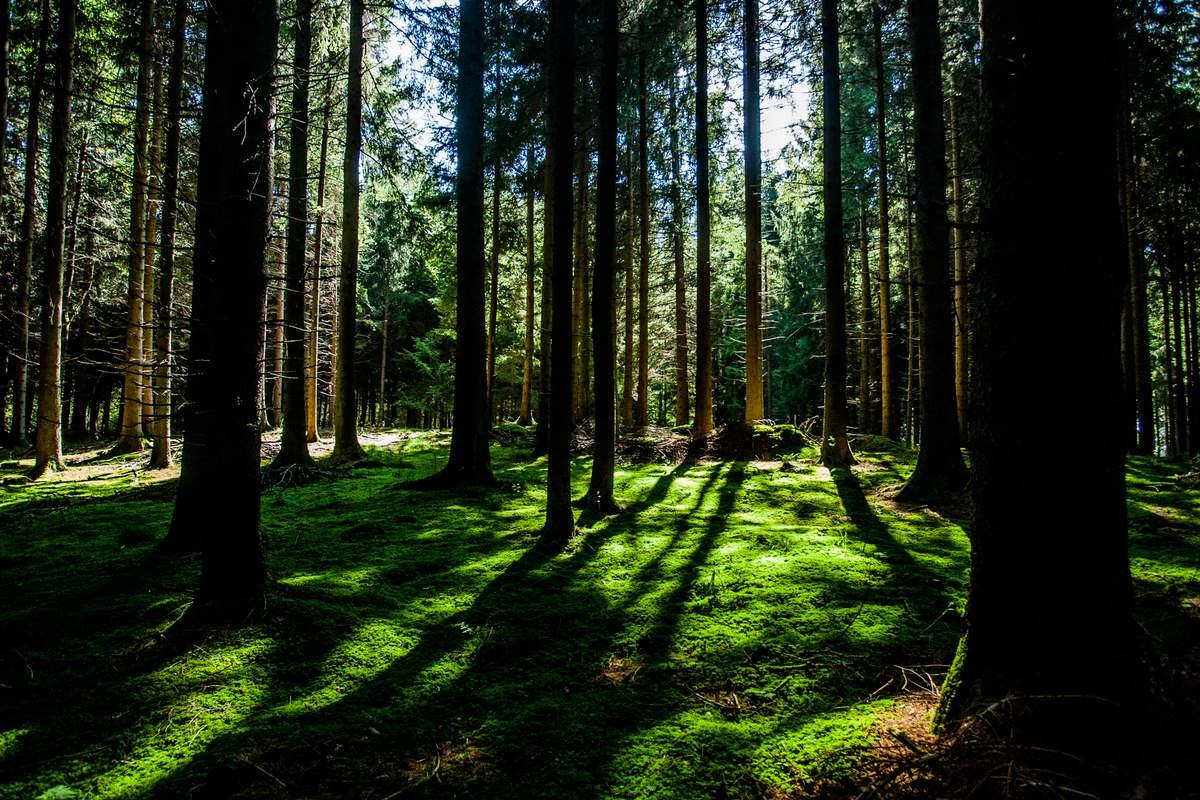
A shadow is not a stain left on the ground. It is the place the light does not reach, because something solid stands in the way.
Light travels in straight lines from a lamp or from the Sun. When a book, a tree, or a fence blocks those lines, the surface behind the object stays dark. That dark patch is the shadow.
A sharp edge or a soft one
A small, distant light makes a hard-edged shadow. The Sun is far away, so on a clear day a tree throws a fairly crisp shape. A nearby lamp looks larger from the ground, and the edge of the shadow blurs. Part of the surface can still see some of the lamp, so it is only dim, not black. That grey border is the penumbra. The darker middle, where the light is fully blocked, is the umbra.
Hold a book close to a wall under a ceiling light and the shadow is fuzzy. Take the same book into strong sun and the outline tightens. The book did not change. What changed is how large the light appears from the surface it falls on.
Why the shadow moves
The Sun crosses the sky through the day, so an outdoor shadow swings and changes length. It is long in the morning and the evening, when the light comes in low, and shorter around the middle of the day, when the light comes from higher up. Move a lamp and a shadow on the wall moves with it.
A clear pane of glass throws little shadow, because most of the light passes through. A sheet of metal throws a dark one, and it also bounces light into places that would otherwise be dim. Colour does not decide the shadow. Whether the light can get through does.
What a shadow is not
The shadow is not a thing the object gives off. Switch the light off and the shadow goes with it. Nothing is left on the floor. Clouds make shadows too, which is why a field darkens and brightens as cloud passes, even though the trees have not moved.
Several lights make several shadows, or they fill one another in. A room with a window and a lamp has a softer dark than a room with only one candle. The rule is the same each time: find the light, then find what stands in its path.
No correction has been appended to this story. If a line is wrong, tell the newsroom.