
How an echo works
An echo is sound that has bounced. You hear it apart from the original when the reflecting surface is far enough away.
Listen is a Plus feature Upgrade
Listening is not supported in this browser.
Sound is a wave of pressure moving through air, water, or a solid. Clap your hands and you push the air. That push travels outward at about 340 metres a second in ordinary air, faster in warmer air and much faster in water and steel.
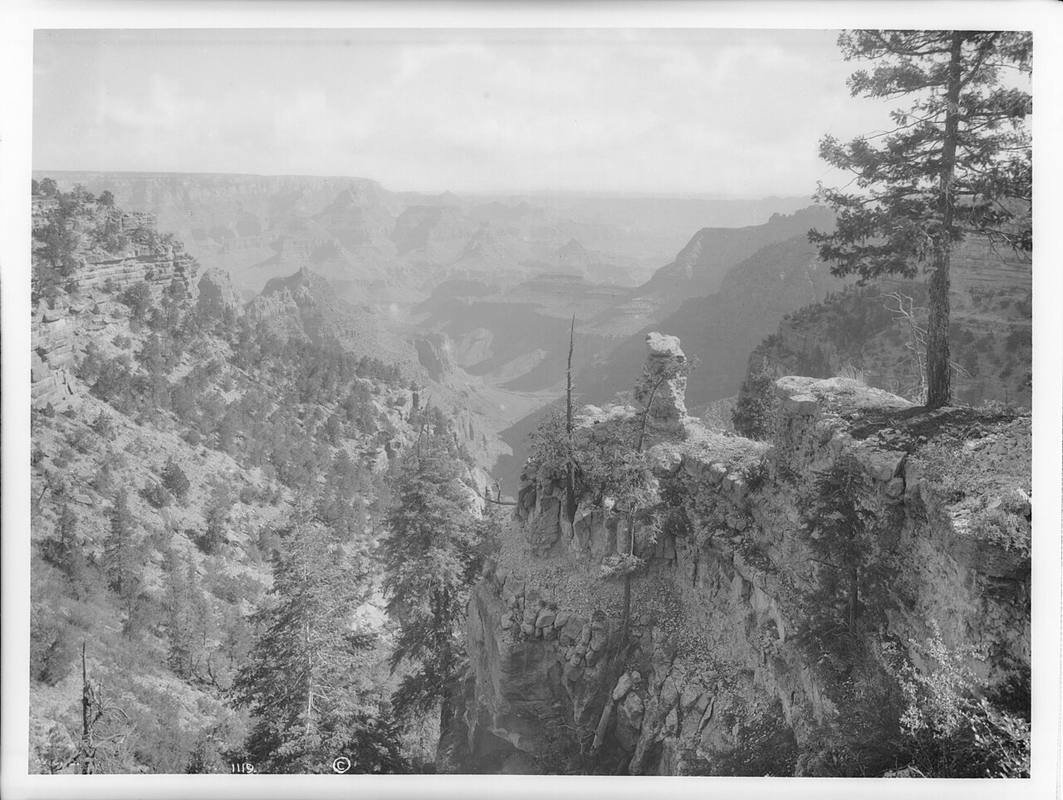
When the wave meets a hard, large surface such as a cliff, a wall, or the far side of a valley, part of it reflects. The reflection travels back. If it returns after a gap you can notice, you hear an echo.
Sound as a pressure wave
A gap of about a tenth of a second is enough for the ear to separate the echo from the original sound. At 340 metres a second, that means the surface needs to be roughly 17 metres away, because the sound goes there and back.
Closer surfaces blend the reflection into the original. That blend is reverberation, the lingering fullness of a church or a bathroom. Soft furnishings, trees, and snow absorb sound and weaken both echo and reverberation.
When the bounce is clear
Shout towards a wall and the echo returns your own voice, a little quieter and sometimes muddier, because not every frequency reflects equally. A curved surface can focus the reflection. A whispering gallery does this on purpose.
Sonar and ultrasound use the same idea with equipment. A pulse goes out, the echo comes back, and the time between them is a distance. Bats do it with their own calls. The classroom version is still the cliff and the clap.
Sound as a pressure wave
An echo is sound that has bounced. You hear it apart from the original when the reflecting surface is far enough away. Sound is a wave of pressure moving through air, water, or a solid. Clap your hands and you push the air.
Put those two statements side by side. The first sets the condition. The second says what happens once that condition is met. How an echo works needs both. Drop the first and the second has nothing to explain. Drop the second and the first is only the scene.
When the bounce is clear
Clap your hands and you push the air. That push travels outward at about 340 metres a second in ordinary air, faster in warmer air and much faster in water and steel.
The order is the explanation. What the first sentence names has to be there before the result in the second sentence can show up. The piece does not ask you to accept the result first and hunt for a cause afterwards.
A check you can make
That push travels outward at about 340 metres a second in ordinary air, faster in warmer air and much faster in water and steel. When the wave meets a hard, large surface such as a cliff, a wall, or the far side of a valley, part of it reflects.
A fair check is sequential. Confirm the first statement. Then see whether the second is the result of it, rather than a separate fact parked in the same piece. If the result shows up without the condition, this account does not cover what you are looking at.
The limit of the claim
When the wave meets a hard, large surface such as a cliff, a wall, or the far side of a valley, part of it reflects. The reflection travels back.
The two statements do different jobs. One says what is there, what it is made of, or what acts on it. The other says the change that follows. The title names the change. It is not an inventory of parts.
The same steps, in order
The reflection travels back. If it returns after a gap you can notice, you hear an echo.
Nothing in the second statement cancels the first. It carries the first forward or marks the limit of it. Remember only the result, and the cause goes missing. Remember only the cause, and you will not know what the piece says happens next.
Why the order matters
If it returns after a gap you can notice, you hear an echo. A gap of about a tenth of a second is enough for the ear to separate the echo from the original sound.
Read them as one path. Start at the first full stop and do not skip to the outcome. The words between the two statements are the mechanism. The title is the name of that path, not a second claim.
Condition, then outcome
A gap of about a tenth of a second is enough for the ear to separate the echo from the original sound. At 340 metres a second, that means the surface needs to be roughly 17 metres away, because the sound goes there and back.
The first statement can be true and still not finish the job. The second statement is the job finishing. Hold both, and the paragraph above stops being a list. It becomes the reason the title is worded as it is.
What the title is naming
At 340 metres a second, that means the surface needs to be roughly 17 metres away, because the sound goes there and back. Closer surfaces blend the reflection into the original.
If you wanted a shorter version, it would be those two sentences and nothing else. Everything added around them is there so the dependence is obvious: the second does not happen unless the first has happened.
No correction has been appended to this story. If a line is wrong, tell the newsroom.