
Why ice floats
Ice is water, yet it floats. The solid is less dense than the liquid because of how the molecules lock together.
Listen is a Plus feature Upgrade
Listening is not supported in this browser.
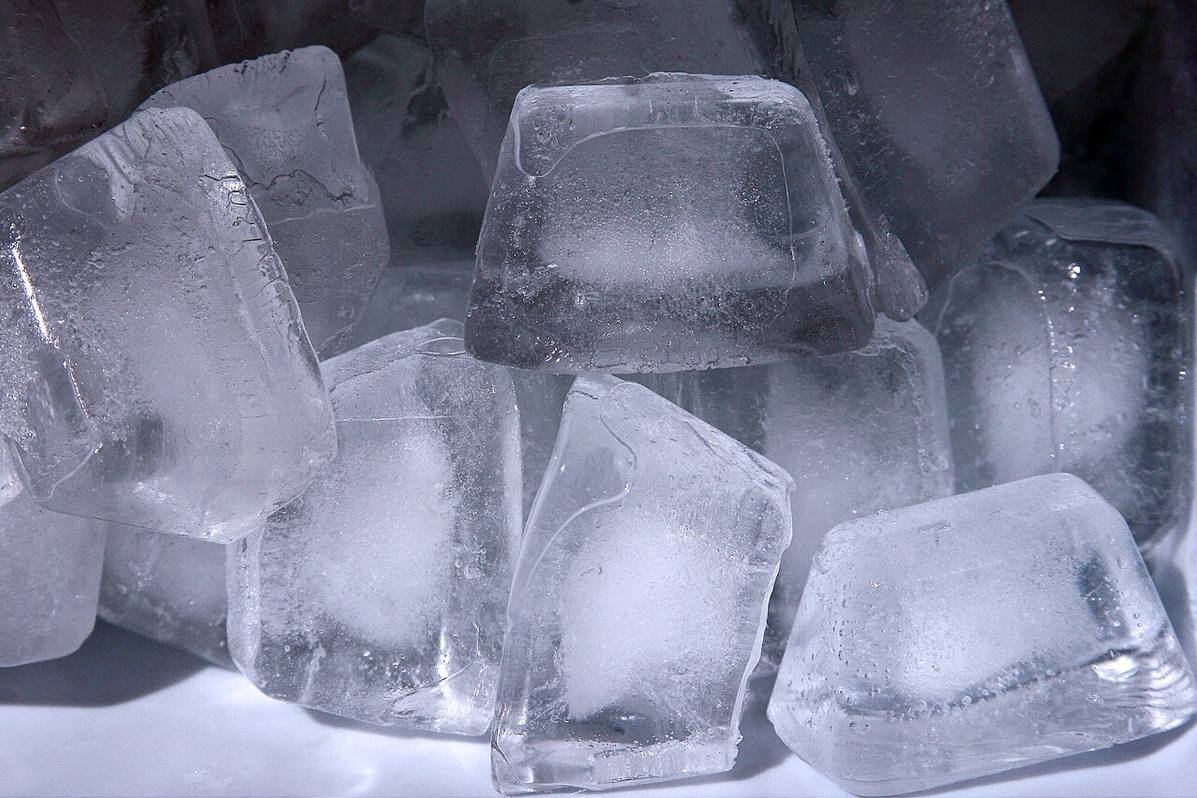
Most substances shrink as they freeze. Water does the opposite near its freezing point. As liquid water cools towards 0°C it becomes denser, until about 4°C. Cool it further and it starts to expand again. When it freezes, it expands more.
The reason is the shape of the molecule and the hydrogen bonds between molecules. In ice, those bonds hold the molecules in an open crystal. The same number of molecules takes up more space than in the liquid, so a block of ice weighs less than the same volume of water.
A more open structure
Anything less dense than the liquid it sits in will float. An ice cube in a glass, a floe on the sea, and an iceberg all sit with part of their volume above the surface. Roughly a tenth of a freshwater ice cube shows above the water. Seawater is denser, so a little more of an iceberg can stand proud, but most of it is still below.
On a pond, the ice forms at the surface. The water beneath, near 4°C, is the densest and stays at the bottom. Fish and insects can remain in that liquid water under the lid of ice, as long as the pond does not freeze solid.
What that means for a pond
Pipes burst in a freeze for the same expansion. Water trapped in a pipe turns to ice, needs more room, and can split the pipe. The leak often shows later, when the ice melts.
Density is mass divided by volume. Ice has the same mass as the water it was made from, in a larger volume. That single fact is the whole of the floating.
A more open structure
Ice is water, yet it floats. The solid is less dense than the liquid because of how the molecules lock together. Most substances shrink as they freeze. Water does the opposite near its freezing point.
Put those two statements side by side. The first sets the condition. The second says what happens once that condition is met. Why ice floats needs both. Drop the first and the second has nothing to explain. Drop the second and the first is only the scene.
What that means for a pond
Water does the opposite near its freezing point. As liquid water cools towards 0°C it becomes denser, until about 4°C.
The order is the explanation. What the first sentence names has to be there before the result in the second sentence can show up. The piece does not ask you to accept the result first and hunt for a cause afterwards.
A check you can make
As liquid water cools towards 0°C it becomes denser, until about 4°C. Cool it further and it starts to expand again.
A fair check is sequential. Confirm the first statement. Then see whether the second is the result of it, rather than a separate fact parked in the same piece. If the result shows up without the condition, this account does not cover what you are looking at.
The limit of the claim
Cool it further and it starts to expand again. When it freezes, it expands more.
The two statements do different jobs. One says what is there, what it is made of, or what acts on it. The other says the change that follows. The title names the change. It is not an inventory of parts.
The same steps, in order
When it freezes, it expands more. The reason is the shape of the molecule and the hydrogen bonds between molecules.
Nothing in the second statement cancels the first. It carries the first forward or marks the limit of it. Remember only the result, and the cause goes missing. Remember only the cause, and you will not know what the piece says happens next.
Why the order matters
The reason is the shape of the molecule and the hydrogen bonds between molecules. In ice, those bonds hold the molecules in an open crystal.
Read them as one path. Start at the first full stop and do not skip to the outcome. The words between the two statements are the mechanism. The title is the name of that path, not a second claim.
Condition, then outcome
In ice, those bonds hold the molecules in an open crystal. The same number of molecules takes up more space than in the liquid, so a block of ice weighs less than the same volume of water.
The first statement can be true and still not finish the job. The second statement is the job finishing. Hold both, and the paragraph above stops being a list. It becomes the reason the title is worded as it is.
What the title is naming
The same number of molecules takes up more space than in the liquid, so a block of ice weighs less than the same volume of water. Anything less dense than the liquid it sits in will float.
If you wanted a shorter version, it would be those two sentences and nothing else. Everything added around them is there so the dependence is obvious: the second does not happen unless the first has happened.
What has to come first
Anything less dense than the liquid it sits in will float. An ice cube in a glass, a floe on the sea, and an iceberg all sit with part of their volume above the surface.
Put those two statements side by side. The first sets the condition. The second says what happens once that condition is met. Why ice floats needs both. Drop the first and the second has nothing to explain. Drop the second and the first is only the scene.
The result that follows
An ice cube in a glass, a floe on the sea, and an iceberg all sit with part of their volume above the surface. Roughly a tenth of a freshwater ice cube shows above the water.
The order is the explanation. What the first sentence names has to be there before the result in the second sentence can show up. The piece does not ask you to accept the result first and hunt for a cause afterwards.
A check you can make
Roughly a tenth of a freshwater ice cube shows above the water. Seawater is denser, so a little more of an iceberg can stand proud, but most of it is still below.
A fair check is sequential. Confirm the first statement. Then see whether the second is the result of it, rather than a separate fact parked in the same piece. If the result shows up without the condition, this account does not cover what you are looking at.
The limit of the claim
Seawater is denser, so a little more of an iceberg can stand proud, but most of it is still below. On a pond, the ice forms at the surface.
The two statements do different jobs. One says what is there, what it is made of, or what acts on it. The other says the change that follows. The title names the change. It is not an inventory of parts.
The same steps, in order
On a pond, the ice forms at the surface. The water beneath, near 4°C, is the densest and stays at the bottom.
Nothing in the second statement cancels the first. It carries the first forward or marks the limit of it. Remember only the result, and the cause goes missing. Remember only the cause, and you will not know what the piece says happens next.
Why the order matters
The water beneath, near 4°C, is the densest and stays at the bottom. Fish and insects can remain in that liquid water under the lid of ice, as long as the pond does not freeze solid.
Read them as one path. Start at the first full stop and do not skip to the outcome. The words between the two statements are the mechanism. The title is the name of that path, not a second claim.
No correction has been appended to this story. If a line is wrong, tell the newsroom.