
How a camera focuses
A camera focuses by moving a lens until the picture of the subject is sharp on the sensor. Autofocus does that movement by measuring the blur and reducing it.
Listen is a Plus feature Upgrade
Listening is not supported in this browser.
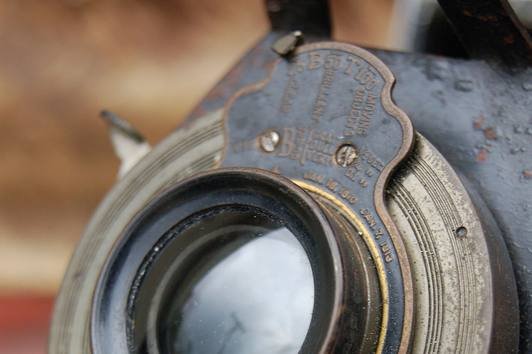
A lens bends light. For a subject at one distance, there is a lens position that lays the image crisply on the sensor. Too near or too far, and each point of the subject becomes a blob. Focus is the search for the position that shrinks the blobs.
You can do it by hand, turning a ring until the view looks sharp. A camera that focuses itself needs a measurement. Contrast detection looks at a patch of the image and moves the lens until the fine detail, the contrast, is as high as it can be. It is accurate and it can be slow, because the camera may have to pass the sharp point and come back.
Sharp on the sensor
Phase detection splits the incoming light and compares two views. The difference says which way the lens should move, and roughly how far. That is why a camera can snap onto a subject without hunting as much. Many phone cameras and most mirrorless cameras put these detectors on the sensor itself.
The camera has to be told which subject. A box on a face, a tap on the screen, or the centre of the frame are the usual answers. If the box is on the background, the background will be sharp and the person will not. The mechanism did what it was asked.
Two ways to measure
Low light and blank surfaces give the measurement little to work on. A plain wall has no detail for contrast, and little for phase. A lamp, or an edge, gives the system something to bite. This is why a dark room defeats autofocus and a window frame does not.
Once the lens is set, depth of field decides how much in front of and behind the subject also looks acceptable. A wide aperture gives a thin slice. A small aperture gives a deeper one. Focus picks the slice. The aperture picks its thickness.
Sharp on the sensor
A camera focuses by moving a lens until the picture of the subject is sharp on the sensor. Autofocus does that movement by measuring the blur and reducing it. A lens bends light. For a subject at one distance, there is a lens position that lays the image crisply on the sensor.
Put those two statements side by side. The first sets the condition. The second says what happens once that condition is met. How a camera focuses needs both. Drop the first and the second has nothing to explain. Drop the second and the first is only the scene.
Two ways to measure
For a subject at one distance, there is a lens position that lays the image crisply on the sensor. Too near or too far, and each point of the subject becomes a blob.
The order is the explanation. What the first sentence names has to be there before the result in the second sentence can show up. The piece does not ask you to accept the result first and hunt for a cause afterwards.
A check you can make
Too near or too far, and each point of the subject becomes a blob. Focus is the search for the position that shrinks the blobs.
A fair check is sequential. Confirm the first statement. Then see whether the second is the result of it, rather than a separate fact parked in the same piece. If the result shows up without the condition, this account does not cover what you are looking at.
The limit of the claim
Focus is the search for the position that shrinks the blobs. You can do it by hand, turning a ring until the view looks sharp.
The two statements do different jobs. One says what is there, what it is made of, or what acts on it. The other says the change that follows. The title names the change. It is not an inventory of parts.
The same steps, in order
You can do it by hand, turning a ring until the view looks sharp. A camera that focuses itself needs a measurement.
Nothing in the second statement cancels the first. It carries the first forward or marks the limit of it. Remember only the result, and the cause goes missing. Remember only the cause, and you will not know what the piece says happens next.
Why the order matters
A camera that focuses itself needs a measurement. Contrast detection looks at a patch of the image and moves the lens until the fine detail, the contrast, is as high as it can be.
Read them as one path. Start at the first full stop and do not skip to the outcome. The words between the two statements are the mechanism. The title is the name of that path, not a second claim.
Condition, then outcome
Contrast detection looks at a patch of the image and moves the lens until the fine detail, the contrast, is as high as it can be. It is accurate and it can be slow, because the camera may have to pass the sharp point and come back.
The first statement can be true and still not finish the job. The second statement is the job finishing. Hold both, and the paragraph above stops being a list. It becomes the reason the title is worded as it is.
What the title is naming
It is accurate and it can be slow, because the camera may have to pass the sharp point and come back. Phase detection splits the incoming light and compares two views.
If you wanted a shorter version, it would be those two sentences and nothing else. Everything added around them is there so the dependence is obvious: the second does not happen unless the first has happened.
What has to come first
Phase detection splits the incoming light and compares two views. The difference says which way the lens should move, and roughly how far.
Put those two statements side by side. The first sets the condition. The second says what happens once that condition is met. How a camera focuses needs both. Drop the first and the second has nothing to explain. Drop the second and the first is only the scene.
The result that follows
The difference says which way the lens should move, and roughly how far. That is why a camera can snap onto a subject without hunting as much.
The order is the explanation. What the first sentence names has to be there before the result in the second sentence can show up. The piece does not ask you to accept the result first and hunt for a cause afterwards.
A check you can make
That is why a camera can snap onto a subject without hunting as much. Many phone cameras and most mirrorless cameras put these detectors on the sensor itself.
A fair check is sequential. Confirm the first statement. Then see whether the second is the result of it, rather than a separate fact parked in the same piece. If the result shows up without the condition, this account does not cover what you are looking at.
The limit of the claim
Many phone cameras and most mirrorless cameras put these detectors on the sensor itself. The camera has to be told which subject.
The two statements do different jobs. One says what is there, what it is made of, or what acts on it. The other says the change that follows. The title names the change. It is not an inventory of parts.
The same steps, in order
The camera has to be told which subject. A box on a face, a tap on the screen, or the centre of the frame are the usual answers.
Nothing in the second statement cancels the first. It carries the first forward or marks the limit of it. Remember only the result, and the cause goes missing. Remember only the cause, and you will not know what the piece says happens next.
Why the order matters
A box on a face, a tap on the screen, or the centre of the frame are the usual answers. If the box is on the background, the background will be sharp and the person will not.
Read them as one path. Start at the first full stop and do not skip to the outcome. The words between the two statements are the mechanism. The title is the name of that path, not a second claim.
Condition, then outcome
If the box is on the background, the background will be sharp and the person will not. The mechanism did what it was asked.
The first statement can be true and still not finish the job. The second statement is the job finishing. Hold both, and the paragraph above stops being a list. It becomes the reason the title is worded as it is.
What the title is naming
The mechanism did what it was asked. Low light and blank surfaces give the measurement little to work on.
If you wanted a shorter version, it would be those two sentences and nothing else. Everything added around them is there so the dependence is obvious: the second does not happen unless the first has happened.
What has to come first
Low light and blank surfaces give the measurement little to work on. A plain wall has no detail for contrast, and little for phase.
Put those two statements side by side. The first sets the condition. The second says what happens once that condition is met. How a camera focuses needs both. Drop the first and the second has nothing to explain. Drop the second and the first is only the scene.
The result that follows
A plain wall has no detail for contrast, and little for phase. A lamp, or an edge, gives the system something to bite.
The order is the explanation. What the first sentence names has to be there before the result in the second sentence can show up. The piece does not ask you to accept the result first and hunt for a cause afterwards.
A check you can make
A lamp, or an edge, gives the system something to bite. This is why a dark room defeats autofocus and a window frame does not.
A fair check is sequential. Confirm the first statement. Then see whether the second is the result of it, rather than a separate fact parked in the same piece. If the result shows up without the condition, this account does not cover what you are looking at.
The limit of the claim
This is why a dark room defeats autofocus and a window frame does not. Once the lens is set, depth of field decides how much in front of and behind the subject also looks acceptable.
The two statements do different jobs. One says what is there, what it is made of, or what acts on it. The other says the change that follows. The title names the change. It is not an inventory of parts.
The same steps, in order
Once the lens is set, depth of field decides how much in front of and behind the subject also looks acceptable. A wide aperture gives a thin slice.
Nothing in the second statement cancels the first. It carries the first forward or marks the limit of it. Remember only the result, and the cause goes missing. Remember only the cause, and you will not know what the piece says happens next.
Why the order matters
A wide aperture gives a thin slice. A small aperture gives a deeper one.
Read them as one path. Start at the first full stop and do not skip to the outcome. The words between the two statements are the mechanism. The title is the name of that path, not a second claim.
Condition, then outcome
A small aperture gives a deeper one. Focus picks the slice.
The first statement can be true and still not finish the job. The second statement is the job finishing. Hold both, and the paragraph above stops being a list. It becomes the reason the title is worded as it is.
What the title is naming
Focus picks the slice. The aperture picks its thickness.
If you wanted a shorter version, it would be those two sentences and nothing else. Everything added around them is there so the dependence is obvious: the second does not happen unless the first has happened.
What has to come first
A lens bends light. For a subject at one distance, there is a lens position that lays the image crisply on the sensor.
Put those two statements side by side. The first sets the condition. The second says what happens once that condition is met. How a camera focuses needs both. Drop the first and the second has nothing to explain. Drop the second and the first is only the scene.
The result that follows
For a subject at one distance, there is a lens position that lays the image crisply on the sensor. Too near or too far, and each point of the subject becomes a blob.
The order is the explanation. What the first sentence names has to be there before the result in the second sentence can show up. The piece does not ask you to accept the result first and hunt for a cause afterwards.
No correction has been appended to this story. If a line is wrong, tell the newsroom.