
How a USB plug carries power and data
A USB cable has wires for power and wires for data. The connector is a promise about which pin does which, and the two devices agree before a large current flows.
Listen is a Plus feature Upgrade
Listening is not supported in this browser.
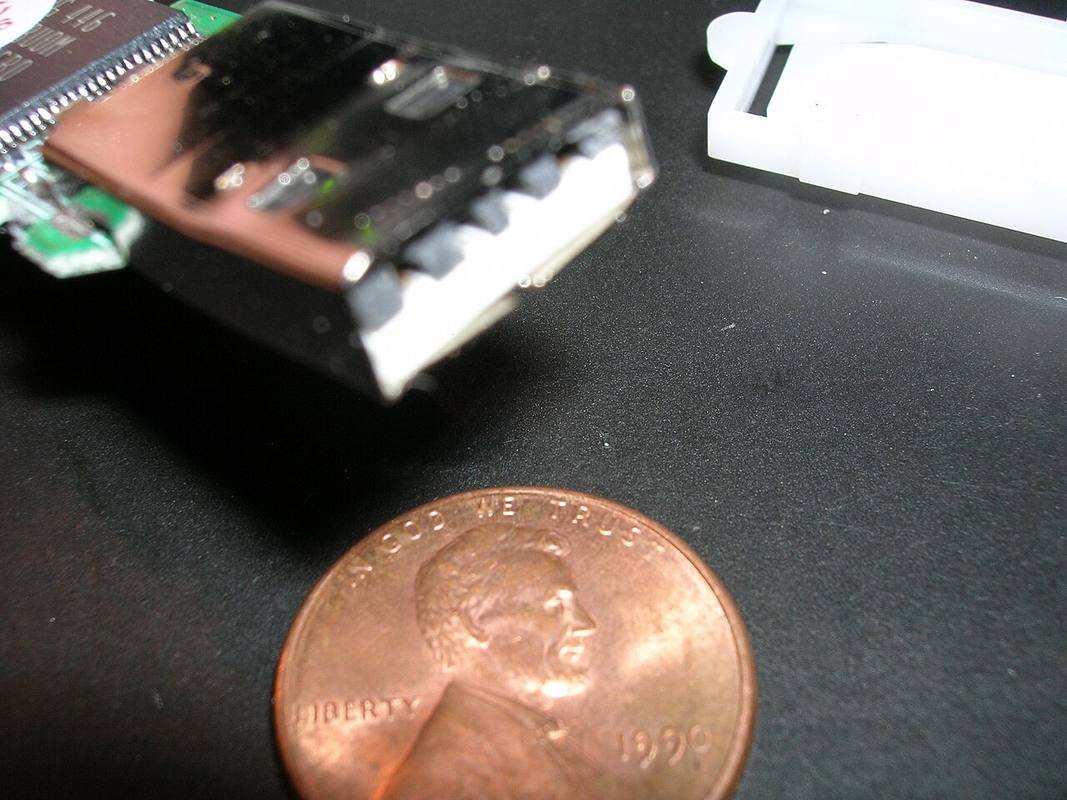
The original plug carried four contacts: a pair for power, at a low voltage, and a pair for data. The power pair could run a mouse or charge a small player. The data pair carried the actual files, in both directions, taking turns on the wire.
The shape of the plug stopped you connecting it the wrong way around, on the old flat connector, and the contacts were arranged so power met power. The newer oval connector can go in either way up. Inside, it has more contacts, so it can carry more kinds of signal, including video on some cables, as well as power.
Four jobs, then more
A cable is not only a cable. A cheap lead may have the power wires and omit or skimp the data wires. It will charge and it will not connect a disk. The connector looks the same. The missing wires are the reason a lead works in one role and fails in the other.
Higher power has to be negotiated. A laptop does not shove a large current down a lead that might be a pair of headphones. The two ends exchange a brief request, using the data contacts or a dedicated one, and they agree a voltage and a limit. Only then does the supply rise. This is why a charger and a phone from different years may fall back to a slow, cautious charge.
Agreeing the current
The limit protects the cable. A thin lead has a limit, written nowhere you can see, on how much current it can carry before it warms. The negotiation is how the devices stay inside what the lead, and the battery, can take.
Unplug by the plug, not the lead. The wires inside are fine strands, and pulling the lead is how they break while the outside still looks whole. A connector that wobbles has already lost a pin’s spring.
Four jobs, then more
A USB cable has wires for power and wires for data. The connector is a promise about which pin does which, and the two devices agree before a large current flows. The original plug carried four contacts: a pair for power, at a low voltage, and a pair for data. The power pair could run a mouse or charge a small player.
Put those two statements side by side. The first sets the condition. The second says what happens once that condition is met. How a USB plug carries power and data needs both. Drop the first and the second has nothing to explain. Drop the second and the first is only the scene.
Agreeing the current
The power pair could run a mouse or charge a small player. The data pair carried the actual files, in both directions, taking turns on the wire.
The order is the explanation. What the first sentence names has to be there before the result in the second sentence can show up. The piece does not ask you to accept the result first and hunt for a cause afterwards.
A check you can make
The data pair carried the actual files, in both directions, taking turns on the wire. The shape of the plug stopped you connecting it the wrong way around, on the old flat connector, and the contacts were arranged so power met power.
A fair check is sequential. Confirm the first statement. Then see whether the second is the result of it, rather than a separate fact parked in the same piece. If the result shows up without the condition, this account does not cover what you are looking at.
The limit of the claim
The shape of the plug stopped you connecting it the wrong way around, on the old flat connector, and the contacts were arranged so power met power. The newer oval connector can go in either way up.
The two statements do different jobs. One says what is there, what it is made of, or what acts on it. The other says the change that follows. The title names the change. It is not an inventory of parts.
The same steps, in order
The newer oval connector can go in either way up. Inside, it has more contacts, so it can carry more kinds of signal, including video on some cables, as well as power.
Nothing in the second statement cancels the first. It carries the first forward or marks the limit of it. Remember only the result, and the cause goes missing. Remember only the cause, and you will not know what the piece says happens next.
Why the order matters
Inside, it has more contacts, so it can carry more kinds of signal, including video on some cables, as well as power. A cable is not only a cable.
Read them as one path. Start at the first full stop and do not skip to the outcome. The words between the two statements are the mechanism. The title is the name of that path, not a second claim.
Condition, then outcome
A cable is not only a cable. A cheap lead may have the power wires and omit or skimp the data wires.
The first statement can be true and still not finish the job. The second statement is the job finishing. Hold both, and the paragraph above stops being a list. It becomes the reason the title is worded as it is.
What the title is naming
A cheap lead may have the power wires and omit or skimp the data wires. It will charge and it will not connect a disk.
If you wanted a shorter version, it would be those two sentences and nothing else. Everything added around them is there so the dependence is obvious: the second does not happen unless the first has happened.
What has to come first
It will charge and it will not connect a disk. The connector looks the same.
Put those two statements side by side. The first sets the condition. The second says what happens once that condition is met. How a USB plug carries power and data needs both. Drop the first and the second has nothing to explain. Drop the second and the first is only the scene.
The result that follows
The connector looks the same. The missing wires are the reason a lead works in one role and fails in the other.
The order is the explanation. What the first sentence names has to be there before the result in the second sentence can show up. The piece does not ask you to accept the result first and hunt for a cause afterwards.
A check you can make
The missing wires are the reason a lead works in one role and fails in the other. Higher power has to be negotiated.
A fair check is sequential. Confirm the first statement. Then see whether the second is the result of it, rather than a separate fact parked in the same piece. If the result shows up without the condition, this account does not cover what you are looking at.
The limit of the claim
Higher power has to be negotiated. A laptop does not shove a large current down a lead that might be a pair of headphones.
The two statements do different jobs. One says what is there, what it is made of, or what acts on it. The other says the change that follows. The title names the change. It is not an inventory of parts.
The same steps, in order
A laptop does not shove a large current down a lead that might be a pair of headphones. The two ends exchange a brief request, using the data contacts or a dedicated one, and they agree a voltage and a limit.
Nothing in the second statement cancels the first. It carries the first forward or marks the limit of it. Remember only the result, and the cause goes missing. Remember only the cause, and you will not know what the piece says happens next.
Why the order matters
The two ends exchange a brief request, using the data contacts or a dedicated one, and they agree a voltage and a limit. Only then does the supply rise.
Read them as one path. Start at the first full stop and do not skip to the outcome. The words between the two statements are the mechanism. The title is the name of that path, not a second claim.
Condition, then outcome
Only then does the supply rise. This is why a charger and a phone from different years may fall back to a slow, cautious charge.
The first statement can be true and still not finish the job. The second statement is the job finishing. Hold both, and the paragraph above stops being a list. It becomes the reason the title is worded as it is.
What the title is naming
This is why a charger and a phone from different years may fall back to a slow, cautious charge. The limit protects the cable.
If you wanted a shorter version, it would be those two sentences and nothing else. Everything added around them is there so the dependence is obvious: the second does not happen unless the first has happened.
What has to come first
The limit protects the cable. A thin lead has a limit, written nowhere you can see, on how much current it can carry before it warms.
Put those two statements side by side. The first sets the condition. The second says what happens once that condition is met. How a USB plug carries power and data needs both. Drop the first and the second has nothing to explain. Drop the second and the first is only the scene.
The result that follows
A thin lead has a limit, written nowhere you can see, on how much current it can carry before it warms. The negotiation is how the devices stay inside what the lead, and the battery, can take.
The order is the explanation. What the first sentence names has to be there before the result in the second sentence can show up. The piece does not ask you to accept the result first and hunt for a cause afterwards.
A check you can make
The negotiation is how the devices stay inside what the lead, and the battery, can take. Unplug by the plug, not the lead.
A fair check is sequential. Confirm the first statement. Then see whether the second is the result of it, rather than a separate fact parked in the same piece. If the result shows up without the condition, this account does not cover what you are looking at.
The limit of the claim
Unplug by the plug, not the lead. The wires inside are fine strands, and pulling the lead is how they break while the outside still looks whole.
The two statements do different jobs. One says what is there, what it is made of, or what acts on it. The other says the change that follows. The title names the change. It is not an inventory of parts.
The same steps, in order
The wires inside are fine strands, and pulling the lead is how they break while the outside still looks whole. A connector that wobbles has already lost a pin’s spring.
Nothing in the second statement cancels the first. It carries the first forward or marks the limit of it. Remember only the result, and the cause goes missing. Remember only the cause, and you will not know what the piece says happens next.
Why the order matters
The original plug carried four contacts: a pair for power, at a low voltage, and a pair for data. The power pair could run a mouse or charge a small player.
Read them as one path. Start at the first full stop and do not skip to the outcome. The words between the two statements are the mechanism. The title is the name of that path, not a second claim.
Condition, then outcome
The power pair could run a mouse or charge a small player. The data pair carried the actual files, in both directions, taking turns on the wire.
The first statement can be true and still not finish the job. The second statement is the job finishing. Hold both, and the paragraph above stops being a list. It becomes the reason the title is worded as it is.
What the title is naming
The data pair carried the actual files, in both directions, taking turns on the wire. The shape of the plug stopped you connecting it the wrong way around, on the old flat connector, and the contacts were arranged so power met power.
If you wanted a shorter version, it would be those two sentences and nothing else. Everything added around them is there so the dependence is obvious: the second does not happen unless the first has happened.
What has to come first
The shape of the plug stopped you connecting it the wrong way around, on the old flat connector, and the contacts were arranged so power met power. The newer oval connector can go in either way up.
Put those two statements side by side. The first sets the condition. The second says what happens once that condition is met. How a USB plug carries power and data needs both. Drop the first and the second has nothing to explain. Drop the second and the first is only the scene.
No correction has been appended to this story. If a line is wrong, tell the newsroom.