
How Wi-Fi sends data
Wi-Fi carries data by radio between a device and an access point. The air is shared, so the devices take turns.
Listen is a Plus feature Upgrade
Listening is not supported in this browser.
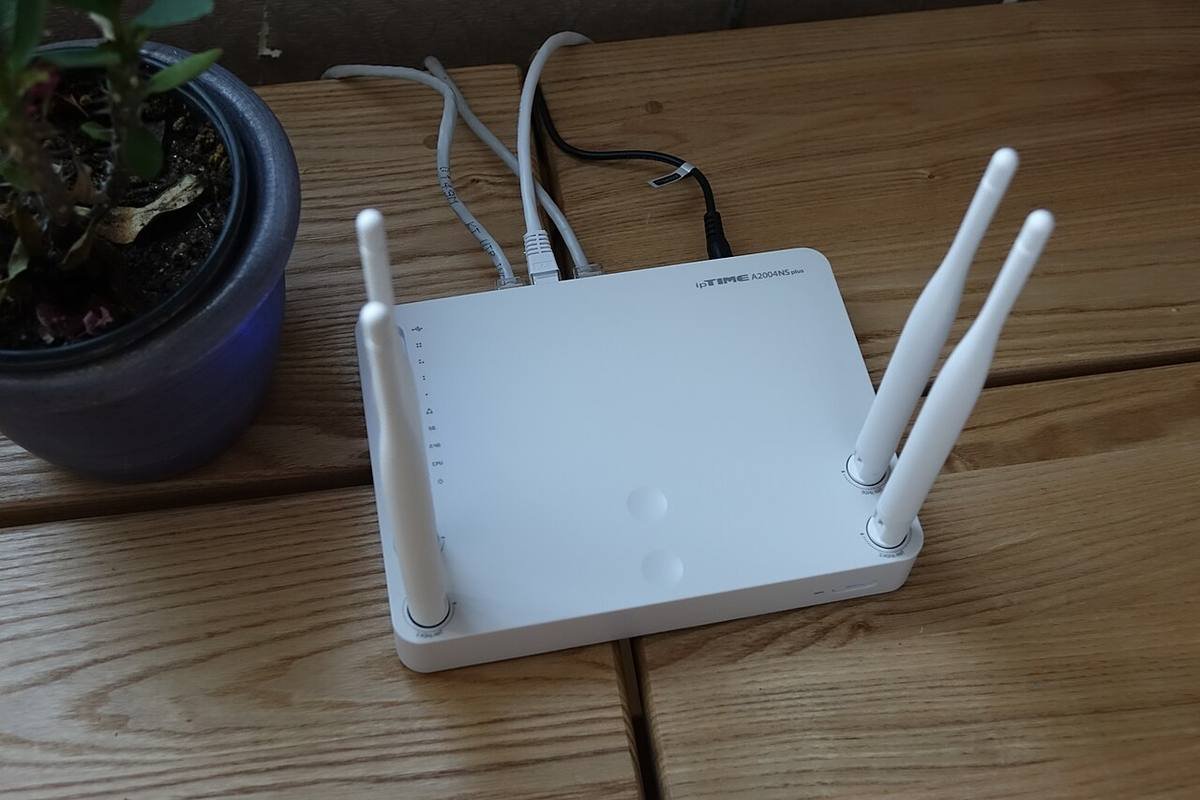
An access point, often the box people call a router, sends and receives radio on frequencies set aside for this use. A laptop or a phone has a radio of its own. Between them, data is chopped into small frames and sent as a patterned wave. Nothing travels through the air but the wave.
The band is shared with other networks, with microwave ovens in one of the bands, and with the neighbour’s box. Devices listen before they speak, and they retry if two of them spoke at once and garbled the frame. This is why a crowded block of flats feels slower. The air is busy, not necessarily the cable to the street.
A radio in the room
Walls reduce the signal. Brick and metal do more than plaster. The little icon of strength is a report on that path, not on the speed of the wider internet. A strong signal to a slow line is still a slow line. A weak signal to a fast line spends its time resending frames that arrived corrupted.
The name you see in the list is the network’s announced name. The password is the key that lets the device join the encryption. Without it, the radio frames are still in the room, but they are scrambled. Hiding the name is not the same as locking it. The lock is the key.
Turns, names, and passwords
Versions of Wi-Fi have followed one another, each carrying more data in the same kind of channel, or using a wider channel. A new phone and an old box will agree on an older version. The speed you get is the one both ends share.
The cable, or the fibre, that leaves the building is a different link. Wi-Fi only covers the last few metres, from the box to your hand. If that last hop is the weak one, standing closer to the access point tells you so at once.
A radio in the room
Wi-Fi carries data by radio between a device and an access point. The air is shared, so the devices take turns. An access point, often the box people call a router, sends and receives radio on frequencies set aside for this use. A laptop or a phone has a radio of its own.
Put those two statements side by side. The first sets the condition. The second says what happens once that condition is met. How Wi-Fi sends data needs both. Drop the first and the second has nothing to explain. Drop the second and the first is only the scene.
Turns, names, and passwords
A laptop or a phone has a radio of its own. Between them, data is chopped into small frames and sent as a patterned wave.
The order is the explanation. What the first sentence names has to be there before the result in the second sentence can show up. The piece does not ask you to accept the result first and hunt for a cause afterwards.
A check you can make
Between them, data is chopped into small frames and sent as a patterned wave. Nothing travels through the air but the wave.
A fair check is sequential. Confirm the first statement. Then see whether the second is the result of it, rather than a separate fact parked in the same piece. If the result shows up without the condition, this account does not cover what you are looking at.
The limit of the claim
Nothing travels through the air but the wave. The band is shared with other networks, with microwave ovens in one of the bands, and with the neighbour’s box.
The two statements do different jobs. One says what is there, what it is made of, or what acts on it. The other says the change that follows. The title names the change. It is not an inventory of parts.
The same steps, in order
The band is shared with other networks, with microwave ovens in one of the bands, and with the neighbour’s box. Devices listen before they speak, and they retry if two of them spoke at once and garbled the frame.
Nothing in the second statement cancels the first. It carries the first forward or marks the limit of it. Remember only the result, and the cause goes missing. Remember only the cause, and you will not know what the piece says happens next.
Why the order matters
Devices listen before they speak, and they retry if two of them spoke at once and garbled the frame. This is why a crowded block of flats feels slower.
Read them as one path. Start at the first full stop and do not skip to the outcome. The words between the two statements are the mechanism. The title is the name of that path, not a second claim.
Condition, then outcome
This is why a crowded block of flats feels slower. The air is busy, not necessarily the cable to the street.
The first statement can be true and still not finish the job. The second statement is the job finishing. Hold both, and the paragraph above stops being a list. It becomes the reason the title is worded as it is.
What the title is naming
The air is busy, not necessarily the cable to the street. Walls reduce the signal.
If you wanted a shorter version, it would be those two sentences and nothing else. Everything added around them is there so the dependence is obvious: the second does not happen unless the first has happened.
What has to come first
Walls reduce the signal. Brick and metal do more than plaster.
Put those two statements side by side. The first sets the condition. The second says what happens once that condition is met. How Wi-Fi sends data needs both. Drop the first and the second has nothing to explain. Drop the second and the first is only the scene.
The result that follows
Brick and metal do more than plaster. The little icon of strength is a report on that path, not on the speed of the wider internet.
The order is the explanation. What the first sentence names has to be there before the result in the second sentence can show up. The piece does not ask you to accept the result first and hunt for a cause afterwards.
A check you can make
The little icon of strength is a report on that path, not on the speed of the wider internet. A strong signal to a slow line is still a slow line.
A fair check is sequential. Confirm the first statement. Then see whether the second is the result of it, rather than a separate fact parked in the same piece. If the result shows up without the condition, this account does not cover what you are looking at.
The limit of the claim
A strong signal to a slow line is still a slow line. A weak signal to a fast line spends its time resending frames that arrived corrupted.
The two statements do different jobs. One says what is there, what it is made of, or what acts on it. The other says the change that follows. The title names the change. It is not an inventory of parts.
The same steps, in order
A weak signal to a fast line spends its time resending frames that arrived corrupted. The name you see in the list is the network’s announced name.
Nothing in the second statement cancels the first. It carries the first forward or marks the limit of it. Remember only the result, and the cause goes missing. Remember only the cause, and you will not know what the piece says happens next.
Why the order matters
The name you see in the list is the network’s announced name. The password is the key that lets the device join the encryption.
Read them as one path. Start at the first full stop and do not skip to the outcome. The words between the two statements are the mechanism. The title is the name of that path, not a second claim.
Condition, then outcome
The password is the key that lets the device join the encryption. Without it, the radio frames are still in the room, but they are scrambled.
The first statement can be true and still not finish the job. The second statement is the job finishing. Hold both, and the paragraph above stops being a list. It becomes the reason the title is worded as it is.
What the title is naming
Without it, the radio frames are still in the room, but they are scrambled. Hiding the name is not the same as locking it.
If you wanted a shorter version, it would be those two sentences and nothing else. Everything added around them is there so the dependence is obvious: the second does not happen unless the first has happened.
What has to come first
Hiding the name is not the same as locking it. The lock is the key.
Put those two statements side by side. The first sets the condition. The second says what happens once that condition is met. How Wi-Fi sends data needs both. Drop the first and the second has nothing to explain. Drop the second and the first is only the scene.
The result that follows
The lock is the key. Versions of Wi-Fi have followed one another, each carrying more data in the same kind of channel, or using a wider channel.
The order is the explanation. What the first sentence names has to be there before the result in the second sentence can show up. The piece does not ask you to accept the result first and hunt for a cause afterwards.
A check you can make
Versions of Wi-Fi have followed one another, each carrying more data in the same kind of channel, or using a wider channel. A new phone and an old box will agree on an older version.
A fair check is sequential. Confirm the first statement. Then see whether the second is the result of it, rather than a separate fact parked in the same piece. If the result shows up without the condition, this account does not cover what you are looking at.
The limit of the claim
A new phone and an old box will agree on an older version. The speed you get is the one both ends share.
The two statements do different jobs. One says what is there, what it is made of, or what acts on it. The other says the change that follows. The title names the change. It is not an inventory of parts.
The same steps, in order
The speed you get is the one both ends share. The cable, or the fibre, that leaves the building is a different link.
Nothing in the second statement cancels the first. It carries the first forward or marks the limit of it. Remember only the result, and the cause goes missing. Remember only the cause, and you will not know what the piece says happens next.
Why the order matters
The cable, or the fibre, that leaves the building is a different link. Wi-Fi only covers the last few metres, from the box to your hand.
Read them as one path. Start at the first full stop and do not skip to the outcome. The words between the two statements are the mechanism. The title is the name of that path, not a second claim.
Condition, then outcome
Wi-Fi only covers the last few metres, from the box to your hand. If that last hop is the weak one, standing closer to the access point tells you so at once.
The first statement can be true and still not finish the job. The second statement is the job finishing. Hold both, and the paragraph above stops being a list. It becomes the reason the title is worded as it is.
What the title is naming
An access point, often the box people call a router, sends and receives radio on frequencies set aside for this use. A laptop or a phone has a radio of its own.
If you wanted a shorter version, it would be those two sentences and nothing else. Everything added around them is there so the dependence is obvious: the second does not happen unless the first has happened.
What has to come first
A laptop or a phone has a radio of its own. Between them, data is chopped into small frames and sent as a patterned wave.
Put those two statements side by side. The first sets the condition. The second says what happens once that condition is met. How Wi-Fi sends data needs both. Drop the first and the second has nothing to explain. Drop the second and the first is only the scene.
The result that follows
Between them, data is chopped into small frames and sent as a patterned wave. Nothing travels through the air but the wave.
The order is the explanation. What the first sentence names has to be there before the result in the second sentence can show up. The piece does not ask you to accept the result first and hunt for a cause afterwards.
A check you can make
Nothing travels through the air but the wave. The band is shared with other networks, with microwave ovens in one of the bands, and with the neighbour’s box.
A fair check is sequential. Confirm the first statement. Then see whether the second is the result of it, rather than a separate fact parked in the same piece. If the result shows up without the condition, this account does not cover what you are looking at.
The limit of the claim
The band is shared with other networks, with microwave ovens in one of the bands, and with the neighbour’s box. Devices listen before they speak, and they retry if two of them spoke at once and garbled the frame.
The two statements do different jobs. One says what is there, what it is made of, or what acts on it. The other says the change that follows. The title names the change. It is not an inventory of parts.
The same steps, in order
Devices listen before they speak, and they retry if two of them spoke at once and garbled the frame. This is why a crowded block of flats feels slower.
Nothing in the second statement cancels the first. It carries the first forward or marks the limit of it. Remember only the result, and the cause goes missing. Remember only the cause, and you will not know what the piece says happens next.
No correction has been appended to this story. If a line is wrong, tell the newsroom.