
What cloud storage means
Cloud storage means your files sit on somebody else’s computer, and you fetch them over the internet. The cloud is a building with disks and a power supply.
Listen is a Plus feature Upgrade
Listening is not supported in this browser.
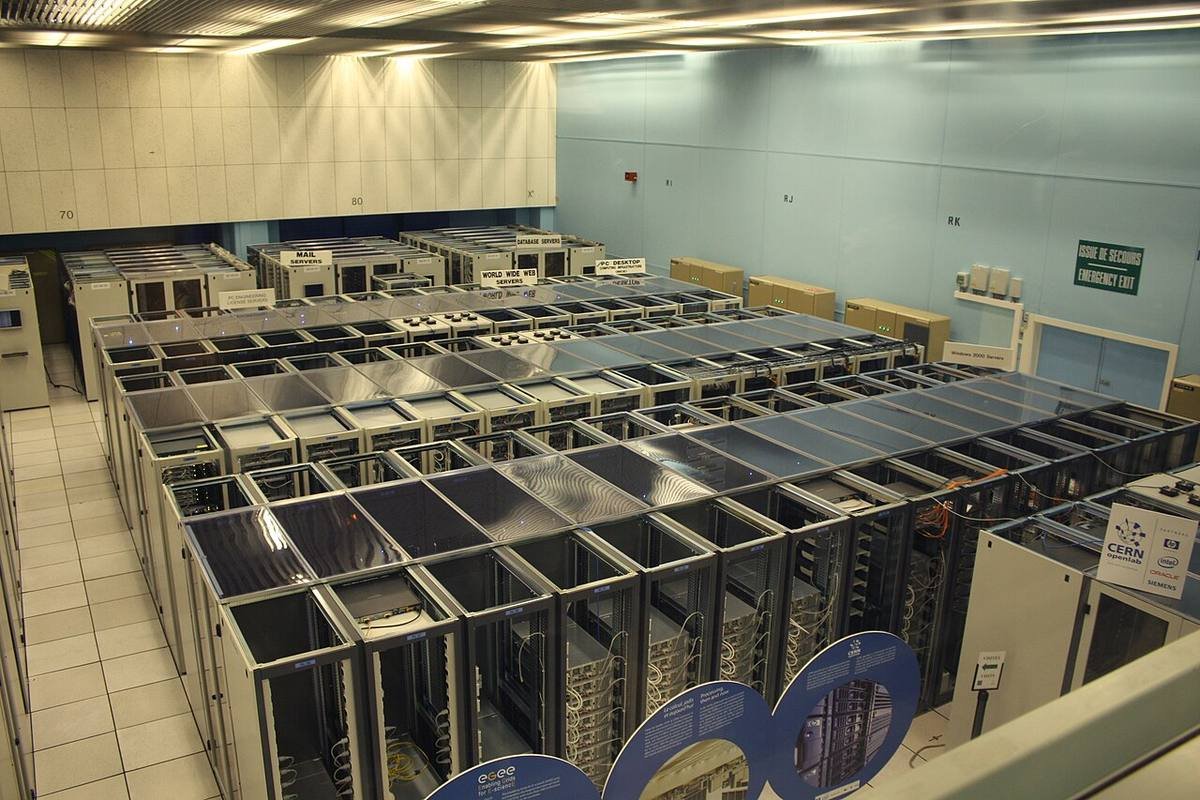
A file you save to the cloud is copied from your device to a server in a data centre. The centre is an ordinary place: racks of machines, disks, cooling, and a connection to the network. The word cloud describes the arrangement, not a location in the sky.
The provider usually keeps more than one copy, on more than one disk, so that a single failure does not lose the file. That is the real service. Your own laptop keeps one copy, and a theft or a spill can take it. The centre’s job is to keep the bytes after your device has gone.
Someone else’s disks
You reach the file by logging in. The password, and any second check, are the lock. Anyone with that lock can fetch the file from anywhere. That is the convenience and the risk in one fact. A shared login is a shared set of files.
If the network is down, the file is not here. Some apps keep a local copy and sync it later. Until they do, the version in the centre and the version on the laptop can differ. Closing the lid at the wrong moment is how a paragraph goes missing. Waiting for the sync to finish is the habit that matches the design.
Copies, access, and the catch
The provider can read the files unless they are encrypted with a key only you hold. Many services encrypt the disks against a thief in the building and still hold the key themselves, so they can show you the file in a browser. Read the difference if the contents are private. The lock is only as private as the key.
Leaving a provider means downloading the files first. There is no box to collect. The bytes are theirs to delete when the account ends. A cloud cupboard is rented, not owned.
Someone else’s disks
Cloud storage means your files sit on somebody else’s computer, and you fetch them over the internet. The cloud is a building with disks and a power supply. A file you save to the cloud is copied from your device to a server in a data centre. The centre is an ordinary place: racks of machines, disks, cooling, and a connection to the network.
Put those two statements side by side. The first sets the condition. The second says what happens once that condition is met. What cloud storage means needs both. Drop the first and the second has nothing to explain. Drop the second and the first is only the scene.
Copies, access, and the catch
The centre is an ordinary place: racks of machines, disks, cooling, and a connection to the network. The word cloud describes the arrangement, not a location in the sky.
The order is the explanation. What the first sentence names has to be there before the result in the second sentence can show up. The piece does not ask you to accept the result first and hunt for a cause afterwards.
A check you can make
The word cloud describes the arrangement, not a location in the sky. The provider usually keeps more than one copy, on more than one disk, so that a single failure does not lose the file.
A fair check is sequential. Confirm the first statement. Then see whether the second is the result of it, rather than a separate fact parked in the same piece. If the result shows up without the condition, this account does not cover what you are looking at.
The limit of the claim
The provider usually keeps more than one copy, on more than one disk, so that a single failure does not lose the file. That is the real service.
The two statements do different jobs. One says what is there, what it is made of, or what acts on it. The other says the change that follows. The title names the change. It is not an inventory of parts.
The same steps, in order
That is the real service. Your own laptop keeps one copy, and a theft or a spill can take it.
Nothing in the second statement cancels the first. It carries the first forward or marks the limit of it. Remember only the result, and the cause goes missing. Remember only the cause, and you will not know what the piece says happens next.
Why the order matters
Your own laptop keeps one copy, and a theft or a spill can take it. The centre’s job is to keep the bytes after your device has gone.
Read them as one path. Start at the first full stop and do not skip to the outcome. The words between the two statements are the mechanism. The title is the name of that path, not a second claim.
Condition, then outcome
The centre’s job is to keep the bytes after your device has gone. You reach the file by logging in.
The first statement can be true and still not finish the job. The second statement is the job finishing. Hold both, and the paragraph above stops being a list. It becomes the reason the title is worded as it is.
What the title is naming
You reach the file by logging in. The password, and any second check, are the lock.
If you wanted a shorter version, it would be those two sentences and nothing else. Everything added around them is there so the dependence is obvious: the second does not happen unless the first has happened.
What has to come first
The password, and any second check, are the lock. Anyone with that lock can fetch the file from anywhere.
Put those two statements side by side. The first sets the condition. The second says what happens once that condition is met. What cloud storage means needs both. Drop the first and the second has nothing to explain. Drop the second and the first is only the scene.
The result that follows
Anyone with that lock can fetch the file from anywhere. That is the convenience and the risk in one fact.
The order is the explanation. What the first sentence names has to be there before the result in the second sentence can show up. The piece does not ask you to accept the result first and hunt for a cause afterwards.
A check you can make
That is the convenience and the risk in one fact. A shared login is a shared set of files.
A fair check is sequential. Confirm the first statement. Then see whether the second is the result of it, rather than a separate fact parked in the same piece. If the result shows up without the condition, this account does not cover what you are looking at.
The limit of the claim
A shared login is a shared set of files. If the network is down, the file is not here.
The two statements do different jobs. One says what is there, what it is made of, or what acts on it. The other says the change that follows. The title names the change. It is not an inventory of parts.
The same steps, in order
If the network is down, the file is not here. Some apps keep a local copy and sync it later.
Nothing in the second statement cancels the first. It carries the first forward or marks the limit of it. Remember only the result, and the cause goes missing. Remember only the cause, and you will not know what the piece says happens next.
Why the order matters
Some apps keep a local copy and sync it later. Until they do, the version in the centre and the version on the laptop can differ.
Read them as one path. Start at the first full stop and do not skip to the outcome. The words between the two statements are the mechanism. The title is the name of that path, not a second claim.
Condition, then outcome
Until they do, the version in the centre and the version on the laptop can differ. Closing the lid at the wrong moment is how a paragraph goes missing.
The first statement can be true and still not finish the job. The second statement is the job finishing. Hold both, and the paragraph above stops being a list. It becomes the reason the title is worded as it is.
What the title is naming
Closing the lid at the wrong moment is how a paragraph goes missing. Waiting for the sync to finish is the habit that matches the design.
If you wanted a shorter version, it would be those two sentences and nothing else. Everything added around them is there so the dependence is obvious: the second does not happen unless the first has happened.
What has to come first
Waiting for the sync to finish is the habit that matches the design. The provider can read the files unless they are encrypted with a key only you hold.
Put those two statements side by side. The first sets the condition. The second says what happens once that condition is met. What cloud storage means needs both. Drop the first and the second has nothing to explain. Drop the second and the first is only the scene.
The result that follows
The provider can read the files unless they are encrypted with a key only you hold. Many services encrypt the disks against a thief in the building and still hold the key themselves, so they can show you the file in a browser.
The order is the explanation. What the first sentence names has to be there before the result in the second sentence can show up. The piece does not ask you to accept the result first and hunt for a cause afterwards.
A check you can make
Many services encrypt the disks against a thief in the building and still hold the key themselves, so they can show you the file in a browser. Read the difference if the contents are private.
A fair check is sequential. Confirm the first statement. Then see whether the second is the result of it, rather than a separate fact parked in the same piece. If the result shows up without the condition, this account does not cover what you are looking at.
The limit of the claim
Read the difference if the contents are private. The lock is only as private as the key.
The two statements do different jobs. One says what is there, what it is made of, or what acts on it. The other says the change that follows. The title names the change. It is not an inventory of parts.
The same steps, in order
The lock is only as private as the key. Leaving a provider means downloading the files first.
Nothing in the second statement cancels the first. It carries the first forward or marks the limit of it. Remember only the result, and the cause goes missing. Remember only the cause, and you will not know what the piece says happens next.
Why the order matters
Leaving a provider means downloading the files first. There is no box to collect.
Read them as one path. Start at the first full stop and do not skip to the outcome. The words between the two statements are the mechanism. The title is the name of that path, not a second claim.
Condition, then outcome
There is no box to collect. The bytes are theirs to delete when the account ends.
The first statement can be true and still not finish the job. The second statement is the job finishing. Hold both, and the paragraph above stops being a list. It becomes the reason the title is worded as it is.
What the title is naming
The bytes are theirs to delete when the account ends. A cloud cupboard is rented, not owned.
If you wanted a shorter version, it would be those two sentences and nothing else. Everything added around them is there so the dependence is obvious: the second does not happen unless the first has happened.
No correction has been appended to this story. If a line is wrong, tell the newsroom.