
How a cable car climbs
A cable car hangs from a steel rope. A motor in a station drives the rope, and the cabins go with it.
Listen is a Plus feature Upgrade
Listening is not supported in this browser.
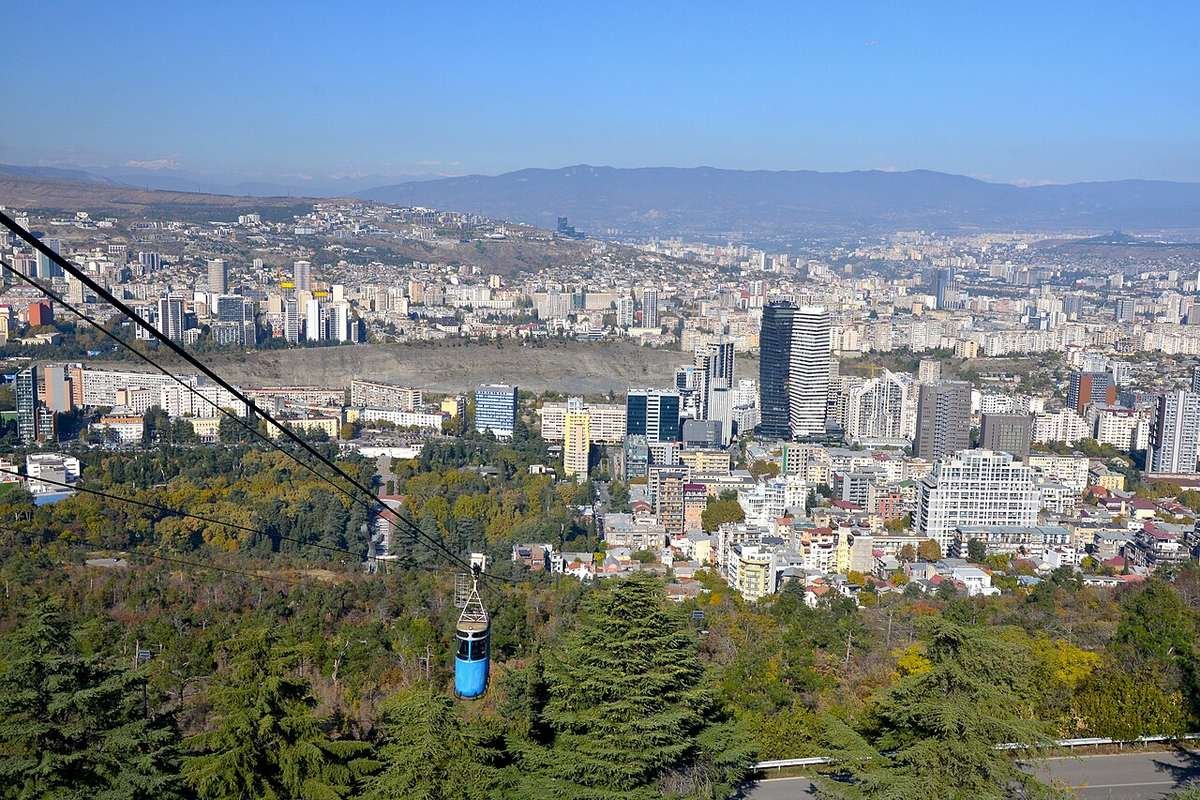
The cabin of a classic aerial cable car does not have an engine. It is clamped to a haul rope, a steel cable that runs in a loop between the lower station and the upper station. Turn the loop and both cabins move.
An electric motor and a drive wheel, called a bullwheel, sit in one station. The motor turns the wheel, the wheel grips the rope, and the rope moves. Brakes act on the same wheel so the system can be stopped.
The haul rope
Many alpine cars use two cabins on one rope, leaving at the same time. As one climbs, the other descends. Their weights partly balance, so the motor mainly lifts the difference and overcomes friction.
Towers along the route hold the rope up on sheaves, grooved wheels. The rope bends over the sheaves. The cabin passes the tower on the clamp. Guide ropes or a track rope, on some designs, stop the cabin swinging too far.
Stations and towers
Gondolas use a similar rope but the cabins detach in the station, slow down for boarding, and then clamp on again for the line. The rope itself can keep a steady speed.
Wind limits the ride because a hanging cabin is a pendulum. Operators stop the line when the swing would strike a tower or frighten the load. The climb is the rope’s work, not the cabin’s.
The haul rope
A cable car hangs from a steel rope. A motor in a station drives the rope, and the cabins go with it. The cabin of a classic aerial cable car does not have an engine. It is clamped to a haul rope, a steel cable that runs in a loop between the lower station and the upper station.
Put those two statements side by side. The first sets the condition. The second says what happens once that condition is met. How a cable car climbs needs both. Drop the first and the second has nothing to explain. Drop the second and the first is only the scene.
Stations and towers
It is clamped to a haul rope, a steel cable that runs in a loop between the lower station and the upper station. Turn the loop and both cabins move.
The order is the explanation. What the first sentence names has to be there before the result in the second sentence can show up. The piece does not ask you to accept the result first and hunt for a cause afterwards.
A check you can make
Turn the loop and both cabins move. An electric motor and a drive wheel, called a bullwheel, sit in one station.
A fair check is sequential. Confirm the first statement. Then see whether the second is the result of it, rather than a separate fact parked in the same piece. If the result shows up without the condition, this account does not cover what you are looking at.
The limit of the claim
An electric motor and a drive wheel, called a bullwheel, sit in one station. The motor turns the wheel, the wheel grips the rope, and the rope moves.
The two statements do different jobs. One says what is there, what it is made of, or what acts on it. The other says the change that follows. The title names the change. It is not an inventory of parts.
The same steps, in order
The motor turns the wheel, the wheel grips the rope, and the rope moves. Brakes act on the same wheel so the system can be stopped.
Nothing in the second statement cancels the first. It carries the first forward or marks the limit of it. Remember only the result, and the cause goes missing. Remember only the cause, and you will not know what the piece says happens next.
Why the order matters
Brakes act on the same wheel so the system can be stopped. Many alpine cars use two cabins on one rope, leaving at the same time.
Read them as one path. Start at the first full stop and do not skip to the outcome. The words between the two statements are the mechanism. The title is the name of that path, not a second claim.
Condition, then outcome
Many alpine cars use two cabins on one rope, leaving at the same time. As one climbs, the other descends.
The first statement can be true and still not finish the job. The second statement is the job finishing. Hold both, and the paragraph above stops being a list. It becomes the reason the title is worded as it is.
What the title is naming
As one climbs, the other descends. Their weights partly balance, so the motor mainly lifts the difference and overcomes friction.
If you wanted a shorter version, it would be those two sentences and nothing else. Everything added around them is there so the dependence is obvious: the second does not happen unless the first has happened.
What has to come first
Their weights partly balance, so the motor mainly lifts the difference and overcomes friction. Towers along the route hold the rope up on sheaves, grooved wheels.
Put those two statements side by side. The first sets the condition. The second says what happens once that condition is met. How a cable car climbs needs both. Drop the first and the second has nothing to explain. Drop the second and the first is only the scene.
No correction has been appended to this story. If a line is wrong, tell the newsroom.