
What jet lag is
Jet lag is the body clock left behind in the time zone you started from. Light is the main signal that moves it.
Listen is a Plus feature Upgrade
Listening is not supported in this browser.
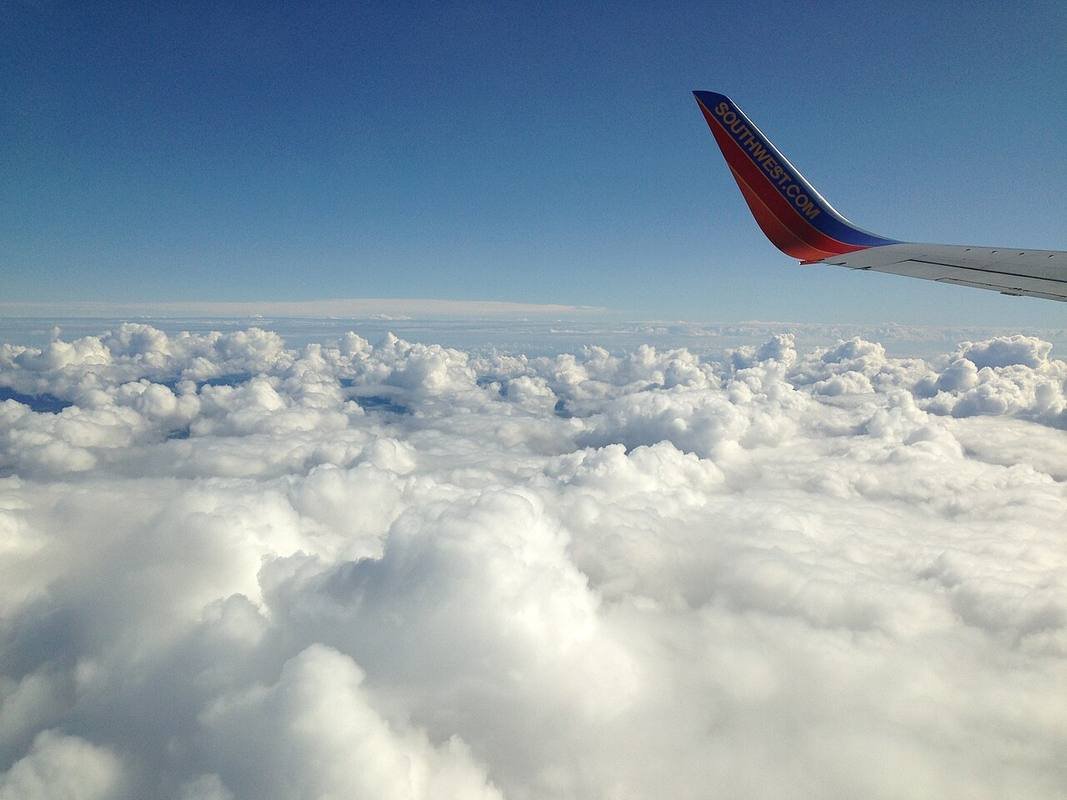
People run on a daily rhythm of sleep, hunger, and body temperature. That rhythm is close to twenty-four hours, and it is set mainly by light falling on the eyes. Cross several time zones in a few hours and the rhythm is still on the old sunrise.
The mismatch is jet lag. You are sleepy when the new city is awake, or awake when it is dark. Meals arrive at hours your stomach did not expect. The feeling is not a mystery illness. It is a clock that has not caught up.
A clock in the brain
Light in the morning of the new place tends to drag the clock earlier. Light late in the evening tends to push it later. That is why a short walk outside, at the local morning, is more useful than a dark hotel room at noon.
Flying east asks the clock to jump forward, which means sleeping sooner than it wants to. Flying west asks it to stay up later, which most clocks do more willingly. A trip of one or two zones is a small shift. A trip across an ocean is several.
East is harder than west for many people
The cabin does not help. Dry air, little movement, and a schedule of meals set by the airline are separate from the zone change, and they add their own fatigue. Drinking water and standing up on a long flight deal with that part, not with the clock.
The clock does move. A day or so per zone is a rough everyday guide, not a promise. Local mealtimes and local daylight do more than staying on the old watch.
A clock in the brain
Jet lag is the body clock left behind in the time zone you started from. Light is the main signal that moves it. People run on a daily rhythm of sleep, hunger, and body temperature. That rhythm is close to twenty-four hours, and it is set mainly by light falling on the eyes.
Put those two statements side by side. The first sets the condition. The second says what happens once that condition is met. What jet lag is needs both. Drop the first and the second has nothing to explain. Drop the second and the first is only the scene.
East is harder than west for many people
That rhythm is close to twenty-four hours, and it is set mainly by light falling on the eyes. Cross several time zones in a few hours and the rhythm is still on the old sunrise.
The order is the explanation. What the first sentence names has to be there before the result in the second sentence can show up. The piece does not ask you to accept the result first and hunt for a cause afterwards.
A check you can make
Cross several time zones in a few hours and the rhythm is still on the old sunrise. The mismatch is jet lag.
A fair check is sequential. Confirm the first statement. Then see whether the second is the result of it, rather than a separate fact parked in the same piece. If the result shows up without the condition, this account does not cover what you are looking at.
The limit of the claim
The mismatch is jet lag. You are sleepy when the new city is awake, or awake when it is dark.
The two statements do different jobs. One says what is there, what it is made of, or what acts on it. The other says the change that follows. The title names the change. It is not an inventory of parts.
The same steps, in order
You are sleepy when the new city is awake, or awake when it is dark. Meals arrive at hours your stomach did not expect.
Nothing in the second statement cancels the first. It carries the first forward or marks the limit of it. Remember only the result, and the cause goes missing. Remember only the cause, and you will not know what the piece says happens next.
Why the order matters
Meals arrive at hours your stomach did not expect. The feeling is not a mystery illness.
Read them as one path. Start at the first full stop and do not skip to the outcome. The words between the two statements are the mechanism. The title is the name of that path, not a second claim.
Condition, then outcome
The feeling is not a mystery illness. It is a clock that has not caught up.
The first statement can be true and still not finish the job. The second statement is the job finishing. Hold both, and the paragraph above stops being a list. It becomes the reason the title is worded as it is.
What the title is naming
It is a clock that has not caught up. Light in the morning of the new place tends to drag the clock earlier.
If you wanted a shorter version, it would be those two sentences and nothing else. Everything added around them is there so the dependence is obvious: the second does not happen unless the first has happened.
What has to come first
Light in the morning of the new place tends to drag the clock earlier. Light late in the evening tends to push it later.
Put those two statements side by side. The first sets the condition. The second says what happens once that condition is met. What jet lag is needs both. Drop the first and the second has nothing to explain. Drop the second and the first is only the scene.
The result that follows
Light late in the evening tends to push it later. That is why a short walk outside, at the local morning, is more useful than a dark hotel room at noon.
The order is the explanation. What the first sentence names has to be there before the result in the second sentence can show up. The piece does not ask you to accept the result first and hunt for a cause afterwards.
A check you can make
That is why a short walk outside, at the local morning, is more useful than a dark hotel room at noon. Flying east asks the clock to jump forward, which means sleeping sooner than it wants to.
A fair check is sequential. Confirm the first statement. Then see whether the second is the result of it, rather than a separate fact parked in the same piece. If the result shows up without the condition, this account does not cover what you are looking at.
The limit of the claim
Flying east asks the clock to jump forward, which means sleeping sooner than it wants to. Flying west asks it to stay up later, which most clocks do more willingly.
The two statements do different jobs. One says what is there, what it is made of, or what acts on it. The other says the change that follows. The title names the change. It is not an inventory of parts.
The same steps, in order
Flying west asks it to stay up later, which most clocks do more willingly. A trip of one or two zones is a small shift.
Nothing in the second statement cancels the first. It carries the first forward or marks the limit of it. Remember only the result, and the cause goes missing. Remember only the cause, and you will not know what the piece says happens next.
Why the order matters
A trip of one or two zones is a small shift. A trip across an ocean is several.
Read them as one path. Start at the first full stop and do not skip to the outcome. The words between the two statements are the mechanism. The title is the name of that path, not a second claim.
Condition, then outcome
A trip across an ocean is several. The cabin does not help.
The first statement can be true and still not finish the job. The second statement is the job finishing. Hold both, and the paragraph above stops being a list. It becomes the reason the title is worded as it is.
No correction has been appended to this story. If a line is wrong, tell the newsroom.