
Why some trains run on the left
In Britain trains keep left, as the roads do. Most of the world runs on the right. The choice is a rule, agreed and then built into the signals.
Listen is a Plus feature Upgrade
Listening is not supported in this browser.
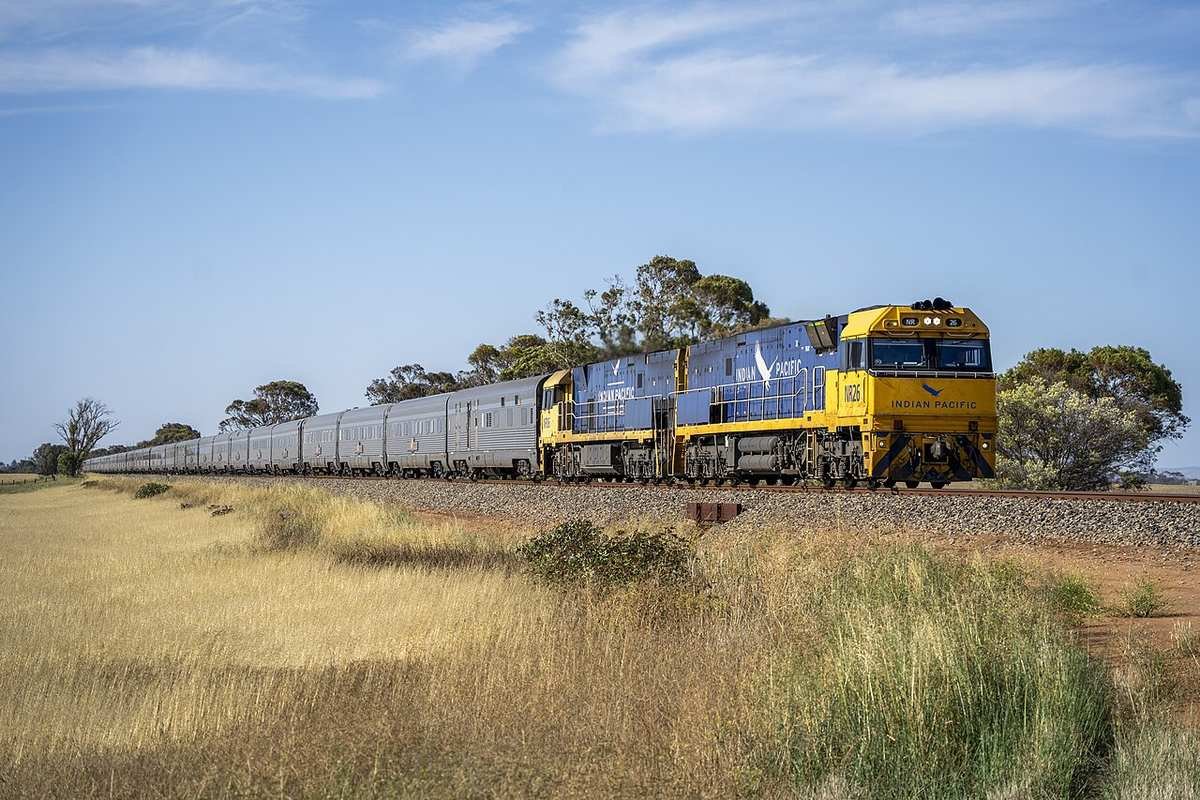
A railway needs one rule about which track is whose. Two trains cannot negotiate. Britain took the left-hand rule that already governed its roads, and laid signals, platforms, and junctions to match.
Most countries did the opposite and standardised on the right. Neither side is a law of physics. Once the signals are planted, changing sides means rebuilding the railway, so the old choice stays.
A rule, then a railway
You can see it from a platform. In Britain the left-hand track, looking in the direction of travel, is the usual one for that direction. Passengers waiting for a train that keeps left stand on the corresponding platform. Doors and footbridges are placed for that habit.
A few lines are signalled for both ways, and single tracks take turns. The left-hand rule is the ordinary case on a double track, not a claim about every siding.
Signals follow the rule
The same split shows up at borders and on ferries that carry trains, or in tunnels shared by two networks. The changeover is a piece of track built for the purpose, not a decision the driver makes on the day.
For a traveller the practical point is local. Stand where the signs say, and do not assume the doors will open on the side they did at home.
A rule, then a railway
In Britain trains keep left, as the roads do. Most of the world runs on the right. The choice is a rule, agreed and then built into the signals. A railway needs one rule about which track is whose. Two trains cannot negotiate.
Put those two statements side by side. The first sets the condition. The second says what happens once that condition is met. Why some trains run on the left needs both. Drop the first and the second has nothing to explain. Drop the second and the first is only the scene.
Signals follow the rule
Two trains cannot negotiate. Britain took the left-hand rule that already governed its roads, and laid signals, platforms, and junctions to match.
The order is the explanation. What the first sentence names has to be there before the result in the second sentence can show up. The piece does not ask you to accept the result first and hunt for a cause afterwards.
A check you can make
Britain took the left-hand rule that already governed its roads, and laid signals, platforms, and junctions to match. Most countries did the opposite and standardised on the right.
A fair check is sequential. Confirm the first statement. Then see whether the second is the result of it, rather than a separate fact parked in the same piece. If the result shows up without the condition, this account does not cover what you are looking at.
The limit of the claim
Most countries did the opposite and standardised on the right. Neither side is a law of physics.
The two statements do different jobs. One says what is there, what it is made of, or what acts on it. The other says the change that follows. The title names the change. It is not an inventory of parts.
The same steps, in order
Neither side is a law of physics. Once the signals are planted, changing sides means rebuilding the railway, so the old choice stays.
Nothing in the second statement cancels the first. It carries the first forward or marks the limit of it. Remember only the result, and the cause goes missing. Remember only the cause, and you will not know what the piece says happens next.
Why the order matters
Once the signals are planted, changing sides means rebuilding the railway, so the old choice stays. You can see it from a platform.
Read them as one path. Start at the first full stop and do not skip to the outcome. The words between the two statements are the mechanism. The title is the name of that path, not a second claim.
No correction has been appended to this story. If a line is wrong, tell the newsroom.